


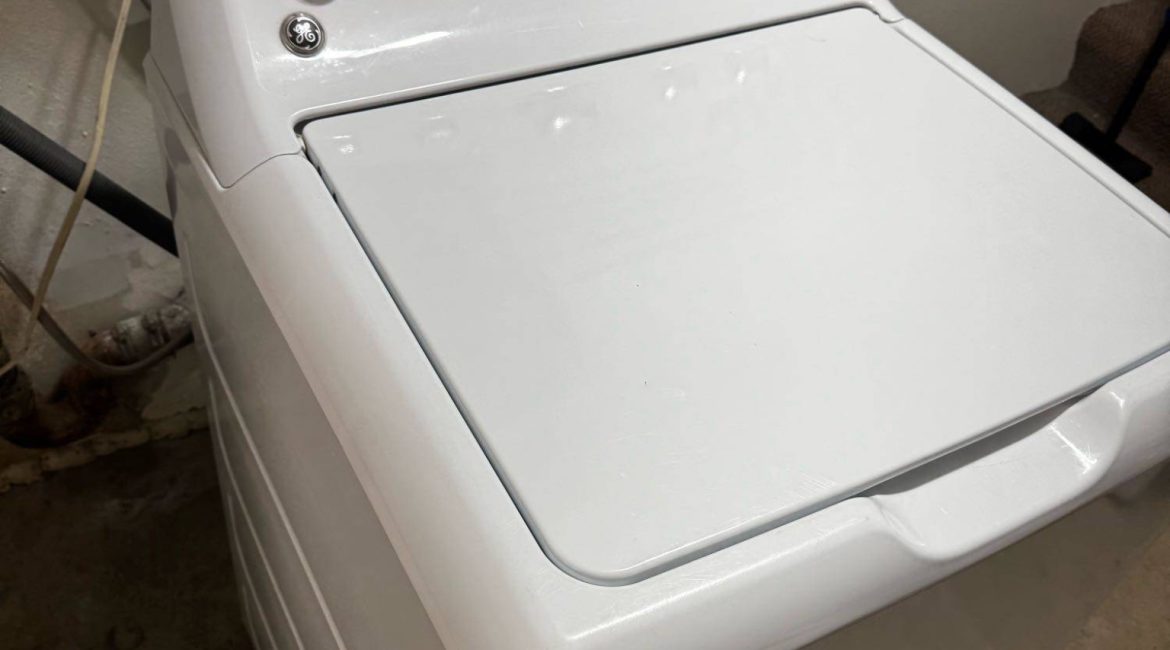
Modern washing machines are marvels of convenience and engineering. With advanced sensors, multiple cycles, and efficient water usage, they promise sparkling results with minimal effort. Yet, many homeowners find themselves puzzled when their washer seems to operate normally — filling with water, agitating, spinning, and draining — but the laundry doesn’t come out as clean as it should. Clothes may feel dingy, detergent residue lingers, or odors persist. Often, the culprit is not something obvious like a broken motor or a clogged drain. It’s a hidden issue: a failure in the washer’s internal circulation system.
Understanding Internal Circulation in Washers
Internal circulation refers to the way water and detergent move inside the washer during a cycle. Even if water enters and exits correctly, poor circulation can prevent detergent from distributing evenly across the load or stop water from reaching every part of the drum effectively. This creates areas where soil and stains remain trapped, leaving clothes underwashed. Many users notice this decline gradually, dismissing it as detergent inefficiency or using “too many clothes per load,” when in reality, the internal circulation mechanism is failing.
The components responsible for circulation include circulation pumps, internal hoses, and valves. Over time, mineral buildup, lint, detergent residues, or even small fabric particles can obstruct these pathways. When circulation is compromised, the washer can still function superficially — it fills, agitates, and drains — but the quality of cleaning suffers. Unlike issues with drainage or water supply, which are noticeable immediately, circulation problems are subtle, creeping into your laundry routine unnoticed until the difference in results becomes apparent.
Signs of a Circulation Problem
Detecting a circulation issue early can save both time and money. Here are common warning signs:
- Laundry Doesn’t Smell Fresh: If clothes retain odors even after a complete cycle, water might not be reaching all parts of the drum effectively.
- Detergent Residue on Clothes: This can indicate that detergent isn’t being dispersed evenly, leaving spots or streaks.
- Uneven Cleaning: Some garments may appear cleaner than others, or heavier fabrics might emerge dirtier.
- Longer Wash Times or Repeated Cycles: Some washers attempt to compensate for poor circulation with extended or additional rinse cycles.
- Persistent Stains: Stains that normally wash out may remain, signaling uneven detergent or water flow.
These signs may seem minor at first, but over time, they can lead to frustration, repeated laundry cycles, higher water and energy bills, and even faster wear on fabrics.
Why Home Remedies Often Fail
Homeowners often attempt quick fixes: using more detergent, running extra rinse cycles, or cleaning the detergent drawer. While these steps may help temporarily, they rarely address the root cause of internal circulation failure. Internal hoses, circulation pumps, or valves may require professional inspection and cleaning. Ignoring these components allows buildup to worsen, potentially leading to pump failure or water leakage.
Professional Inspection and Repair
A qualified technician can diagnose circulation problems by inspecting the washer’s internal pathways, testing pumps and valves, and checking for blockages or worn components. Professional service ensures that:
- Water and detergent reach all areas of the drum evenly.
- Circulation pumps operate efficiently without strain.
- Internal hoses and valves are clear of buildup or debris.
- Washer performance and energy efficiency are restored.
At Oceanside Appliance Service Center, experienced technicians specialize in uncovering these subtle but impactful issues. With precise diagnostics and targeted repair, they can bring your washer back to optimal performance, ensuring laundry comes out clean, fresh, and evenly washed — just as it should.
Preventing Circulation Problems
Once resolved, preventing future circulation issues is possible with regular maintenance:
- Use the recommended amount of detergent. Overuse contributes to buildup.
- Run periodic maintenance cycles with a washer cleaner to remove residue.
- Avoid overloading the drum, which can restrict water movement.
- Inspect and clean the detergent drawer and filters regularly.
By combining careful use with professional maintenance, homeowners can extend the life of their washer and maintain consistent cleaning performance.
A washer that fills and drains normally may seem problem-free, but declining cleaning results often reveal an internal circulation issue that is easy to overlook. Ignoring the signs can lead to frustration, repeated laundry cycles, and higher utility bills. Early professional inspection and repair can restore efficiency, protect fabrics, and save time.
If your laundry isn’t coming out as clean as it should, don’t wait for a complete breakdown. Contact Oceanside Appliance Service Center today for expert service. Their technicians are trained to diagnose and repair even the most subtle washer issues, ensuring your clothes receive the thorough cleaning they deserve.
Contact us
(442) 291-2244
