

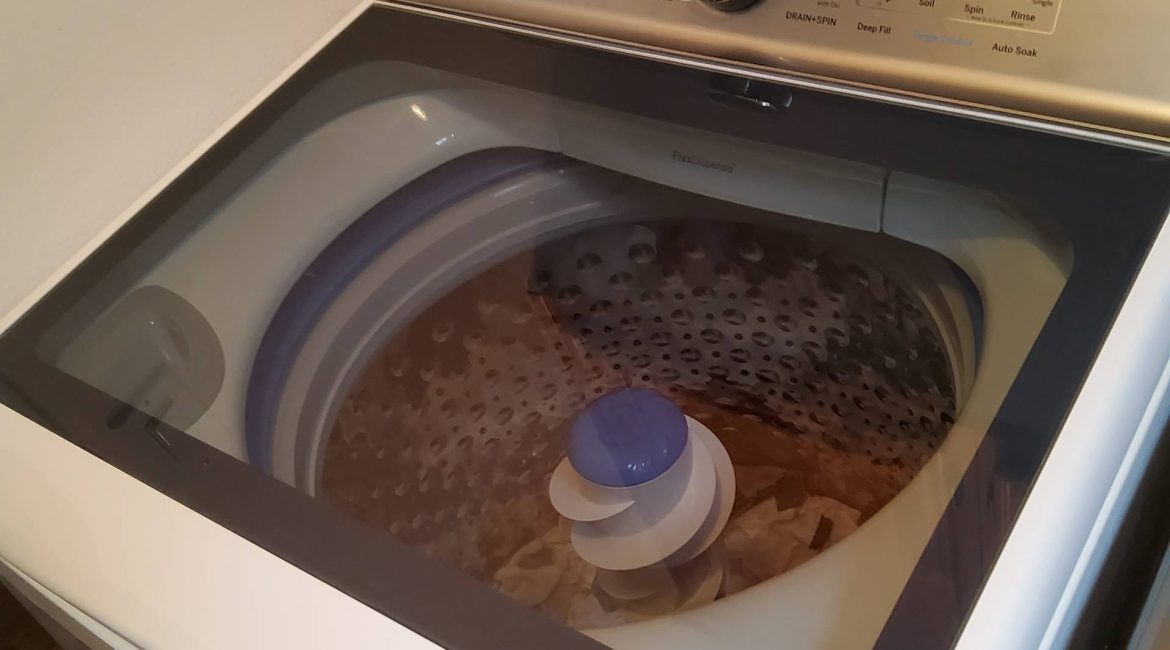
Modern washing machines are designed to run efficiently and quietly, giving the impression that everything is functioning perfectly. Yet, beneath the calm exterior, a hidden danger can develop: overheating. Many homeowners are unaware that their washer’s internal temperature may rise to unsafe levels without triggering any warning lights or error codes. This silent issue can lead to serious damage to both the appliance and your home, making it crucial to understand the causes, risks, and solutions.
Understanding the Hidden Overheating Risk
Overheating in a washing machine often occurs gradually, making it nearly invisible. Unlike visible mechanical failures, temperature spikes inside the motor or electronic components do not always activate alarms. The washer may continue running, completing cycles without a hitch, which lulls users into a false sense of security.
This internal heating can be caused by several factors:
- Faulty Thermostats or Sensors: Modern washers rely on precise temperature sensors to regulate water heating. If a sensor malfunctions, the heating element may stay active longer than necessary, raising temperatures beyond safe limits.
- Blocked or Dirty Water Inlets: When water flow is restricted, the heating element can operate longer to reach the desired temperature. Insufficient cooling from water movement allows the internal parts to overheat.
- Electrical or Motor Issues: Over time, motors can develop resistance or friction that produces excess heat. Wiring or circuit board defects can also contribute to rising internal temperatures without triggering standard safety protocols.
- Overuse or Overloading: Running frequent, heavy loads can stress the washer’s components, increasing heat accumulation. Even high-efficiency machines have limits; exceeding them silently increases the risk of overheating.
Signs to Watch For
Even if your washer doesn’t display an error code, subtle signs may indicate a heating problem:
- A faint burning smell during or after cycles
- Excessively warm water despite normal settings
- Unusual electrical smells near the washer’s back or control panel
- Softening or warping of plastic parts inside the drum
Ignoring these early warnings can lead to costly repairs or even pose a fire hazard in rare cases.
Why Warning Lights May Fail
Manufacturers include thermal cut-offs and warning lights to prevent overheating, but these systems are not foolproof. Sensors may fail, circuits may bypass safety mechanisms, or design limitations may prevent real-time alerts for certain motor or electronic components. Relying solely on visual warnings is not enough to guarantee safe operation.
Preventing Overheating
The good news is that most overheating issues are preventable with proper maintenance and monitoring:
- Routine Professional Checkups: A certified technician can inspect the motor, heating element, sensors, and electrical systems to detect early signs of trouble.
- Avoid Overloading: Stick to the recommended load sizes for your washer, even if it seems capable of handling more.
- Clean Water Inlets and Filters: Regular cleaning ensures proper water flow and prevents the heating element from running excessively.
- Monitor Temperature Changes: If you notice unusually hot water or prolonged heating cycles, stop using the machine and schedule a service visit.
Professional Intervention
Because overheating can be hidden and dangerous, professional inspection is critical. Certified technicians use specialized tools to measure internal temperatures, test heating circuits, and verify sensor accuracy. They can identify potential failures before they escalate into serious problems.
At Oceanside Appliance Service Center, we specialize in diagnosing hidden washer issues, including overheating risks. Our experienced technicians perform thorough inspections, replace faulty components, and ensure your washer runs safely and efficiently. Don’t wait for a visible problem to appear—silent overheating can quietly damage your appliance or pose safety risks.
A washer that runs quietly can still be hiding serious internal problems. Overheating without warning is a risk that many homeowners underestimate. Paying attention to subtle signs, avoiding overloading, and scheduling regular professional maintenance can prevent expensive repairs and ensure your washer operates safely.
If your washing machine seems fine on the outside but may be overheating inside, trust the experts to inspect and repair it promptly. Contact Oceanside Appliance Service Center today to schedule a professional service and safeguard your appliance before a small issue becomes a major problem.
Contact us
