


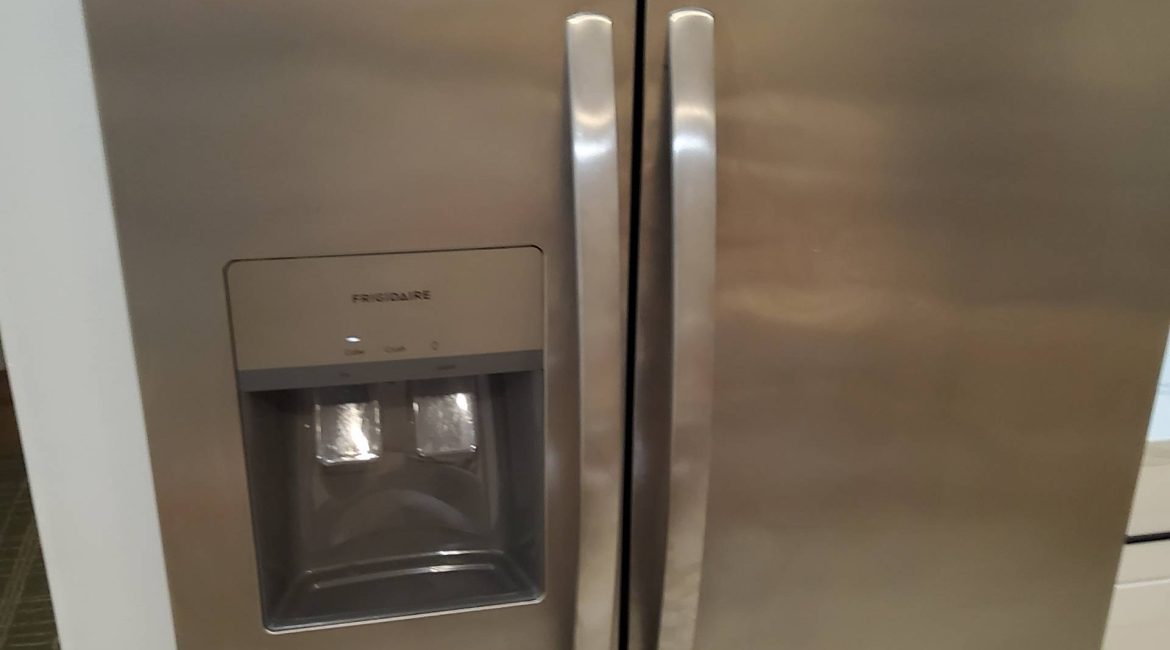
You might notice it first in small ways: the milk goes sour a day earlier than usual, leafy greens wilt faster, or leftovers develop off-flavors more quickly. At the same time, your refrigerator seems to run normally — lights are on, shelves are cold, and the motor hums softly. This subtle mismatch between apparent normal operation and declining food freshness is an early warning sign that something isn’t right inside your appliance.
Why quiet operation can be misleading
Modern refrigerators are designed to operate efficiently and quietly, which is great for energy savings and a peaceful kitchen. But quiet operation doesn’t always mean healthy operation. The cooling system inside your fridge relies on several components — the compressor, evaporator coils, fans, and thermostat — all working in harmony. If even one part begins to underperform, the temperature distribution inside the fridge can become uneven.
Uneven cooling and its effects on food
Even slight temperature fluctuations can affect perishables. Dairy, meats, and fresh produce are particularly sensitive. When certain areas of the fridge are slightly warmer than they should be, bacterial growth accelerates, causing food to spoil faster. Meanwhile, the compressor may still run normally, and the appliance may not trigger any alarms, giving the false impression that everything is fine.
Common causes of this early decline in cooling performance
- Dirty or iced-over evaporator coils – Dust, dirt, or frost buildup reduces the coils’ efficiency, making it harder for the fridge to maintain a consistent temperature.
- Faulty fans or circulation issues – Fans help distribute cold air evenly. A malfunctioning fan can leave some areas warmer than others, even if the overall temperature reading seems normal.
- Aging or weak compressor – The compressor is the heart of your fridge. Over time, its performance may gradually decrease, producing enough cooling to run silently but not enough to keep food fresh for long periods.
- Door seals and gaskets – Even small gaps in the door seal allow warm air in and cold air out. This can subtly compromise cooling without producing obvious symptoms.
Why increasing fridge settings isn’t always the solution
It’s tempting to simply lower the temperature dial, thinking more cold will keep food fresher. But this often doesn’t address the real problem and can even create new issues. Overcooling can freeze items not meant to be frozen, and the compressor may work harder than necessary, leading to higher energy bills and potential long-term damage.
Early intervention is key
Spotting these subtle warning signs early can save you from more costly repairs down the line. Unlike a fridge that completely stops cooling, early performance declines are reversible with proper maintenance. A professional technician can clean coils, inspect fans, test the compressor, and replace worn-out parts before the situation worsens.
Maintaining your refrigerator for longevity and freshness
Regular maintenance helps prevent uneven cooling and keeps your groceries fresh longer:
- Clean coils and vents at least twice a year.
- Check door seals for tightness and replace them if worn.
- Avoid overpacking, which blocks air circulation.
- Monitor temperature zones inside the fridge rather than relying on a single dial setting.
When to call a professional
If you notice groceries spoiling faster despite normal operation, it’s time to consult a qualified technician. Ignoring early warning signs may eventually lead to full system failure, higher repair costs, or even the need for a complete replacement.
Trust the experts
At Oceanside Appliance Service Center, our technicians specialize in diagnosing subtle cooling issues before they escalate. We’ll inspect your fridge, identify hidden problems, and restore consistent performance so your food stays fresh longer.
Don’t wait for your next batch of groceries to go bad. Schedule a professional checkup today and protect both your fridge and your food.
Contact us
