

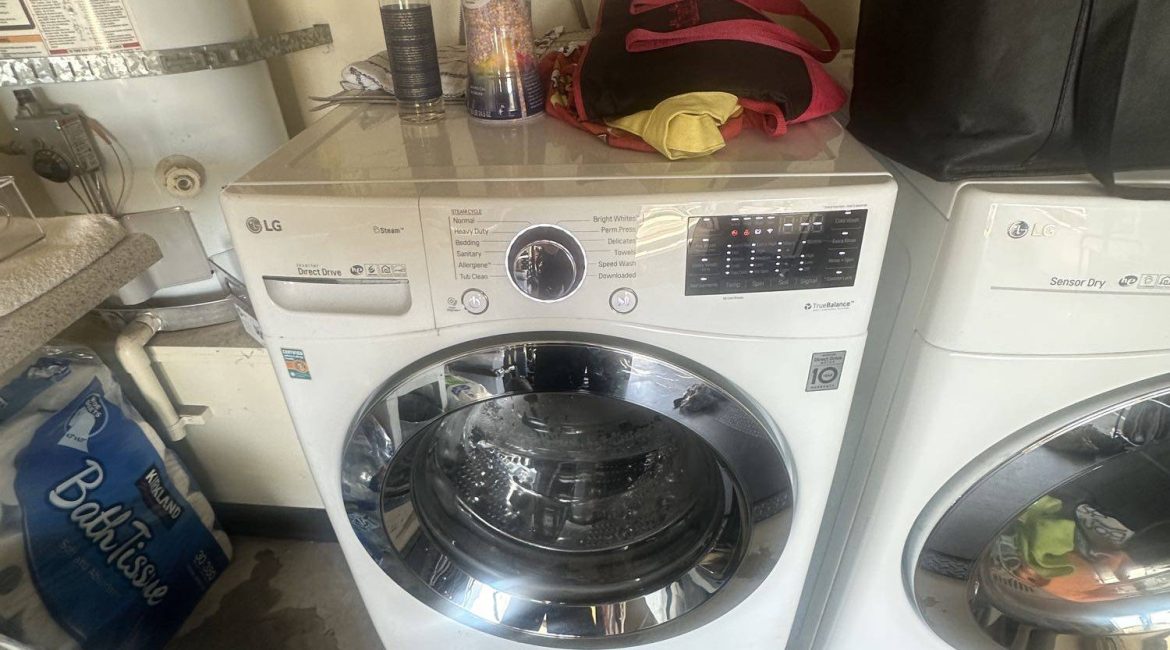
A washing machine is designed to flush detergent from the dispenser drawer completely during every cycle. When water mixed with detergent stays trapped inside the drawer after the wash is finished, it signals that the flow system is not working as intended. The issue may seem minor at first, but over time it can affect wash quality, create unpleasant odors, and lead to residue buildup inside the appliance.
Understanding what causes this problem helps prevent unnecessary wear and keeps the machine working efficiently.
Blocked dispenser channels
One of the most common reasons is a partial blockage in the dispenser system. Detergent powder, liquid soap, and fabric softener can accumulate in narrow channels over time. When these deposits harden, water can no longer pass through freely. The result is stagnant liquid remaining in the drawer after each cycle.
Even a thin layer of residue can reduce flow enough to disrupt the rinse process.
Weak water pressure or inlet restrictions
The dispenser relies on steady water pressure to flush compartments. If the household water pressure is low, or if the inlet hose is kinked or partially blocked, the rinse cycle becomes weaker. In such cases, detergent is not fully washed out, leaving a mixture of water and soap behind.
A clogged inlet filter screen can also reduce water flow without any visible external signs.
Siphon cap or insert issues
Most dispenser drawers include a siphon mechanism that controls when liquid additives are released. If the siphon cap is clogged or not seated correctly, water may remain trapped instead of draining properly. This is especially common when liquid detergent or fabric softener thickens inside the compartment.
Hard water and mineral buildup
In areas with hard water, minerals accumulate quickly inside small plastic channels. These deposits gradually narrow the passageways and reduce the efficiency of the flushing system. Over time, even a well-maintained machine can start retaining water in the dispenser drawer due to internal scaling.
Faulty inlet valve or water distribution system
If the inlet valve is not opening fully, or if the water diverter is malfunctioning, the machine may not direct enough water to the detergent compartment. This leads to incomplete rinsing of the drawer. In such cases, the problem is mechanical or electrical and requires inspection.
Simple maintenance steps
Regular cleaning often resolves the issue if it is caught early.
Start by removing the dispenser drawer completely. Wash it under warm water and use a soft brush to remove detergent buildup from all compartments. Pay attention to the underside where residue often hides.
Next, clean the dispenser housing inside the machine. A small brush or cloth can help remove hardened detergent around the water jets.
Check the inlet filter screens located where the hoses connect to the machine. If they appear clogged, rinse them gently under running water.
Running a hot wash cycle without laundry and with a descaling agent can also help break down internal buildup.
When professional service is needed
If cleaning does not improve water drainage from the dispenser drawer, the issue may be deeper inside the water inlet system or control mechanism. Faulty valves, pressure sensors, or diverter components require proper testing tools and experience to diagnose accurately.
Ignoring persistent drainage issues can lead to detergent waste, poor wash performance, and long-term strain on the appliance.
For reliable diagnosis and repair, it is best to contact a qualified technician.
Professional help
If your washing machine continues to leave detergent water trapped in the dispenser drawer, schedule a service visit with Oceanside Appliance Service Center. A targeted inspection will identify whether the issue is related to blockage, water flow, or internal component failure, and restore proper operation.
Contact us
