


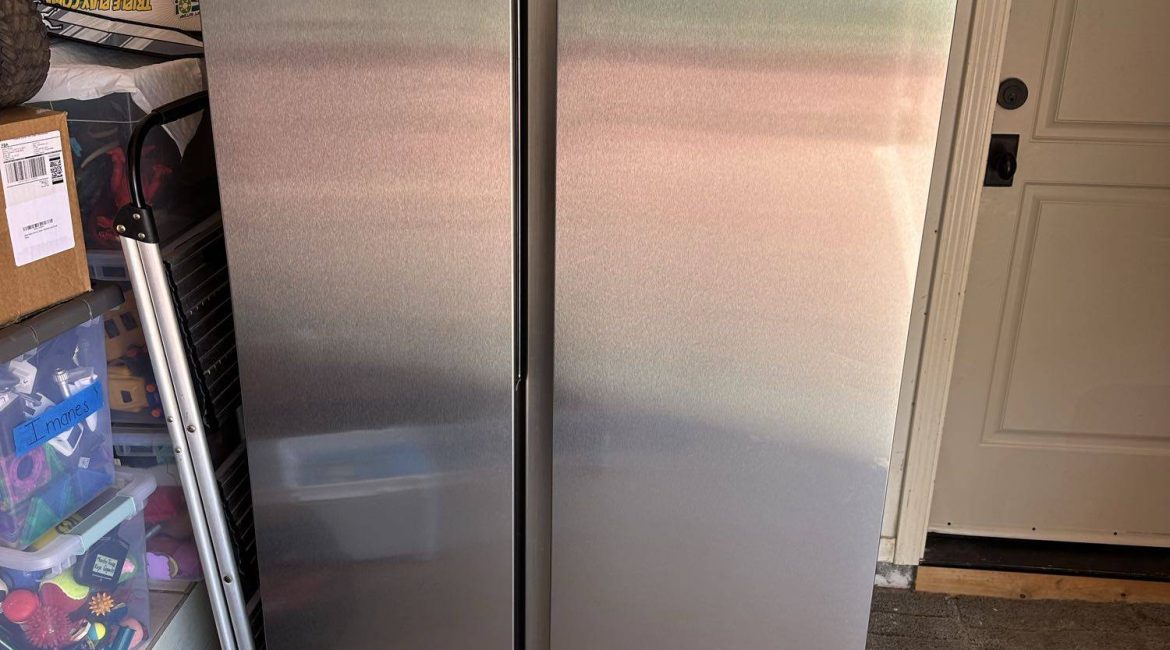
A refrigerator that maintains the correct temperature but feels unusually humid inside can be confusing for homeowners. Food stays cold, drinks are chilled, and the compressor seems to be working normally, yet moisture builds up on containers, shelves, or produce drawers. While this issue may not seem urgent at first, excess humidity inside a refrigerator often signals an underlying problem that can eventually affect food quality, energy efficiency, and appliance performance.
Understanding what causes humidity inside a refrigerator can help identify whether a simple adjustment is needed or if professional refrigerator repair is required.
How Humidity Develops Inside a Refrigerator
Modern refrigerators are designed to maintain a balance between temperature and airflow. Cold air circulates throughout the compartments, removing excess moisture while keeping food fresh. When this balance is disrupted, humidity can accumulate even if the refrigerator continues cooling properly.
Moisture naturally enters the refrigerator whenever the doors are opened. Warm air from the kitchen carries water vapor, which condenses when it meets cooler surfaces inside the appliance. Under normal conditions, the refrigerator’s airflow system manages this moisture effectively.
When airflow becomes restricted or door seals begin to fail, humidity levels can rise without causing an immediate temperature problem.
Worn or Damaged Door Seals
One of the most common causes of excessive humidity is a deteriorating door gasket. The rubber seal around the refrigerator door is responsible for preventing warm, moist air from entering the compartment.
Over time, gaskets can become:
- Cracked
- Torn
- Loose
- Warped
- Dirty and unable to seal properly
Even a small gap can allow humid air to enter continuously. Because the cooling system may still be capable of maintaining the desired temperature, homeowners often notice moisture buildup before they notice any cooling issues.
Signs of a failing refrigerator seal may include:
- Condensation on shelves
- Moisture around food containers
- Water droplets on interior walls
- Increased compressor run times
- Higher utility bills
Inspecting the gasket for visible damage and cleaning it regularly can sometimes resolve minor sealing problems.
Restricted Airflow Inside the Refrigerator
Air circulation is critical for maintaining consistent temperature and humidity levels. Cold air is distributed through vents that allow it to move between compartments and around stored food.
When these vents become blocked, airflow can become uneven. Areas with poor circulation often develop pockets of humidity.
Common causes of airflow restrictions include:
- Overpacked shelves
- Large containers blocking vents
- Improper food placement
- Ice buildup near air channels
Many homeowners maximize refrigerator storage space without realizing that overcrowding can interfere with circulation. Leaving some open space around vents helps maintain proper airflow and reduces moisture accumulation.
Problems With the Evaporator Fan
The evaporator fan plays a major role in distributing cold air throughout the refrigerator compartment. If the fan becomes weak, noisy, or partially fails, cooling may still occur, but airflow can become insufficient.
As a result:
- Some sections remain colder than others
- Moisture lingers longer inside the compartment
- Produce drawers become excessively damp
- Condensation appears more frequently
A failing evaporator fan often develops gradually, making the symptoms easy to overlook until humidity becomes noticeable.
Defrost System Issues
Modern refrigerators periodically remove frost from the evaporator coils through an automatic defrost cycle. If part of the defrost system malfunctions, frost may accumulate behind interior panels where it is not immediately visible.
This hidden frost can restrict airflow and reduce the refrigerator’s ability to manage moisture properly.
Potential defrost-related problems include:
- Faulty defrost heaters
- Defective defrost thermostats
- Malfunctioning control boards
- Sensor failures
Although cooling may appear normal initially, humidity often increases as airflow becomes more restricted.
Frequent Door Openings
Sometimes the cause is not a mechanical failure but a usage pattern. Every time the refrigerator door is opened, warm air enters the compartment.
Frequent access can introduce significant moisture, especially during:
- Hot summer months
- Humid weather conditions
- Large family gatherings
- Busy commercial kitchens
If humidity increases during these situations but disappears afterward, the refrigerator may simply be responding to elevated moisture levels in the environment.
Why Excess Humidity Should Not Be Ignored
Many people assume that if food remains cold, the refrigerator is functioning correctly. However, prolonged humidity can lead to several issues.
Excess moisture may cause:
- Faster food spoilage
- Mold growth
- Unpleasant odors
- Water accumulation in drawers
- Increased compressor workload
- Reduced appliance efficiency
Addressing humidity early can help prevent more expensive repairs later.
When Professional Service Is Recommended
If cleaning the door seals, organizing food placement, and checking airflow do not resolve the issue, professional diagnosis may be necessary.
An appliance technician can inspect:
- Door gasket condition
- Air circulation systems
- Evaporator fan operation
- Defrost components
- Temperature sensors
- Electronic control systems
Identifying the source of excess humidity early helps protect both the refrigerator and the food stored inside.
Schedule Refrigerator Repair With Oceanside Appliance Service Center
If your refrigerator compartment feels humid even though cooling seems normal, the problem may involve restricted airflow, worn door seals, fan issues, or hidden defrost system faults. Ignoring these warning signs can lead to food spoilage, higher energy costs, and more extensive repairs.
The experienced technicians at Oceanside Appliance Service Center provide professional refrigerator diagnostics and repair services for all major brands. Contact Oceanside Appliance Service Center today to schedule service and restore proper refrigerator performance before a minor issue becomes a major repair.
Contact us
