

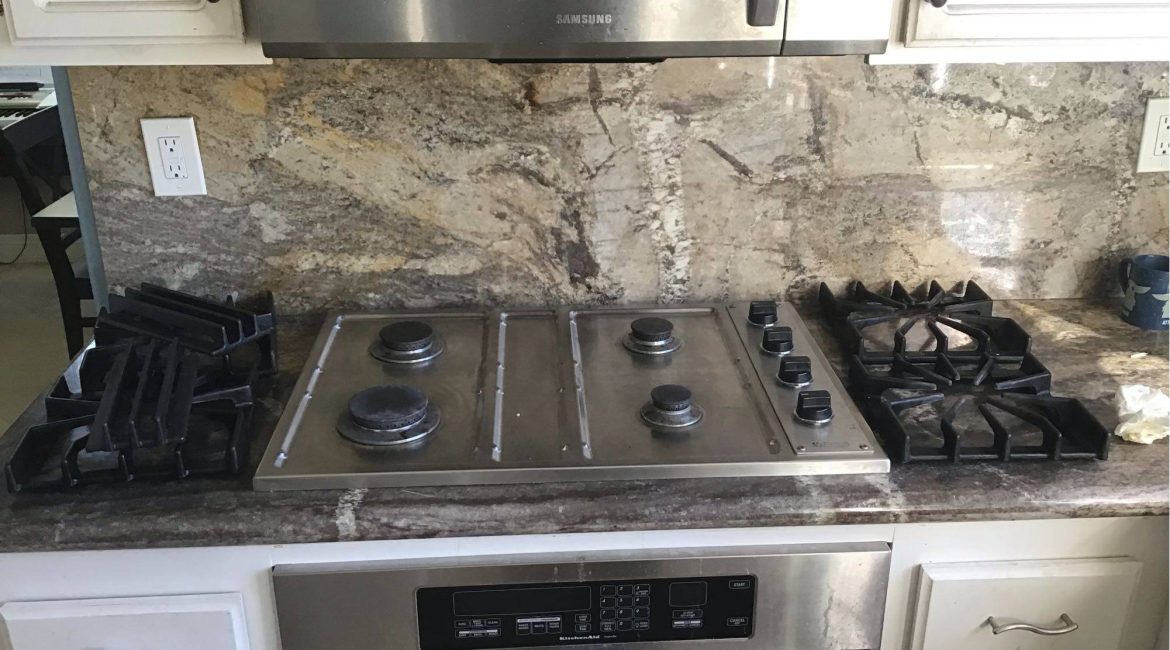
When a gas stove burner takes several seconds to ignite after the knob is turned, the issue usually points to a disruption in either the ignition system or the gas flow path. While the delay may seem minor at first, it often signals a developing fault that can affect safety, efficiency, and cooking control over time.
A properly functioning burner should ignite almost instantly once gas is released and the igniter produces a spark. Any noticeable lag suggests that one of these two systems is not operating in sync.
Ignition system issues
One of the most common reasons for delayed ignition is a weak or inconsistent spark. Modern gas stoves rely on an electric igniter that produces a rapid series of sparks when the knob is turned. If the igniter is worn or partially blocked, it may still work, but not strongly enough to light the gas immediately.
Food residue, grease, and cleaning products often accumulate around the igniter electrode. Even a thin layer of buildup can interfere with spark formation. In some cases, moisture after cleaning can temporarily reduce performance, especially if water enters the burner assembly.
Another factor is electrical degradation. The ignition switch inside the control knob can wear out, creating a delay between turning the knob and sending a signal to the igniter. Similarly, a failing spark module may generate weaker pulses or inconsistent timing, resulting in a slow or uneven ignition process.
Gas flow and delivery problems
If the ignition spark is functioning correctly, the delay may come from the gas supply reaching the burner. Burners depend on a clear and stable flow of gas through small ports. Any obstruction in these channels can slow ignition.
Clogged burner ports are a frequent issue. Over time, spills and food particles block the tiny openings where gas exits. When gas does not distribute evenly, it may take longer to accumulate enough concentration near the igniter to ignite.
A partially blocked gas valve can also restrict flow. Even a slight restriction changes the pressure balance, creating a delay between turning the knob and the gas reaching the burner head.
In some homes, the issue is related to the gas regulator or supply line. If pressure is inconsistent, the burner may receive gas in uneven bursts. This leads to a delayed or sometimes uneven ignition pattern, where the flame appears after a short pause or lights unevenly around the burner.
Air trapped in the gas line can also contribute, especially after maintenance work or appliance relocation. Until the air is fully purged, ignition may feel delayed or inconsistent.
Burner alignment and mechanical factors
Burner components must sit in correct alignment for ignition to happen quickly. If the burner cap is slightly shifted, gas may not disperse properly around the igniter. This creates a mismatch between gas release and spark position.
In some models, especially older ones, mechanical wear inside the control assembly can affect timing. The knob may rotate correctly, but the internal mechanism that opens the gas valve may respond with a slight delay.
Safety considerations
A delayed ignition should not be ignored. When gas accumulates before ignition, even briefly, it increases the chance of a small flare-up once the burner finally lights. This is not just a performance issue but a safety concern.
Repeated delay can also indicate that multiple components are starting to fail at the same time, particularly in appliances that have been in use for several years without servicing.
What can be checked at home
Basic maintenance can resolve some of the common causes. Cleaning the burner caps and ports helps restore even gas flow. Ensuring the igniter is dry and free from residue improves spark consistency. Reseating the burner cap properly can also eliminate alignment issues.
However, electrical faults, gas pressure irregularities, and internal valve problems require proper tools and diagnostic equipment. Attempting to repair these systems without experience can lead to unsafe conditions.
When professional service is needed
If the burner continues to ignite with a delay after basic cleaning and inspection, the issue is likely deeper within the ignition system or gas delivery components. At that point, professional diagnosis becomes the safest option.
Technicians can test ignition modules, inspect wiring continuity, measure gas pressure, and verify valve response time. These steps identify whether the problem is isolated or part of a broader system failure.
For reliable repair and accurate diagnostics, it is recommended to contact Oceanside Appliance Service Center. Their specialists can restore proper ignition timing and ensure the burner operates safely and consistently.
Contact us
