


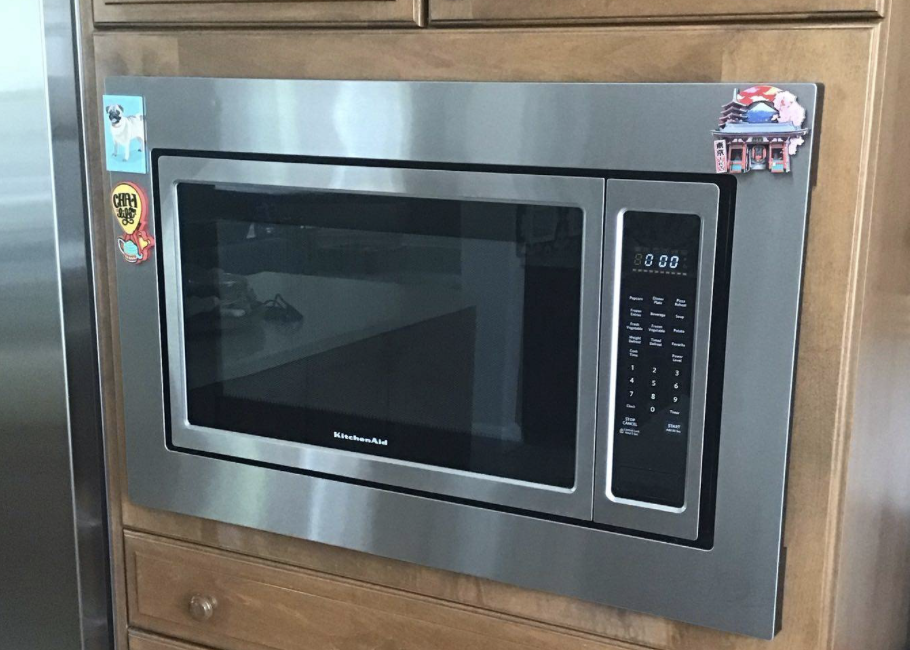
A Whirlpool microwave is designed to operate with a consistent, low-level humming sound during normal use. While no microwave is completely silent, an unusually loud humming noise during the heating cycle is often a warning that an important internal component is beginning to fail. If your Whirlpool microwave suddenly becomes much louder than usual while heating food, the problem should not be ignored. Continuing to use the appliance may lead to more extensive damage or complete failure.
Two of the most common causes of excessive humming are a failing magnetron and a defective high voltage capacitor. Understanding these components can help you recognize when professional repair is necessary.
Why Does a Whirlpool Microwave Make a Loud Humming Noise?
Microwaves rely on a high-voltage electrical system to generate electromagnetic waves that heat food. Several parts work together, including the transformer, diode, capacitor, and magnetron. When one of these components begins to malfunction, unusual noises often appear before the microwave stops heating altogether.
A loud humming sound is one of the earliest symptoms of trouble within the high-voltage system.
Failing Magnetron
The magnetron is the heart of every microwave oven. It converts electrical energy into microwave radiation that heats food quickly and evenly.
As the magnetron wears out, internal damage or weakened components can create a louder humming or buzzing sound during operation. The microwave may still heat food, but performance often declines over time.
Signs of a failing magnetron include:
- Loud humming only during heating
- Longer cooking times
- Uneven heating
- Food remaining cold in some areas
- Burning smell from inside the microwave
- Complete loss of heating after continued use
Magnetrons operate under extremely high voltage and should only be diagnosed or replaced by trained appliance technicians.
Defective High Voltage Capacitor
The high voltage capacitor stores electrical energy and helps supply the magnetron with the power needed to generate microwaves.
When the capacitor begins to fail, it may produce a deep humming or buzzing noise while the microwave is operating. In some cases, heating becomes inconsistent, or the microwave may stop heating entirely.
A damaged capacitor can also place additional stress on other expensive components, including the magnetron and transformer.
Because capacitors can retain dangerous electrical charges even after the microwave has been unplugged, attempting a repair without proper equipment presents a serious safety risk.
Other Components That May Produce Humming
Although the magnetron and capacitor are the most common causes, other parts may also contribute to loud operation.
These include:
- High voltage transformer
- High voltage diode
- Cooling fan motor
- Turntable motor
- Loose mounting brackets
- Internal vibration caused by worn hardware
Professional diagnosis is the fastest way to determine the exact source of the noise without replacing unnecessary parts.
Why You Shouldn’t Ignore the Noise
Many homeowners continue using a noisy microwave because it still heats food. Unfortunately, internal electrical problems usually become worse over time.
Ignoring the warning signs may result in:
- Complete microwave failure
- Damage to additional electrical components
- More expensive repairs
- Increased energy consumption
- Reduced cooking efficiency
- Potential electrical hazards
Scheduling service as soon as unusual noises appear can often reduce repair costs.
Can You Fix the Problem Yourself?
Unlike many kitchen appliances, microwave ovens contain high-voltage circuits capable of storing thousands of volts, even after being unplugged.
DIY repairs involving the high-voltage system are not recommended.
Avoid attempting to:
- Replace the magnetron
- Test the capacitor
- Check the high voltage diode
- Open the microwave cabinet
- Touch internal wiring
Only basic maintenance, such as cleaning the interior and ensuring the microwave sits on a level surface, is considered safe for homeowners.
How Professionals Diagnose Whirlpool Microwave Problems
Experienced appliance technicians use specialized equipment to safely inspect each component of the microwave’s high-voltage system.
Diagnosis typically includes:
- Testing magnetron performance
- Measuring capacitor condition
- Inspecting the high voltage diode
- Checking transformer output
- Examining wiring connections
- Verifying cooling fan operation
- Inspecting door switches
- Testing overall heating performance
This systematic approach ensures that only defective parts are replaced.
Preventing Future Microwave Damage
While some component failures occur simply due to age, proper use can significantly extend the life of your Whirlpool microwave.
Helpful maintenance tips include:
- Never operate the microwave while empty.
- Keep the interior clean to prevent overheating.
- Use microwave-safe cookware.
- Avoid slamming the microwave door.
- Ensure ventilation openings remain unobstructed.
- Do not ignore unusual sounds or burning odors.
- Schedule service promptly when performance changes.
Routine care helps reduce stress on internal electrical components.
When to Call for Professional Repair
If your Whirlpool microwave makes a loud humming noise every time it heats food, professional service should be scheduled promptly. Early diagnosis can prevent additional damage and restore safe operation before the appliance stops working completely.
Whether the issue involves a worn magnetron, a failing high voltage capacitor, or another electrical component, trained technicians can accurately identify the problem and complete the repair safely.
Contact Oceanside Appliance Service Center
If your Whirlpool microwave makes a loud humming noise while heating, don’t wait until it stops working entirely. The experienced technicians at Oceanside Appliance Service Center provide professional microwave diagnostics and repairs for Whirlpool and other major appliance brands. We use quality replacement parts, perform accurate troubleshooting, and restore your microwave to safe, reliable operation. Contact Oceanside Appliance Service Center today to schedule your professional microwave repair.
Contact us
