


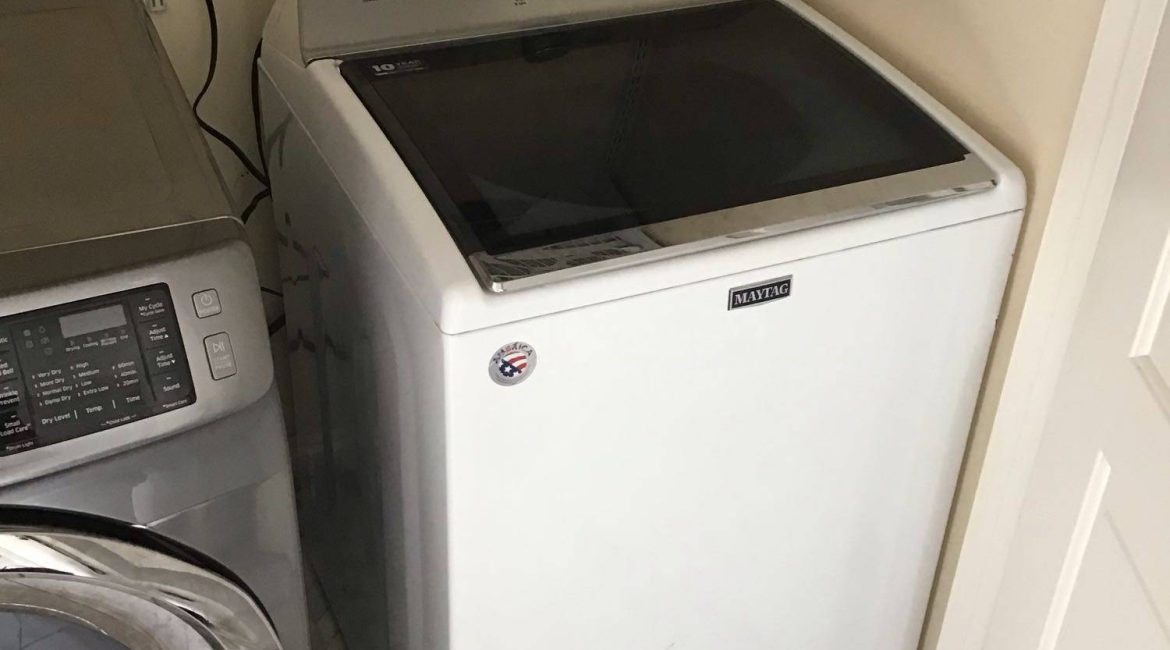
A Kenmore washing machine should operate smoothly throughout the wash cycle, including when the drum begins spinning. However, if the appliance starts shaking violently during the first spin cycle, makes loud banging noises, or moves across the floor, it may indicate a problem with the suspension system or load detection components. Although some vibration is normal, excessive movement is not something homeowners should ignore.
One of the most common causes of this problem is worn or damaged suspension rods. These components support the washer’s tub and help absorb movement while the drum rotates. During the spin cycle, the washing machine reaches higher speeds, creating significant forces inside the appliance. Suspension rods keep the tub balanced and prevent it from moving excessively inside the cabinet.
When one or more suspension rods become weak, stretched, or damaged, the tub may begin moving uncontrollably. The problem can become especially noticeable during the first spin because the washer is transitioning from washing and rinsing to higher-speed rotation. Homeowners may hear repeated banging against the cabinet, notice strong vibrations, or see the entire appliance shaking.
Suspension problems can develop gradually. Regular use, heavy laundry loads, and years of vibration can affect the condition of these components. If the washing machine shakes violently even when the laundry is distributed relatively evenly, worn suspension rods should be inspected. Replacing damaged rods can restore proper tub stability and help prevent additional damage to other washer components.
Another possible cause is an uneven laundry load. Kenmore washing machines are designed to distribute clothes around the drum before entering the high-speed spin cycle. When laundry becomes concentrated on one side, the drum may become unbalanced. Heavy items such as towels, blankets, jeans, and bedding can create this situation, particularly when washed together.
Modern washing machines use load detection systems to identify imbalance and adjust their operation. Depending on the model, the appliance may attempt to redistribute clothing, reduce spin speed, or pause the cycle. If the load detection system does not recognize an imbalance correctly, the washer may continue spinning despite excessive movement.
A faulty load detection system can involve several components, including sensors, wiring connections, or the electronic control board. If the washer repeatedly shakes during the first spin even with smaller, properly distributed loads, the issue may be more complicated than simple laundry imbalance.
The electronic control board also plays an important role in managing the washing machine’s operation. It receives information from different sensors and determines when the drum should accelerate, slow down, or stop. If the board processes incorrect information or fails to respond properly to imbalance signals, the washer may enter the spin cycle under unsuitable conditions.
Electrical problems, damaged connectors, and control board failures can interfere with communication between components. In some cases, the washing machine may display an error code, repeatedly restart the spin cycle, or stop before completing the program. A professional diagnosis is necessary to determine whether the control board itself is defective or whether another component is sending incorrect signals.
Another area worth checking is the washer’s shock absorption and balancing system. Depending on the Kenmore model, the appliance may use suspension rods, dampers, springs, or other supporting components. These parts work together to keep the tub stable while the drum rotates. If one component becomes worn or disconnected, the entire suspension system may lose its ability to control movement.
Homeowners should also check whether the washing machine is standing level. An appliance installed on an uneven floor or with improperly adjusted leveling feet may vibrate excessively, especially during high-speed spinning. Even a properly functioning suspension system cannot completely compensate for an unstable installation.
To check this, make sure the washer is positioned on a firm, level surface. Inspect the leveling feet and confirm that all four corners remain firmly in contact with the floor. If the appliance rocks when gently pushed, its position may need adjustment. However, if violent shaking continues after correcting the installation, an internal mechanical or electronic problem is more likely.
It is also important to consider the condition of the drum bearings and other rotating components. Although suspension rod failure and load detection problems are common possibilities, damaged bearings or a loose drum assembly can also cause unusual movement and loud noises. A grinding sound, persistent rattling, or excessive play in the drum may indicate a more serious mechanical issue.
Continuing to operate a Kenmore washing machine that shakes violently can lead to additional damage. Repeated impacts may affect the outer tub, hoses, wiring, suspension components, and surrounding cabinet. Severe vibration can also cause the washer to move away from its original position, potentially damaging nearby furniture or flooring.
If the appliance begins shaking aggressively, it is best to pause the cycle and turn off the washer. Avoid attempting repeated high-speed spin cycles to see whether the problem disappears. You can try redistributing the laundry and checking the leveling feet, but internal suspension components and electronic systems should be inspected by a qualified technician.
Professional appliance repair begins with identifying the actual source of the vibration. A technician can examine the suspension rods, inspect the tub assembly, test relevant sensors, check electrical connections, and evaluate the electronic control board. This diagnostic process helps distinguish between mechanical wear, load detection failure, and installation-related problems.
The correct repair depends on the results of the inspection. In some cases, replacing worn suspension rods or correcting an installation issue may solve the problem. Other situations require sensor repairs, wiring replacement, or electronic control board service. Addressing the underlying cause helps restore stable operation and reduces the risk of recurring breakdowns.
If your Kenmore washing machine shakes violently during the first spin, do not wait until the vibration causes more extensive damage. Contact Oceanside Appliance Service Center to schedule professional washing machine diagnostics and repair. Our team can help identify suspension problems, load detection failures, and other issues affecting your washer’s performance. Order professional appliance repair service and get your Kenmore washing machine back to smooth, reliable operation.
Contact us
