


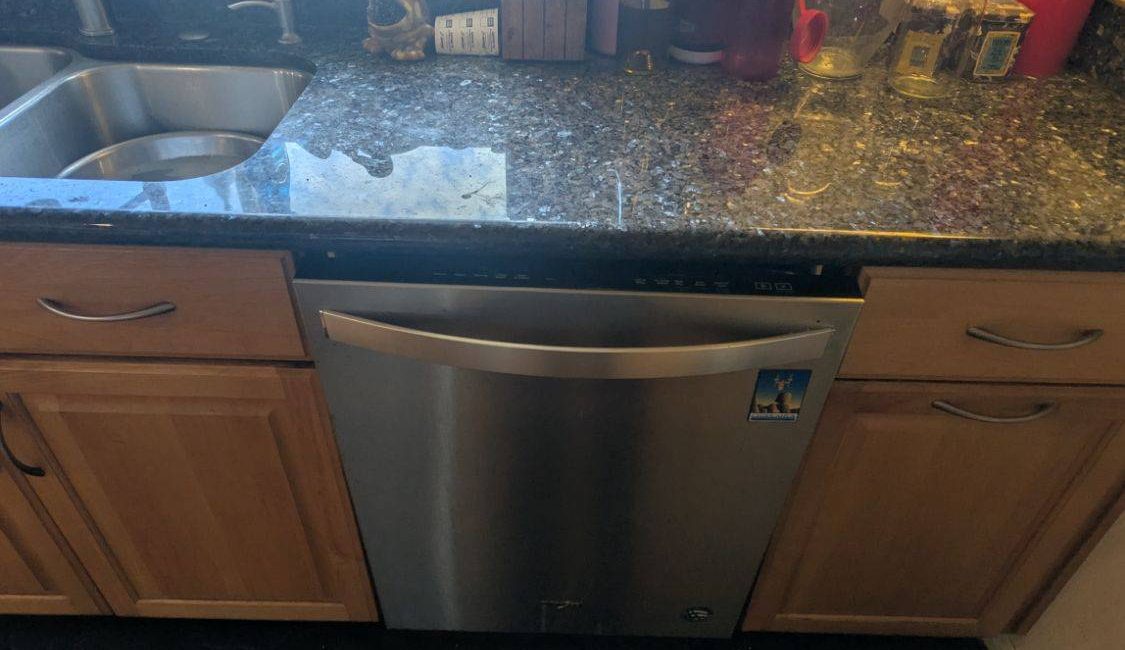
A Whirlpool dishwasher is designed to deliver clean, spotless dishes after every washing cycle. However, when glasses, plates, and silverware emerge covered in a cloudy white film, the appliance may be experiencing problems related to water hardness, detergent distribution, or washing performance. For homeowners in Oceanside, understanding the causes of white residue can help improve dishwasher efficiency, protect kitchenware, and prevent unnecessary appliance repairs.
What Causes White Film on Dishes?
White residue on dishes typically consists of mineral deposits or detergent that has not been completely dissolved or rinsed away. Although the problem may initially appear cosmetic, persistent buildup can affect dishwasher performance and contribute to internal component deterioration. Identifying the source of the residue is essential for selecting an appropriate solution.
Hard Water and Mineral Buildup
Hard water is one of the most common reasons Whirlpool dishwashers leave a white film on dishes. Water containing high concentrations of calcium and magnesium can leave mineral deposits behind as moisture evaporates during the drying process. Common signs of hard water problems include:
- Cloudy drinking glasses.
- White spots on plates and utensils.
- Chalky deposits inside the dishwasher.
- Mineral accumulation around spray arm openings.
- Reduced washing and rinsing efficiency.
Over time, excessive mineral buildup can restrict water circulation and interfere with the operation of internal components. Using dishwasher cleaning products designed to remove mineral deposits may help reduce buildup.
Using Too Much Dishwasher Detergent
Adding excessive detergent does not necessarily improve cleaning results. When detergent exceeds the amount required for the selected washing cycle and water conditions, it may leave a powdery residue on dishes. This problem is particularly common in households with soft water. Additional detergent-related issues include:
- Using low-quality or expired detergent.
- Storing detergent in humid environments.
- Using products incompatible with automatic dishwashers.
- Selecting an inappropriate detergent quantity.
Always follow Whirlpool’s recommendations regarding detergent type and dosage. Adjusting the amount according to local water hardness may significantly improve washing results.
Insufficient Water Temperature
Water temperature plays an essential role in dissolving detergent, removing grease, and eliminating food particles. If the incoming water is too cold or the dishwasher cannot maintain the appropriate temperature, detergent may remain partially dissolved throughout the washing cycle. Possible causes include:
- A defective heating element.
- A malfunctioning temperature sensor.
- Problems with the household hot water supply.
- Electronic control board faults.
Homeowners experiencing recurring detergent residue may benefit from professional dishwasher diagnostics in Oceanside to determine whether the heating system is functioning correctly.
Clogged or Damaged Spray Arms
Spray arms distribute water throughout the dishwasher, ensuring that every dish receives adequate cleaning and rinsing. Mineral deposits, food particles, and other debris can obstruct spray arm openings. When water circulation becomes restricted, detergent and mineral residue may remain on kitchenware. Improper loading can also prevent spray arms from rotating freely. Regularly inspecting accessible spray arms and following the manufacturer’s cleaning instructions can help maintain consistent water distribution. If a spray arm is damaged or circulation remains weak, professional repairs may be necessary.
Problems With the Rinse Aid Dispenser
Rinse aid helps water flow off dishes more efficiently, reducing water spots and mineral deposits during drying. An empty, clogged, or malfunctioning rinse aid dispenser may contribute to cloudy glasses and white residue. Check the rinse aid reservoir regularly and adjust the dispenser settings according to the manufacturer’s recommendations and local water conditions. If the dispenser fails to release rinse aid properly, its internal mechanism may require inspection or replacement.
Dirty Dishwasher Filters
Whirlpool dishwasher filters help capture food particles and prevent debris from circulating throughout the appliance. A clogged filter can restrict water flow, reduce rinsing efficiency, and allow residue to accumulate on dishes. Signs of filter-related problems include unpleasant odors, dirty dishes after washing, standing water, and visible food particles inside the dishwasher. Cleaning removable filters according to the owner’s manual can improve overall washing performance.
Mineral Deposits or Permanent Glass Etching?
Not every cloudy glass is covered with removable residue. Sometimes, repeated exposure to excessive detergent, soft water, and high washing temperatures can permanently damage glass surfaces. This condition is known as glass etching. Unlike mineral deposits, etching cannot be removed through ordinary cleaning. A simple test using white vinegar on an affected glass may help distinguish mineral buildup from permanent damage. If the cloudiness disappears, mineral deposits are likely responsible. If it remains, etching may be the cause.
How to Prevent White Residue on Dishes
Several maintenance practices can help keep your Whirlpool dishwasher operating efficiently:
- Use the correct amount of dishwasher detergent.
- Check household water hardness.
- Refill the rinse aid dispenser regularly.
- Clean dishwasher filters and spray arms.
- Avoid overcrowding dishwasher racks.
- Select washing programs appropriate for the load.
- Use manufacturer-approved dishwasher cleaning products.
Address persistent washing problems before they develop into more expensive mechanical or electrical failures.
Professional Whirlpool Dishwasher Repair in Oceanside
If your Whirlpool dishwasher continues leaving a white film on dishes despite adjustments to detergent, rinse aid, and water conditions, an internal malfunction may be responsible. A professional technician can inspect the heating element, circulation pump, water inlet valve, dispensing system, and electronic controls to identify the underlying problem. Contact Oceanside Appliance Service Center for professional Whirlpool dishwasher diagnostics, maintenance, and repair. Schedule your appliance repair in Oceanside today and enjoy clean, spotless dishes after every washing cycle.
