


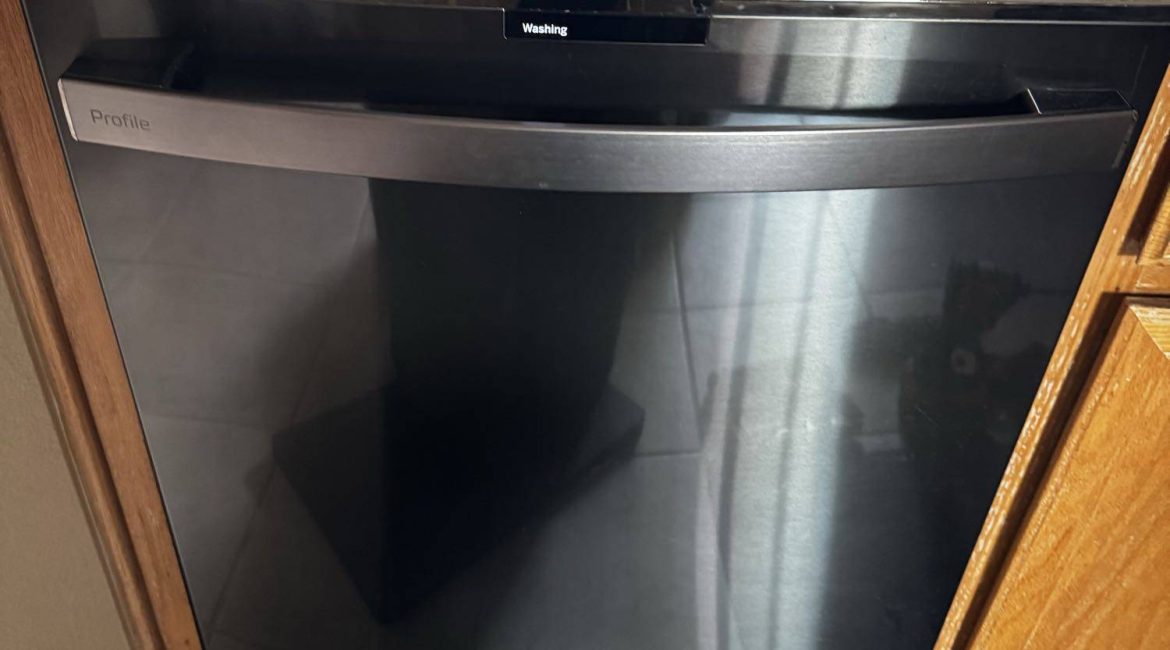
A dishwasher that leaves food particles on dishes can turn a routine cleaning task into a source of frustration. While these appliances are designed to save time and effort, several mechanical or maintenance issues can compromise their effectiveness. Understanding the common causes can help you troubleshoot the problem or decide when professional service is necessary.
- Clogged or Dirty Filters
Most dishwashers are equipped with filters designed to trap food debris and prevent it from recirculating during the wash cycle. Over time, these filters can become clogged with food particles, grease, and soap residue. A blocked filter reduces water flow and prevents the appliance from cleaning effectively. Regularly removing and cleaning the filter—usually located at the bottom of the dishwasher—can prevent leftover food from redepositing on dishes. If the filter is damaged, even cleaning may not fully restore performance. - Spray Arm Obstructions
Dishwashers rely on spray arms to distribute water and detergent evenly throughout the interior. Small holes in these arms can become blocked by mineral deposits, bits of food, or hard water scale. If the spray arms are partially or fully obstructed, water cannot reach all surfaces of the dishes, resulting in leftover particles. Inspecting and cleaning the spray arms is a straightforward maintenance task. Remove any debris, rinse under running water, and check that the arms spin freely. If the arms are cracked or warped, replacement is necessary. - Overloading the Dishwasher
Overcrowding can prevent water from reaching all dishes evenly. Plates, bowls, and utensils placed too closely together may shield each other from water jets, leaving food behind. Avoid stacking items in a way that blocks the path of water or detergent, and ensure larger utensils do not obstruct smaller ones. Following the manufacturer’s loading guidelines improves performance and reduces residue. - Detergent Issues
The type and amount of detergent used can also affect cleaning. Using too little detergent may fail to break down food residues, while using too much can leave a soapy film that traps debris. Powder detergents may clump if exposed to moisture, reducing their effectiveness. Additionally, some hard water areas require detergents formulated to manage mineral content. Choosing the correct detergent and adjusting dosage based on water hardness can improve results. - Water Temperature and Pressure
Dishwashers require a minimum water temperature—usually around 120°F (49°C)—for optimal cleaning. Water that is too cool cannot dissolve grease or food particles effectively. Similarly, low water pressure limits the reach of spray arms, reducing the appliance’s ability to remove debris. Checking the hot water supply and ensuring adequate household water pressure is essential. Some modern dishwashers have diagnostic modes that indicate temperature or pressure issues. - Worn or Malfunctioning Components
Over time, components such as the pump, motor, or circulation system may wear out. If water is not being pumped forcefully enough through the spray arms, or if the circulation system fails intermittently, food particles may remain on dishes. These issues often require professional diagnosis and repair. Attempting to fix internal pumps or motors without proper expertise can lead to further damage. - Regular Maintenance Practices
Routine maintenance is key to preventing residue problems. In addition to cleaning filters and spray arms, wiping down the interior, checking for mineral buildup, and running an empty cycle with dishwasher cleaner can keep the system in good condition. Avoid letting food particles dry on dishes before washing, and scrape plates before loading to minimize debris buildup.
When to Call a Professional
If cleaning filters and spray arms, adjusting loading practices, and checking detergent do not resolve the issue, it may indicate a more serious malfunction. Problems with water circulation, pumps, or spray arm motors require professional attention. Oceanside Appliance Service Center provides comprehensive dishwasher diagnostics and repair. Our technicians can identify the root cause, replace worn components, and restore your dishwasher to optimal performance.
Ensuring your dishwasher is functioning correctly not only improves cleaning efficiency but also extends the life of the appliance. Timely maintenance and repairs prevent recurring problems and reduce the risk of more costly damage.
Contact Oceanside Appliance Service Center today to schedule a professional inspection and repair. Don’t let leftover food ruin your clean dishes—our expert technicians are ready to restore your dishwasher’s full functionality.
Contact us
