


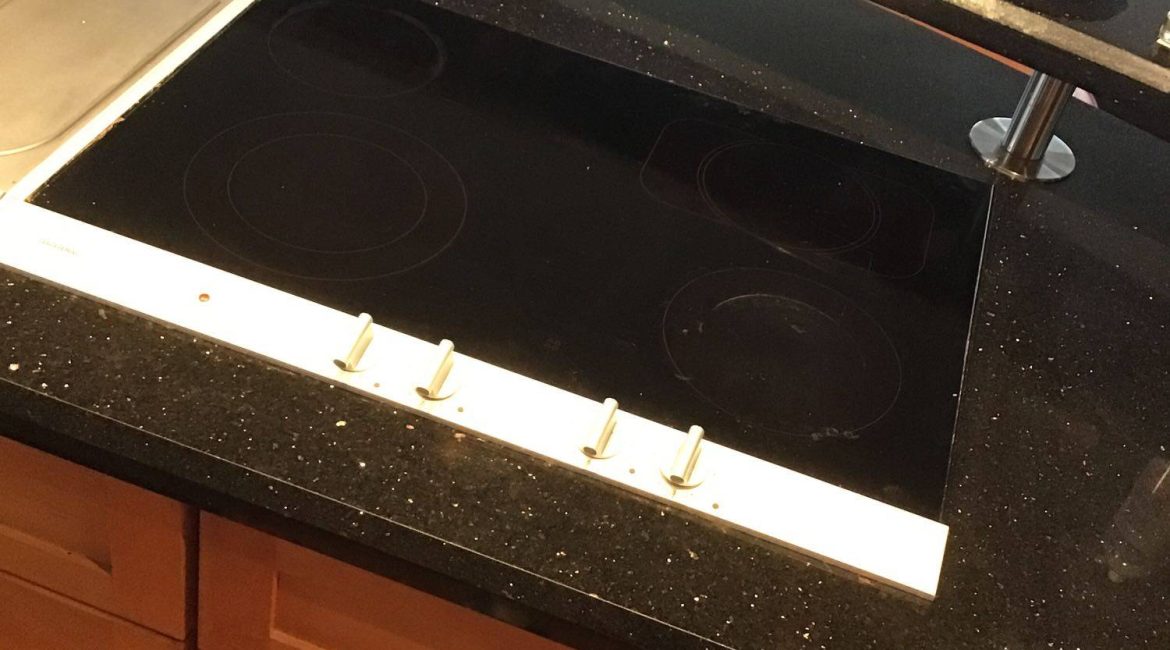
Induction cooktops are designed for fast, efficient cooking, but they depend on accurate communication between the cookware and the internal sensors. When an induction burner suddenly stops detecting a pan after a few minutes of use, cooking becomes inconsistent and frustrating. In many cases, the problem starts small — the cooktop works normally at first, then the burner shuts off, flashes an error code, or acts as if no cookware is present.
This issue is often connected to overheating, sensor failure, ventilation problems, or damaged internal components. Understanding what may cause the cooktop to lose pan detection can help prevent further damage and restore reliable performance.
How Induction Pan Detection Works
Unlike traditional electric or gas cooktops, induction systems use electromagnetic energy to heat cookware directly. The cooktop contains coils beneath the glass surface that create a magnetic field. When compatible cookware is placed on the burner, the system detects the pan and transfers heat.
Several sensors work together during this process. Temperature sensors monitor heat levels, while pan detection sensors confirm the cookware is suitable and properly positioned. If the system detects abnormal conditions, it may stop heating automatically as a safety measure.
When pan detection fails after several minutes of operation, the cooktop is often reacting to overheating or receiving incorrect information from one of these sensors.
Overheating Inside the Cooktop
One of the most common causes of temporary pan detection failure is internal overheating. Induction cooktops generate significant heat inside their electronic components, especially during high-power cooking.
To control temperatures, most units include cooling fans and ventilation channels. If airflow becomes restricted, heat builds up around the control board or induction module. Once temperatures exceed safe limits, the system may temporarily shut down the burner or stop recognizing cookware.
Several factors can contribute to overheating:
- Blocked ventilation openings
- Dust accumulation inside the appliance
- Failed cooling fans
- Poor installation with limited airflow space
- Continuous use at maximum power levels
In some cases, the burner may start working again after cooling down. However, repeated overheating can damage internal electronics over time.
Faulty Temperature Sensors
Temperature sensors play an important role in protecting the cooktop. If a sensor becomes inaccurate or unstable, the system may incorrectly assume the appliance is overheating even when temperatures are normal.
A defective sensor can trigger random shutoffs, blinking indicators, or pan recognition failures. Because induction cooktops rely heavily on electronic feedback, even a small sensor error may interrupt operation.
Signs of sensor-related problems may include:
- Burners shutting off unpredictably
- Errors appearing after several minutes of cooking
- Heat levels changing suddenly
- Cookware repeatedly losing detection
Sensor failures usually require professional diagnosis because the components are integrated into the cooktop’s control system.
Cooling Fan Problems
Most induction cooktops contain internal cooling fans that activate automatically during cooking. These fans protect the power boards and induction coils from overheating.
If the fan becomes weak, clogged, or stops operating entirely, internal temperatures can rise quickly. As a protective response, the appliance may disable the burner or stop detecting cookware.
Common symptoms of cooling fan issues include:
- Loud buzzing or rattling noises
- Burners shutting off during high heat cooking
- Heat lingering under the glass surface
- Intermittent operation
A damaged fan motor or blocked airflow should be addressed quickly to avoid permanent electronic damage.
Cookware Compatibility Issues
Not every pan works correctly with induction cooking. Some cookware may initially activate the burner but lose proper magnetic contact as temperatures increase.
Warped cookware bases, uneven surfaces, or low-quality induction-compatible materials can confuse the detection system. The cooktop may stop recognizing the pan even though it worked moments earlier.
For reliable performance:
- Use cookware labeled induction-compatible
- Choose pans with flat, smooth bottoms
- Avoid heavily warped or damaged cookware
- Match pan size to burner size
Testing the cooktop with a different pan can help determine whether the issue is related to cookware or the appliance itself.
Control Board or Induction Module Failure
If overheating and cookware problems are ruled out, the issue may involve the cooktop’s electronic control board or induction module.
These components regulate power delivery, temperature monitoring, and communication between sensors. Electrical wear, heat damage, or voltage fluctuations can cause unstable operation.
A failing control board may create symptoms such as:
- Random burner shutdowns
- Flashing error codes
- Multiple burners malfunctioning
- Inconsistent heat output
- Failure to recognize cookware
Because induction systems contain sensitive electronics, professional testing is usually necessary to identify the exact failed component.
Installation and Ventilation Problems
Improper installation can also contribute to overheating and pan detection issues. Induction cooktops require sufficient ventilation space beneath the appliance to allow heat to escape.
If drawers, insulation materials, or nearby appliances block airflow, internal temperatures may rise rapidly during use.
Manufacturers typically specify minimum clearance requirements around the cooktop. Ignoring these requirements can reduce cooling efficiency and shorten the lifespan of electronic components.
Why Professional Diagnosis Matters
Induction cooktops combine high-voltage electronics, sensors, and complex control systems. While some issues may appear minor at first, repeated overheating or sensor failures can eventually damage expensive internal parts.
Professional technicians can safely inspect:
- Cooling systems
- Internal temperature sensors
- Power boards
- Induction coils
- Ventilation pathways
- Electrical connections
Early diagnosis often prevents larger repairs and helps restore stable performance before additional components fail.
Schedule Service with Oceanside Appliance Service Center
If your induction cooktop stops detecting pans after a few minutes of cooking, the problem should not be ignored. Overheating, faulty sensors, cooling fan failures, or damaged control boards can all affect performance and lead to more serious damage over time.
The experienced technicians at Oceanside Appliance Service Center provide professional diagnostics and repair services for induction cooktops and other major appliances. Their team can identify the source of the problem, restore safe operation, and help extend the life of your appliance.
Contact Oceanside Appliance Service Center today to schedule expert induction cooktop repair service.
Contact us
