


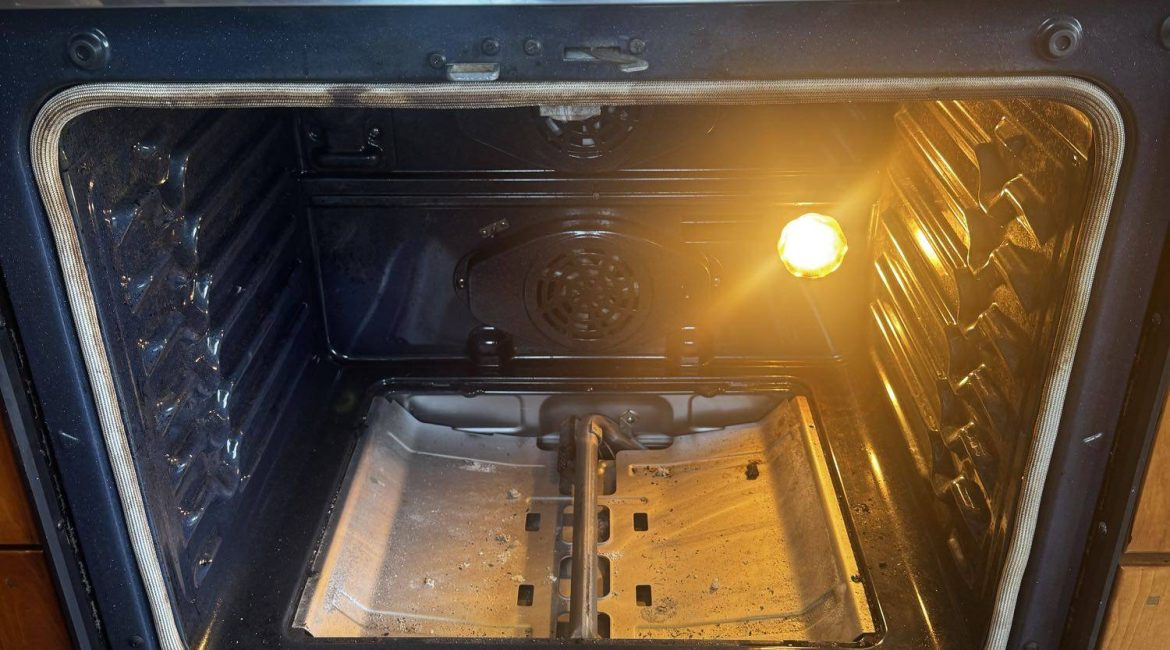
A Jenn-Air oven that consistently heats above the selected temperature can make cooking difficult and may indicate a problem with one of its temperature regulation components. Food may burn before the recommended cooking time, baked goods may brown unevenly, and recipes that usually turn out well may suddenly become unreliable. In some cases, the oven may continue heating even after reaching the set temperature.
Although an incorrect temperature setting or calibration issue can sometimes explain the problem, persistent overheating may point to a faulty temperature sensor, a malfunctioning electronic control board, or another component involved in regulating heat. Identifying the cause early can help prevent further appliance damage and reduce the risk of burned food or unsafe operating conditions.
Common Signs That a Jenn-Air Oven Is Overheating
The most obvious symptom is food cooking faster than expected. A cake may develop a dark crust while remaining undercooked inside, cookies may burn on the bottom, or a roast may reach its target internal temperature well before the recipe indicates.
Other warning signs include excessive browning, unusually intense heat escaping from the oven, temperature readings that do not match an independent oven thermometer, and repeated overheating across different cooking modes.
The display may show the selected temperature even when the actual temperature is significantly higher. This happens because the displayed value does not always represent a direct measurement of the oven’s current internal temperature. Depending on the model, it may reflect the set point rather than the actual temperature.
If the oven continues heating without cycling normally, or if the temperature rises uncontrollably, stop using the appliance. If it is safe to do so, turn it off. Persistent uncontrolled heating requires professional inspection.
Faulty Oven Temperature Sensor
The temperature sensor is one of the main components responsible for monitoring the oven’s internal heat. It sends an electrical signal to the control system, which uses that information to determine whether the heating elements or gas burner should continue operating.
When the sensor fails or provides inaccurate readings, the oven may struggle to maintain the selected temperature. For example, a sensor that incorrectly indicates that the oven is cooler than it really is can cause the control system to keep supplying heat for too long.
Several factors can contribute to sensor problems, including electrical faults, damaged wiring, connector issues, and deterioration of the sensor itself.
A technician can inspect the sensor, examine its wiring, and measure its resistance against the manufacturer’s specifications at the appropriate temperature. The results help determine whether the sensor is faulty or whether the problem lies elsewhere in the control circuit.
Replacing a defective sensor may resolve the overheating issue, provided the remaining temperature regulation components are functioning correctly.
Electronic Control Board Failure
The electronic control board manages many of the oven’s operating functions, including temperature regulation, heating cycles, and communication with the sensor. If the board develops a fault, it may fail to interpret sensor signals correctly or may not switch the heating system off when the desired temperature is reached.
Possible causes include damaged electronic components, electrical surges, deteriorated connections, and age-related component failure.
An oven with a malfunctioning control board may overheat intermittently, maintain temperatures above the selected setting, or behave inconsistently across different cooking modes. However, these symptoms can overlap with sensor faults, so the control board should not be replaced based on symptoms alone.
Professional diagnosis typically involves checking the temperature sensor, inspecting wiring and connections, verifying the heating system’s operation, and testing the relevant control outputs. This process helps avoid replacing an expensive board when a smaller component is responsible.
Other Possible Causes of Excessive Oven Temperature
While the temperature sensor and electronic control board are common areas to investigate, other faults can also cause overheating.
A sticking relay may prevent the heating element from switching off when commanded. Depending on the oven’s design, a failed relay or related switching component can allow heat to continue building beyond the intended temperature.
A calibration setting may also be responsible. Some Jenn-Air ovens allow users to adjust the displayed or regulated temperature to compensate for cooking preferences. If the calibration has been changed accidentally, the oven may consistently cook hotter than expected. Consult the owner’s manual for model-specific instructions before changing this setting.
In electric models, a damaged heating element or a fault in its control circuit may cause abnormal heating behavior. Gas models have different burner and ignition systems that require their own diagnostic procedures.
Poor door sealing can contribute to temperature fluctuations, although it is less likely to explain a substantial, persistent temperature overshoot by itself.
What You Can Check Before Scheduling a Repair
There are a few basic checks you can perform without opening the appliance.
First, verify that the selected temperature and cooking mode are correct. Convection settings, for example, may require different temperatures or cooking times depending on the recipe and oven model.
Next, consult the owner’s manual to determine whether temperature calibration has been adjusted. If you suspect an inaccurate reading, an oven thermometer can help establish whether the actual temperature differs from the displayed setting. Only perform a test if the oven can be operated safely; do not continue testing an appliance that heats uncontrollably.
You can also inspect the door gasket for visible damage and check whether the door closes properly.
Avoid removing access panels, testing live electrical components, or attempting to repair gas connections yourself. If the oven continues to overheat, switch it off and arrange a professional inspection. If you notice smoke, burning electrical odors, or signs of fire, keep away from the appliance and follow appropriate emergency procedures.
Why Professional Jenn-Air Oven Repair Matters
Accurate diagnosis is essential because several faults can produce nearly identical symptoms. Replacing a temperature sensor without checking the control board may leave the problem unresolved. Replacing the board unnecessarily can increase repair costs without addressing the actual cause.
A qualified appliance technician can identify the defective component, inspect associated wiring and connectors, and verify that the oven regulates temperature correctly after the repair. The technician can also determine whether additional components have been affected by prolonged overheating.
Repair decisions should account for the oven’s age, the availability of replacement parts, the extent of the damage, and the estimated repair cost. A targeted repair may restore dependable operation without requiring replacement of the entire appliance.
Schedule Jenn-Air Oven Repair in Oceanside
If your Jenn-Air oven consistently runs hotter than the selected temperature, burns food unexpectedly, or continues heating beyond its normal cycle, arrange a professional inspection before using it again.
Oceanside Appliance Service Center can help diagnose oven temperature problems and identify whether the cause involves the temperature sensor, electronic control board, heating circuit, or another component.
Contact Oceanside Appliance Service Center to schedule an appliance repair appointment and restore reliable temperature control to your Jenn-Air oven.
Contact us
