


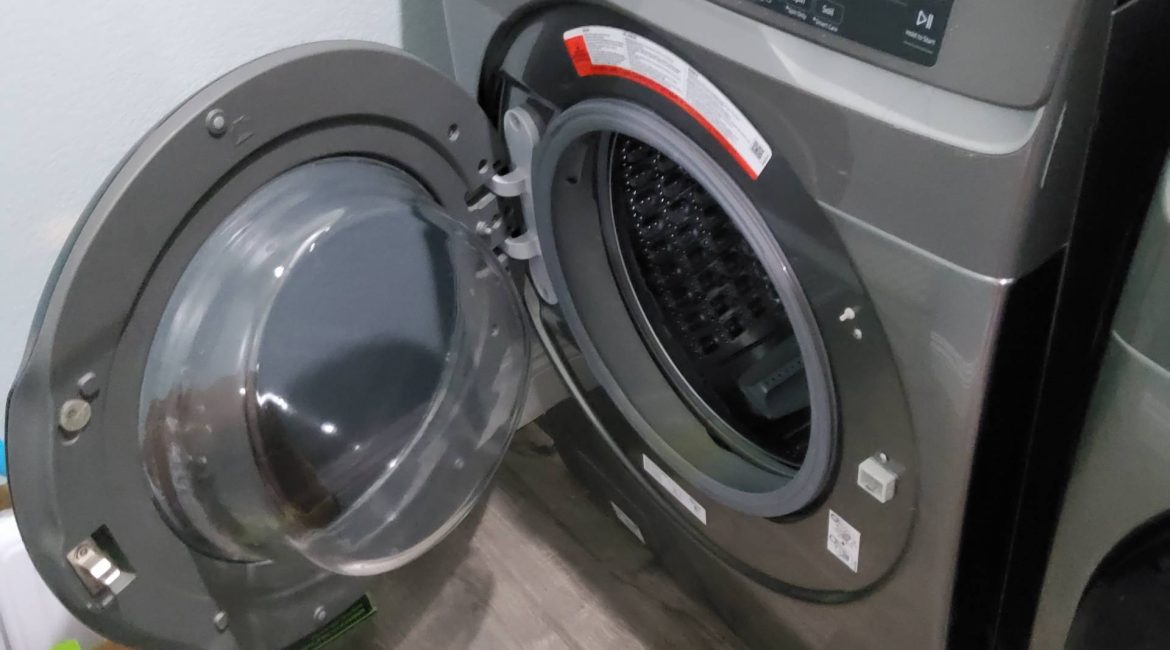
You’ve just finished a load of laundry. The clothes smell fresh, colors look bright, and everything feels soft. But as you fold your garments, you notice something odd: tiny fibers, fine lint, or fuzz appearing more frequently on shirts, towels, and bedding. At first glance, it might seem harmless, even inevitable. Yet, this subtle sign can indicate a filtration problem in your washing machine or dryer that many homeowners overlook — and ignoring it can impact your laundry quality, appliance efficiency, and even clothing longevity.
Understanding Filtration in Laundry Appliances
Both washing machines and dryers rely on effective filtration systems to capture fibers, lint, and debris released from fabrics during washing and drying. In washing machines, lint filters trap fibers before they can redeposit onto clothing or clog internal components. In dryers, lint screens prevent buildup in the vent system, reducing fire risk and maintaining airflow efficiency. Over time, these filters can become less effective due to accumulated residue, damage, or design limitations.
Fine lint appearing more frequently is often the first visible symptom of this decline. Unlike visible clumps of lint on towels, fine fibers may cling subtly to darker fabrics, accumulate inside dryer drums, or even appear in pockets of freshly washed clothes. While your laundry might seem “clean,” these micro-particles suggest your appliance isn’t fully capturing debris, which can signal an underlying filtration or ventilation issue.
Why Lint Accumulation Matters
You might wonder, “If my clothes still look clean, is it really a problem?” The answer is yes. Filtration issues can lead to multiple complications:
- Clothing wear and tear: Fine fibers rubbing back onto fabrics can weaken threads over time, causing pilling or reduced lifespan.
- Appliance inefficiency: Clogged or compromised filters make your washing machine or dryer work harder, increasing energy use and extending cycle times.
- Hidden hygiene risks: Lint can trap bacteria, detergent residues, or tiny allergens, reducing overall laundry freshness.
- Potential appliance damage: In dryers, excessive lint buildup in vents can cause overheating or even fire hazards.
Even subtle filtration issues should be addressed promptly, as they tend to worsen gradually. By the time lint becomes noticeable, minor repairs might have escalated into more significant problems.
Common Causes of Fine Lint Problems
Several factors contribute to the sudden increase of fine lint on clothing:
- Dirty or damaged filters: Over time, lint screens, trap filters, and internal washing machine filters can become clogged or torn.
- Overloading the machine: Crowding laundry reduces water circulation, washing effectiveness, and filtration efficiency.
- High-speed spins or delicate fabrics: Modern high-speed washers can dislodge more fibers, particularly from towels, sweatshirts, and synthetic blends.
- Vent blockages in dryers: If airflow is restricted, lint may redeposit on clothing instead of being expelled.
Regularly checking and cleaning filters, following load recommendations, and scheduling professional maintenance can help prevent these issues.
Steps Homeowners Can Take
While some measures can be taken by homeowners, they often require precision and attention to detail:
- Inspect and clean lint filters after every load in both washers and dryers. Remove trapped fibers, rinse screens with water, and ensure no tears or gaps exist.
- Check dryer vents periodically. Lint buildup inside vent hoses or external ducts can reduce efficiency and increase fire risk.
- Avoid overloading your washing machine, as tight loads prevent water from circulating and capturing fibers effectively.
- Use appropriate detergents for your fabric types; excessive residue can bind fibers and impair filtration.
- Schedule professional appliance maintenance. Experienced technicians can inspect internal filters, check water circulation, clean hidden lint traps, and identify wear in components that are difficult to reach.
Why Professional Service Makes a Difference
While simple lint removal can be done at home, subtle filtration problems often require professional attention. Technicians from certified appliance service centers can:
- Remove and deep-clean internal filters that are inaccessible to homeowners.
- Examine washing machine pumps, hoses, and connections for hidden lint accumulation.
- Inspect dryer vents and ducts for blockages and ensure proper airflow.
- Identify parts nearing failure that contribute to recurring lint problems.
Addressing these issues early prevents larger problems, improves laundry quality, and extends the lifespan of your appliances.
When to Call a Professional
If you notice persistent fine lint despite cleaning filters and following proper load guidelines, it’s time to contact experts. Don’t wait until your clothes show visible damage, cycles run longer, or energy bills rise.
The subtle filtration issue might seem minor, but it’s a sign that your appliances need professional attention. Oceanside Appliance Service Center provides expert inspections, filter replacements, and maintenance for washers and dryers, ensuring your laundry stays clean, fresh, and fiber-free.
Protect your clothes, efficiency, and appliance health — schedule a professional service today.
Contact us
