


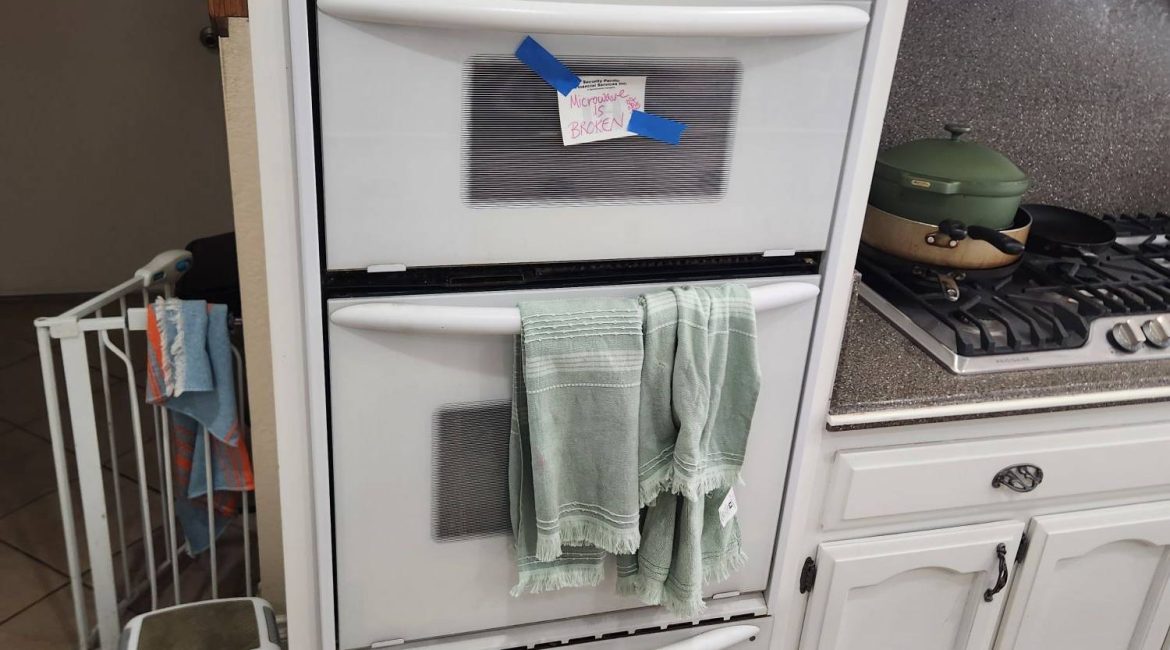
When your oven suddenly starts taking much longer to preheat, it’s easy to assume it’s simply showing its age. After all, if it still reaches the selected temperature eventually, many homeowners continue using it without giving the issue much thought. However, slow preheating is often one of the earliest signs that a critical heating component is beginning to fail.
An oven that once reached 350°F in 10–15 minutes but now requires 20–30 minutes is working harder than it should. This doesn’t only waste time—it also increases energy consumption, affects cooking quality, and places additional stress on internal components.
Why Preheating Time Matters
Modern ovens are designed to heat quickly and maintain a consistent temperature throughout cooking. During preheating, the control board monitors heat production using the temperature sensor while the bake element generates most of the heat.
If either component stops performing correctly, the oven may still operate but far less efficiently.
Longer preheating often means the oven is struggling to reach the desired temperature rather than heating normally.
Common Causes of Slow Preheating
Weak or Failing Bake Element
The bake element is responsible for producing the majority of the oven’s heat.
As it ages, the internal resistance changes. Even if the element still glows red, it may no longer generate enough heat to warm the oven efficiently.
Signs include:
- Longer preheat times
- Uneven baking
- Food cooking slower than recipes indicate
- Bottom of dishes remaining undercooked
Eventually, the element may stop heating altogether.
Faulty Temperature Sensor
The oven temperature sensor constantly reports internal temperature to the electronic control board.
If the sensor becomes inaccurate, it may tell the control board the oven is hotter than it actually is. The controller then reduces power to the heating element too early, extending preheat time and causing unstable cooking temperatures.
A faulty sensor often produces symptoms such as:
- Inconsistent baking
- Frequent temperature fluctuations
- Recipes requiring additional cooking time
- Oven appearing fully preheated before it truly reaches temperature
Worn Electrical Connections
Every heating cycle causes metal terminals and wiring to expand and contract.
After years of use, electrical connections may loosen or develop corrosion. Increased electrical resistance limits the power reaching the bake element, reducing heating performance without causing a complete failure.
These problems are usually invisible until a technician inspects the wiring.
Control Board Problems
The electronic control board determines when to energize the heating elements.
A failing relay or damaged circuit can interrupt power delivery, preventing the bake element from operating continuously during preheating.
Although less common than bake element failure, control board issues can produce nearly identical symptoms.
Other Factors That Can Increase Preheat Time
Several external conditions can also contribute:
- Frequently opening the oven door during preheating
- Damaged or worn door gasket allowing heat to escape
- Extremely low room temperatures
- Heavy cookware left inside during preheating
- Dirty oven interiors that interfere with heat circulation
While these factors may add a few minutes, they usually don’t explain a dramatic increase in preheat time.
Why Delaying Repairs Can Become Expensive
A slow-heating oven doesn’t usually stop working overnight. Instead, performance gradually declines.
Many homeowners adjust by simply waiting longer.
Unfortunately, this allows failing components to continue operating under greater strain.
A weak bake element can eventually burn out completely. An inaccurate sensor may cause food to overcook or remain unsafe to eat. Additional stress on the control board can also lead to more expensive electronic repairs.
Addressing the problem early is often far less costly than replacing multiple components later.
Can You Diagnose the Problem Yourself?
There are a few simple checks you can perform.
Notice whether the bake element glows evenly across its entire length. Look for blistering, cracks, or burned spots.
You can also compare actual oven temperature using an oven thermometer. If the displayed temperature differs significantly from the measured temperature, the sensor or calibration may require attention.
However, accurately testing heating elements, sensors, relays, and electrical circuits requires specialized diagnostic equipment and should be performed by qualified technicians.
Professional Diagnosis Saves Time
Because several different parts can create nearly identical symptoms, replacing components without testing often wastes both time and money.
Professional technicians inspect:
- Bake element performance
- Temperature sensor accuracy
- Electrical wiring
- Control board operation
- Door seal condition
- Overall heating efficiency
A complete diagnosis identifies the true source of the problem before unnecessary parts are replaced.
Keep Your Oven Performing Like New
Consistent preheating ensures even cooking, reliable baking results, and efficient energy use. If your oven now takes much longer to reach temperature than it did a few months ago, don’t ignore the warning signs.
The experienced technicians at Oceanside Appliance Service Center diagnose slow preheating problems quickly and accurately. Whether the issue involves a worn bake element, a faulty temperature sensor, damaged wiring, or an electronic control problem, professional repairs restore reliable performance and help prevent larger failures.
Contact Oceanside Appliance Service Center today to schedule expert oven repair and get your kitchen back to cooking efficiently.
Contact us
