

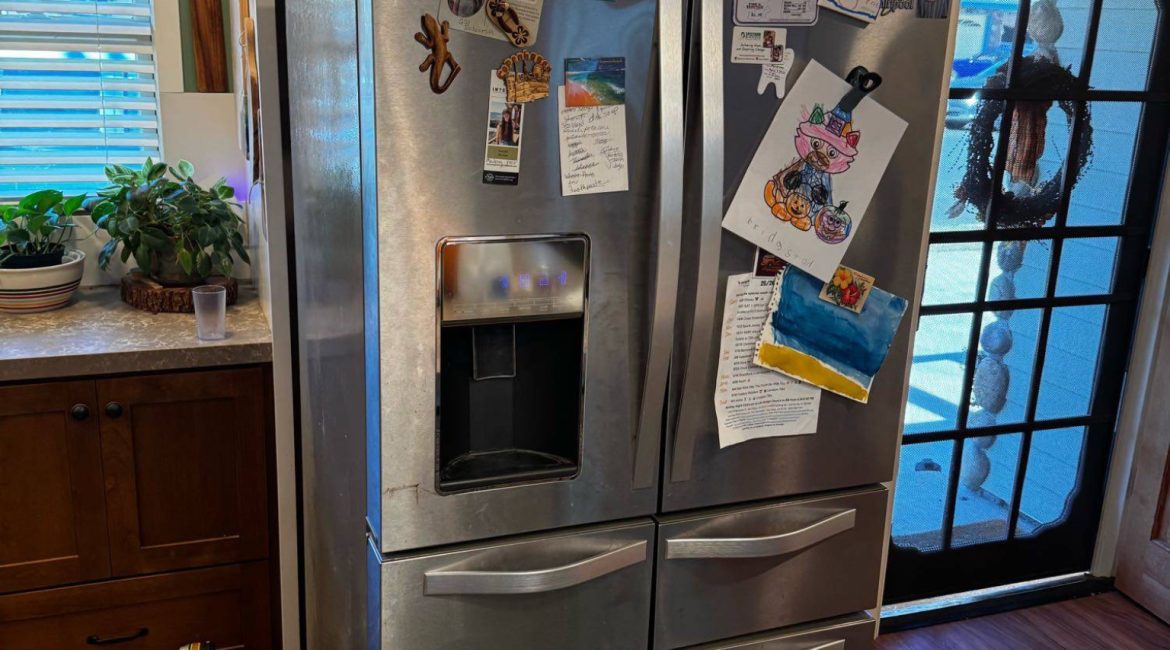
A refrigerator is one of the few home appliances that works around the clock, keeping your food fresh, safe, and ready to use. Because it operates continuously, even minor issues can gradually develop into bigger problems. One of the most common signs that something is wrong is an unusual vibrating or buzzing noise. While some level of sound is normal, especially during compressor cycles or fan operations, a persistent vibration is a red flag worth immediate attention.
In many modern refrigerators, vibrating noises usually point to two key problems: loose condenser components or the appliance touching the surrounding wall panels. Both issues may seem minor at first, but if ignored, they can lead to more serious complications, reduced efficiency, or even damage to internal parts.
Understanding why these noises occur and how you should react can help you avoid costly repairs and maintain the long-term performance of your refrigerator.
Why Vibrating Noises Appear
A refrigerator produces several types of operational sounds, but a vibrating noise specifically indicates that a part inside the appliance is shaking, rattling, or resonating against another surface. The vibration does not only shorten the appliance’s lifespan but can also lead to temperature instability.
There are several reasons why this happens:
1. Loose Condenser Components
The condenser is a critical part of your refrigerator’s cooling system. It consists of condenser coils, a fan, mounting brackets, and sometimes a small motor. Over time, especially due to constant cycling, some components may loosen. Even slightly loose screws or worn brackets can cause the condenser assembly to rattle when the compressor engages.
A loose condenser fan blade can vibrate against nearby surfaces, leading to a loud buzzing or humming. If the motor mount is unstable, the vibration becomes even stronger.
This problem often becomes more noticeable when the fridge shifts slightly out of position or when placed on uneven flooring, which exaggerates any internal imbalance.
2. The Refrigerator Touching Walls or Cabinet Panels
Another frequent cause of vibrating noise is the fridge’s exterior touching the wall, kitchen island, or built-in cabinetry. Vibrations from the compressor travel through the appliance body and resonate against hard surfaces. Even a slight contact point can create a loud vibration, especially during cooling cycles.
This issue is often overlooked because homeowners tend to push appliances tightly against the wall to save space. However, most manufacturers recommend leaving several centimeters of clearance for proper ventilation and noise reduction.
How These Issues Affect Your Refrigerator’s Performance
Ignoring vibration problems may seem harmless, but they can trigger deeper issues such as:
• Reduced cooling performance
If the condenser fan is loose or obstructed, it may struggle to remove heat efficiently. This forces the compressor to work harder, increasing noise, energy usage, and wear.
• Higher energy bills
Excessive vibration often means the fridge is straining. A struggling compressor can dramatically raise your electricity consumption.
• Damage to internal components
Loose parts can eventually break apart, leading to motor failure, fan malfunction, or refrigerant leaks.
• Shortened appliance lifespan
Refrigerators depend on stable internal mechanisms. When parts shake continuously, their durability drops significantly.
• Overheating risks
A condenser blocked by vibration-related issues may overheat. Overheating increases the risk of abrupt shutdowns and expensive repairs.
What You Can Do Before Calling a Technician
Although professional repair is the safest solution, there are a few checks you can perform:
1. Ensure Proper Clearance
Move the refrigerator slightly away from the wall. Leave at least 5–10 cm of space around the back and sides. Check if the vibration decreases.
2. Level the Appliance
Uneven flooring can amplify vibration. Adjust the fridge’s leveling legs until it stands firmly without rocking.
3. Check for Loose Items Inside or On Top
Sometimes the noise comes from jars, containers, or items on top of the fridge. Remove everything and listen again.
If the sound persists, the issue is likely inside the condenser system and requires professional attention.
Why Professional Service Is Necessary
Diagnosing loose condenser components is not a simple DIY task. A trained technician will:
- Inspect condenser coils, fan blades, motor mounts, and brackets
• Tighten or replace worn parts
• Identify hidden blockages
• Ensure proper ventilation and leveling
• Test the cooling system to verify performance
Addressing vibrating noises quickly prevents more expensive breakdowns in the future.
If your refrigerator has started making vibrating noises or you suspect loose condenser components, do not wait until the problem worsens. Contact Oceanside Appliance Service Center for fast, professional diagnostics and reliable repair. Your fridge deserves expert care, and our team is ready to restore peace and quiet in your kitchen.
Contact us