

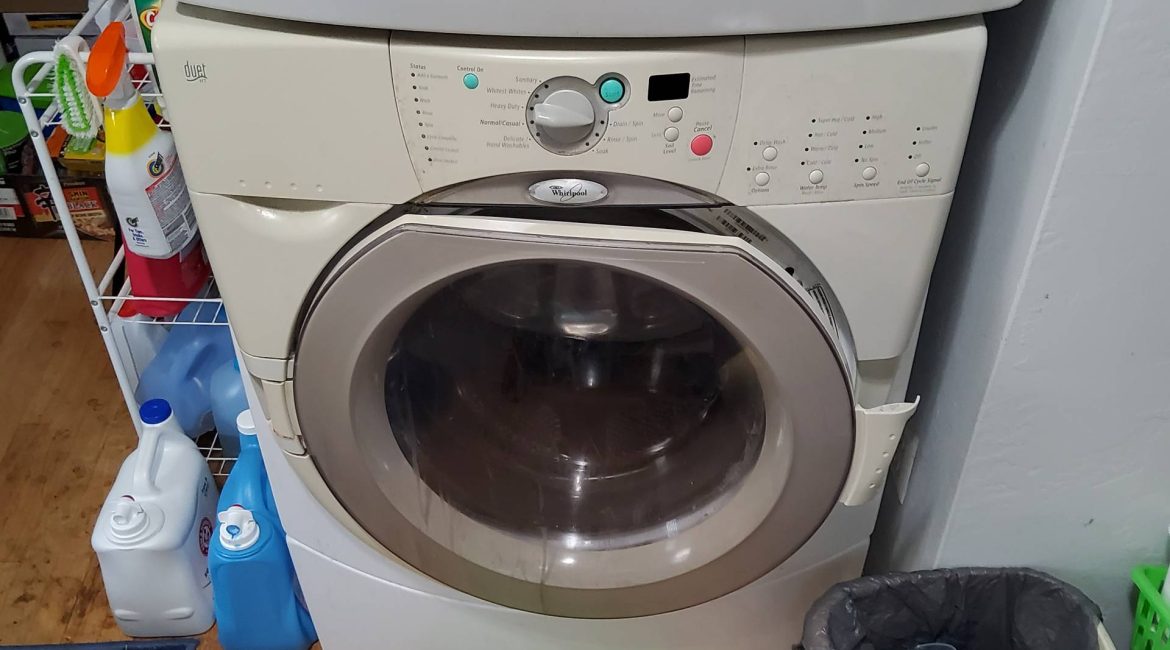
On the surface, everything looks fine. Your washing machine doesn’t rattle, it doesn’t leak onto the floor, and the clothes come out smelling like mountain breeze. But a look at your monthly utility bill tells a different story. If your water consumption is creeping upward despite your laundry habits remaining the same, your appliance is likely suffering from a “silent” efficiency loss.
While a catastrophic breakdown is easy to spot, a slow decline in performance is more dangerous. It’s the difference between a sudden burst pipe and a slow drip; the latter often goes unnoticed until the cumulative damage—to your finances and the environment—is significant.
The Mechanics of Efficiency Loss
Modern washing machines are precision instruments. They use sensors to determine load weight and soil levels, adjusting water intake to the milliliter. When these systems begin to fail, the machine doesn’t necessarily stop working; it just works harder and less intelligently.
Several internal factors can cause a “stable” machine to waste water:
- Pressure Switch Malfunction: This component tells the machine when it has reached the correct water level. If it’s coated in limescale or the air tube is partially blocked, it may signal for more water than necessary, leading to overfilling.
- Inlet Valve Seepage: A worn-out inlet valve might not close completely. Even if it’s just a trickle, water can continue to enter the drum throughout the cycle, forcing the pump to work overtime to drain the excess.
- Sensor Inaccuracy: In high-efficiency (HE) models, turbidity sensors check how dirty the water is. If these sensors are clouded by detergent buildup or hard water deposits, they may trigger extra, unnecessary rinse cycles.
The Ripple Effect: Why It Matters
It is tempting to ignore a minor increase in water usage if the machine is still “doing its job.” However, efficiency loss is never isolated to just one resource.
1. Increased Energy Consumption
Most of the energy used by a washing machine goes toward heating the water. If your machine is pulling in 20% more water than it needs, your water heater is working 20% harder to bring that volume up to temperature. You aren’t just paying for the water; you’re paying for the electricity or gas to heat it.
2. Detergent and Fabric Wear
Excessive water can dilute detergent to the point of ineffectiveness, leading many homeowners to use more soap. This creates a vicious cycle of “oversudsing,” which requires even more rinse water to clear. Furthermore, longer cycles and extra rinses mean more mechanical agitation, which thins out fabric fibers and fades your clothes faster.
3. Environmental Impact
The average household does about 300 loads of laundry per year. A machine that wastes even three gallons per load adds nearly 1,000 gallons of unnecessary water waste to your annual footprint. In an era where water conservation is increasingly critical, maintaining appliance efficiency is a matter of environmental stewardship.
The Warning Signs
How do you know if your machine is losing its edge? Aside from the bill, watch for these subtle cues:
- Extended Cycle Times: If a “Normal” cycle that used to take 45 minutes now takes over an hour, the machine is likely struggling with water regulation.
- Excessive Suds: If you see suds at the end of a cycle, the rinse phase isn’t clearing the drum effectively.
- Dampness Levels: If clothes are coming out significantly wetter than usual, the pump or the sensors may be failing to manage the water volume during the spin cycle.
Prevention Through Maintenance
Efficiency loss is often preventable. Regularly cleaning the drain filter, using the correct amount of HE detergent, and running a monthly descaling cycle can keep sensors and valves in peak condition. However, once mechanical wear begins, “DIY” fixes are often just Band-Aids.
Internal components like pressure switches and solenoid valves require professional calibration. Ignoring these small mechanical drifts doesn’t just waste water—it places undue stress on the motor and transmission, eventually leading to a total (and expensive) mechanical failure.
Professional Care for Peak Performance
Your washing machine is one of the most hardworking assets in your home. When it starts to lose efficiency, it’s signaling that it needs expert attention. At Oceanside Appliance Service Center, we specialize in identifying the subtle mechanical shifts that lead to resource waste. Our technicians don’t just fix what’s broken; we restore your appliances to their factory-standard efficiency, saving you money and extending the life of your wardrobe.
Don’t wait for a flood to take action. If your water bills are rising and your machine seems to be working overtime, it’s time for a professional tune-up.
Contact Oceanside Appliance Service Center today to schedule a comprehensive efficiency diagnostic and keep your home running smoothly.
Contact us
