


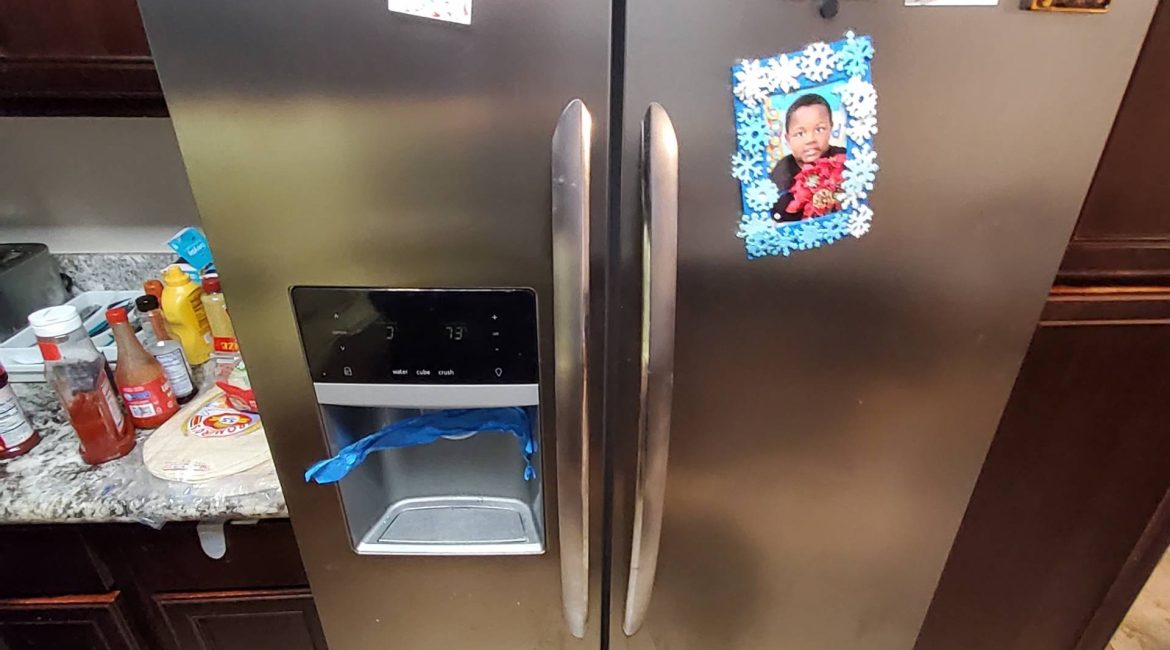
Modern refrigerators are designed to maintain a steady temperature, keeping your food cool and safe for longer. However, many homeowners notice that even when the temperature seems perfect, certain items, like leafy greens, bread, or cheese, lose texture and freshness faster than expected. This problem is often caused not by the cooling system itself, but by a less obvious factor: micro-humidity imbalance inside the appliance.
Humidity plays a crucial role in food preservation. Different types of food require different humidity levels to maintain texture and prevent spoilage. For example, vegetables generally need higher humidity, while fruits often fare better in a drier environment. When your refrigerator maintains a constant temperature but allows humidity levels to fluctuate, moisture either accumulates or evaporates unevenly. Over time, this subtle imbalance can dry out foods or make them soggy, ultimately affecting taste, texture, and shelf life.
Micro-humidity imbalance can occur due to several reasons. One common cause is a malfunctioning door seal. Even a minor gap allows external air to enter, introducing excess moisture or drying the interior depending on the surrounding environment. Another frequent culprit is a blocked or inefficient airflow system. Refrigerators rely on properly circulating air to maintain both temperature and humidity consistency. If vents are obstructed by containers or frost buildup, the air distribution becomes uneven, causing localized areas of high or low humidity.
Another factor is the refrigerator’s internal design. Some fridges combine multiple zones—such as crisper drawers, deli compartments, or freezer sections—each designed to maintain a specific microclimate. If sensors or dampers in these zones fail, the humidity balance can be disrupted, leading to accelerated drying or sogginess. Similarly, if the appliance’s automatic defrost cycle is not functioning correctly, condensation may collect and evaporate irregularly, further contributing to micro-humidity fluctuations.
Detecting micro-humidity issues can be tricky. Since the temperature remains stable, most users don’t suspect a problem until they notice subtle changes in food texture. Vegetables may become limp, leafy greens may wilt, cheese may harden, and baked goods may stale faster than expected. In some cases, excessive moisture may even cause condensation on the packaging or encourage mold growth. Unlike obvious cooling failures, these symptoms often develop gradually, making the underlying humidity problem harder to identify.
Addressing micro-humidity imbalances requires careful inspection and, in many cases, professional servicing. First, check the door seals and gaskets for cracks, gaps, or dirt that could compromise airtightness. Ensure vents and airflow channels are unobstructed and clean, allowing for consistent circulation of cold air. If your refrigerator has separate humidity-controlled drawers or compartments, confirm that settings are appropriate for the type of food stored and that any internal dampers or sensors are functioning properly.
Sometimes, the issue stems from internal components such as humidity sensors, fans, or dampers that have worn out or lost calibration. In these cases, only a trained technician can accurately diagnose and correct the problem. Professionals use specialized tools to measure humidity levels throughout the refrigerator and restore proper balance, preventing further degradation of food quality. Attempting repairs without the right expertise can risk damaging the appliance or voiding the warranty.
Ignoring micro-humidity imbalances may not immediately stop your refrigerator from cooling, but it can have long-term effects. Food spoilage increases, leading to more waste and higher grocery bills. In addition, persistent moisture or dryness can strain certain components over time, affecting overall performance and efficiency. Addressing the problem early ensures that your refrigerator continues to protect your food effectively while extending the appliance’s lifespan.
In summary, even when your refrigerator maintains stable temperatures, an internal micro-humidity imbalance can compromise food quality. Recognizing the subtle signs—changes in texture, unexpected moisture buildup, or faster spoilage—can help you take timely action. Regular inspection, proper use of compartments, and professional servicing are key to keeping humidity levels consistent and food fresher for longer.
If you notice your foods losing texture faster than they should, don’t wait for the problem to worsen. Call Oceanside Appliance Service Center today. Our experienced technicians can diagnose micro-humidity issues and restore your refrigerator to optimal performance, keeping your food fresh and your appliance running efficiently for years to come.
Contact us
