

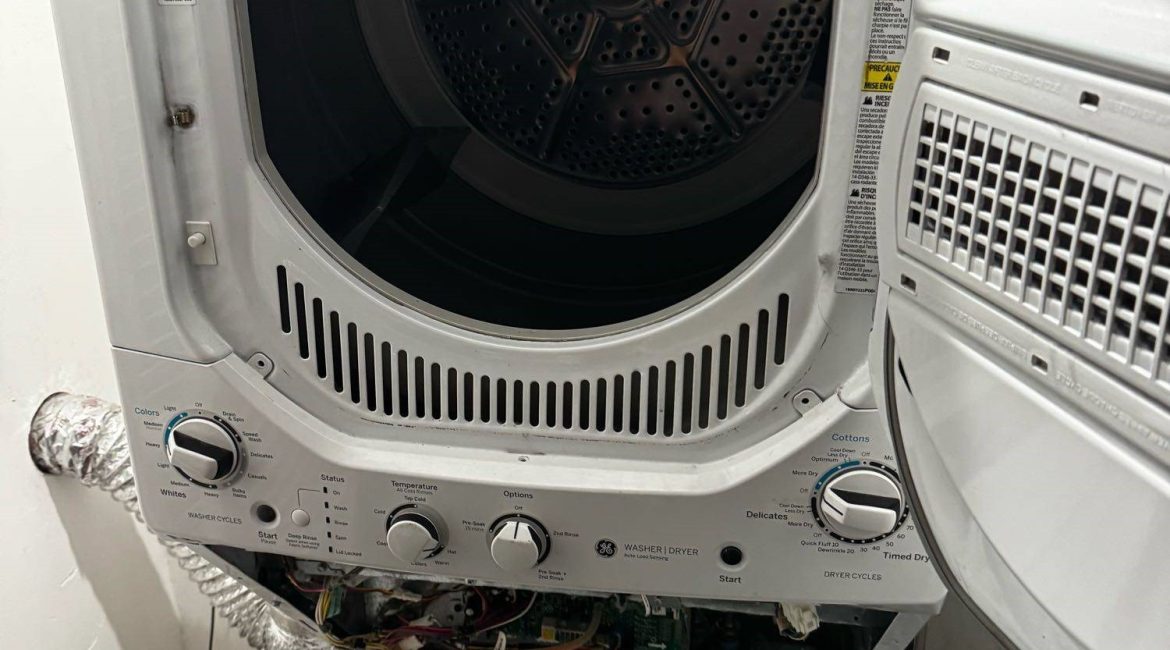
Many homeowners trust their washing machines to complete cycles efficiently and safely. When the drum stops spinning, clothes come out damp but manageable, and the machine appears to have done its job. But what if the cycle finishes and water remains trapped inside hoses, unnoticed and silently causing damage? This common yet overlooked issue can gradually undermine your washing machine’s performance, reduce its lifespan, and even lead to costly repairs.
Why water remains trapped
Water retention in washing machine hoses is often subtle. Unlike visible leaks or standing water in the drum, this trapped water hides in the inlet or drain hoses, crevices, or pump assemblies. It occurs for a variety of reasons, including partial blockages, kinks in the hose, improper installation, or even a failing pump. While the machine completes cycles normally, the trapped water creates an environment where internal components are continuously exposed to moisture.
The slow damage it causes
- Mold and mildew growth: Standing water inside hoses becomes a breeding ground for mold and mildew. Over time, this can produce musty odors that transfer to your laundry. This is not only unpleasant but can also affect the hygiene of your clothes.
- Corrosion and rust: Even hoses labeled as “anti-corrosion” are not immune. Continuous contact with water accelerates rust formation on metal clamps, connectors, and internal pump parts. Corrosion can weaken these components, leading to leaks or mechanical failure.
- Hose deterioration: Rubber and plastic hoses degrade faster when water is trapped inside them. The constant moisture can cause cracking, bulging, or brittleness, increasing the risk of bursts during cycles.
- Drainage system stress: When water cannot flow freely, the pump works harder to push liquid through partially obstructed hoses. This additional strain shortens the lifespan of the pump and may eventually cause complete failure, leaving laundry wet or preventing cycles from finishing properly.
- Hidden leaks: Over time, trapped water can seep into areas not designed to get wet, such as under the drum or into the machine cabinet. This often results in slow leaks that may go unnoticed until significant damage occurs.
Early signs to watch for
Although this issue can remain hidden for months, careful observation can prevent major problems. Look for the following indicators:
- Musty odors coming from the machine, even after a full cycle.
- Water pooling behind or underneath the washer.
- Clothes remaining wetter than usual at the end of a cycle.
- Frequent clogs in the drainage system or irregular spin cycles.
- Hoses that feel unusually soft or swollen when pressed.
If you notice any of these signs, it’s time to inspect the hoses and the pump, even if the washing machine appears to be functioning normally.
Preventive measures
Regular maintenance can save money and prevent inconvenience. Here are key steps:
- Check hoses periodically: Inspect both inlet and drain hoses for blockages, cracks, or kinks. Replace damaged hoses immediately.
- Clean the drainage system: Run a cleaning cycle using a washing machine cleaner to remove detergent residue and debris that could block hoses.
- Ensure proper installation: Make sure hoses are positioned correctly, with no sharp bends or pinches that impede water flow.
- Use high-efficiency detergent carefully: Excess detergent can cause residue buildup inside hoses, slowing drainage.
- Professional inspection: Even with regular checks, a certified appliance technician can detect hidden water retention issues before they escalate.
Why professional help matters
Many homeowners underestimate how crucial proper maintenance is. A trapped water issue may seem minor at first, but over months, it can compromise multiple components of your washing machine. Professional service ensures the hoses are correctly installed, pumps are functioning properly, and internal water flow is unrestricted. Addressing these issues early prevents more costly repairs or even complete replacement of the machine.
A washing machine that finishes its cycle without visible problems can still harbor hidden risks. Water trapped inside hoses may seem harmless, but over time it can lead to mold growth, corrosion, hose failure, and pump damage. Regular inspections, preventive cleaning, and timely professional service are essential to maintain efficiency, prolong lifespan, and protect your investment.
Don’t wait until your washing machine breaks down unexpectedly. Schedule a professional inspection today to ensure your appliances are safe and efficient.
Contact Oceanside Appliance Service Center to inspect your washing machine and prevent hidden water damage. Our certified technicians identify and resolve water retention issues before they become expensive problems.
Contact us
