


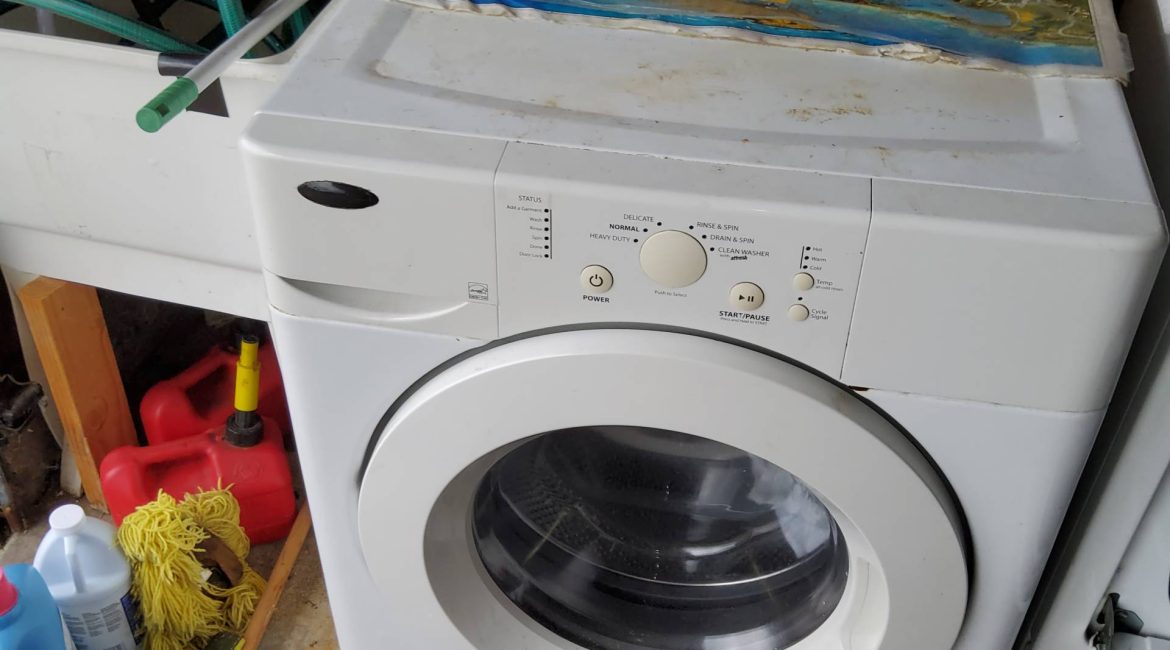
Your washing machine may seem to operate perfectly: it fills, washes, rinses, and spins without error. Yet after a cycle, you notice something slightly off — your clothes feel stretched, misshapen, or softer than usual. While this may seem minor, it can indicate underlying mechanical or operational issues that shouldn’t be ignored. Understanding the causes can help prevent further damage to your garments and your appliance.
One common reason for stretched clothes is over-agitation during the wash cycle. Washing machines rely on drum movement to clean clothes, but if the drum spins too aggressively, delicate fabrics may experience tension that stretches fibers. Over time, repeated cycles with excessive agitation can permanently damage garments. High-speed wash cycles intended for durable fabrics are particularly hard on lightweight materials like t-shirts, sweaters, or fitted clothing.
Another possible factor is imbalanced loads. A washer depends on evenly distributed weight to spin correctly. When clothing is unevenly packed or heavy items are washed together with lighter ones, the drum may wobble or spin erratically. This creates uneven tension on fabrics, leading to stretching or deformation. Even if your machine appears to run normally, subtle vibrations can stress clothing fibers, especially in modern high-speed models.
Water temperature can also play a role. Hot water is effective at removing stains, but repeated exposure can weaken fibers in cotton, wool, or synthetic blends. When combined with vigorous spinning, hot water can cause fabrics to stretch or lose their shape. For delicate or stretch-prone clothing, using cooler water and gentler cycles can reduce strain.
Worn or malfunctioning components inside the washing machine may also contribute. Over time, parts like drum bearings, suspension springs, or belts can degrade. This can result in subtle irregular drum movement that puts extra stress on fabrics. Similarly, if the drum isn’t perfectly aligned, even normal cycles can create uneven tension on clothing. These mechanical issues may start small, making clothes feel only slightly stretched, but left unaddressed, they can worsen over time and lead to costly repairs.
Fabric type and washing practices matter too. Stretchy fabrics such as spandex or elastane are particularly sensitive to tension. Overloading the machine, using heavy detergent, or leaving clothes in the washer too long can exacerbate stretching. Following manufacturer recommendations for load size, cycle selection, and detergent use is key to preserving garment integrity.
Signs that your washer may be contributing to stretched clothing include:
- Clothes emerging slightly larger or misshapen than before.
- Consistent stretching in certain garments or fabrics.
- Slight drum vibration or unusual noises during cycles.
- Increased wear and tear on clothing over multiple washes.
Addressing the problem early is crucial. Start by evaluating your washing habits: avoid overloading the drum, separate delicate and heavy items, and choose gentler cycles for stretch-prone fabrics. Pay attention to water temperature and avoid excessive heat unless necessary.
If these adjustments don’t help, it’s worth inspecting the machine for mechanical issues. A professional technician can check drum alignment, suspension components, bearings, and belts to ensure smooth operation. Regular maintenance, including cleaning filters, checking hoses, and inspecting for wear, can prolong your machine’s lifespan and prevent subtle stresses from turning into major problems.
Ultimately, slightly stretched clothing is more than a nuisance — it’s an early warning that your washing machine may need attention. Ignoring subtle signs can lead to costly repairs and permanent damage to favorite garments. By combining careful laundry practices with professional inspection when needed, you can protect both your clothes and your appliance.
For reliable service and expert diagnosis, contact the Oceanside Appliance Service Center. Their trained technicians can identify and fix issues causing fabric strain, ensuring your washer runs efficiently and keeps clothes in the best condition possible. Don’t wait for small problems to grow — professional care can save you time, money, and frustration.
Contact us
