

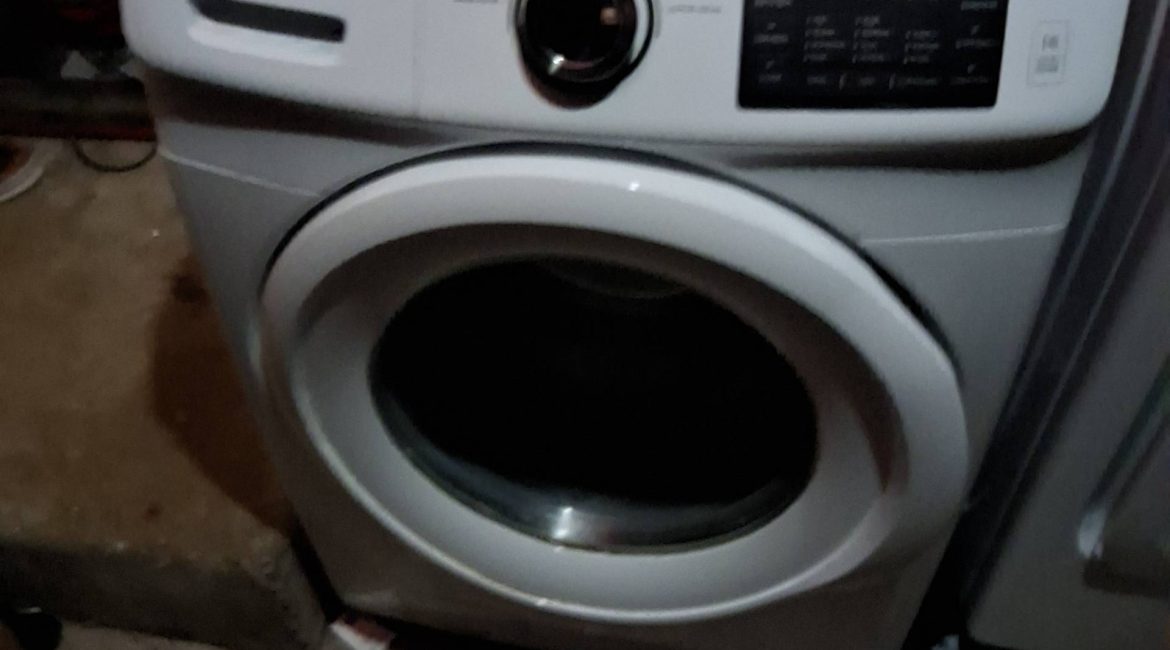
A washing machine is one of the most used appliances in a household, and any unusual noise can be alarming. If your washing machine makes a grinding noise during the spin cycle, it is more than just a minor inconvenience — it can be a sign of internal damage that may worsen if not addressed promptly. Understanding the common causes of this issue can help you protect your appliance and prevent costly repairs.
1. Worn Drum Bearings
One of the most common reasons for a grinding noise during the spin cycle is worn drum bearings. Bearings allow the drum to rotate smoothly, but over time, they can wear out due to heavy use or insufficient lubrication. Signs of failing bearings include:
- A loud grinding or rumbling noise during spinning.
- Drum wobbling or uneven rotation.
- Water leakage near the drum.
If ignored, worn bearings can damage other parts of the washing machine, including the drum shaft and motor. Replacing bearings is a complex task that usually requires professional assistance.
2. Foreign Objects in the Drum or Pump
Small items such as coins, buttons, or screws can slip into the drum, filter, or pump, causing grinding noises. While this may seem minor, these objects can:
- Scratch the drum or the inner tub.
- Block the pump, preventing proper drainage.
- Strain the motor during the spin cycle.
Regularly checking pockets before washing and inspecting the drum and filter can prevent these issues. If you hear a grinding noise, stop the machine immediately and check for trapped items.
3. Damaged Drum Shaft or Pulley
The drum shaft and pulley are essential for spinning the drum at high speeds. Damage to these components can produce a grinding or scraping sound. Common causes include:
- Excessive load in a single wash cycle.
- Misaligned pulley due to worn belts.
- Rust or corrosion affecting metal parts.
A damaged drum shaft or pulley can cause uneven spinning, vibrations, and increased wear on other internal parts. Professional inspection is recommended to avoid further damage.
4. Failing Motor Coupling
Many washing machines use a motor coupling to connect the motor to the drum. Over time, this coupling can break or wear out, especially if the machine is overloaded frequently. Symptoms include:
- Grinding or rattling noises during the spin.
- Drum stops or slows unexpectedly.
- Burning smell or motor overheating.
Replacing the motor coupling is necessary to restore proper operation and prevent motor damage.
5. Worn Drive Belt
A worn or loose drive belt can slip during the spin cycle, creating a grinding or squealing noise. This issue is common in older belt-driven washing machines. Signs of belt problems include:
- Loud grinding during high-speed spinning.
- Drum spinning inconsistently or not at all.
- Visible wear, fraying, or stretching of the belt.
Replacing a worn belt is a relatively inexpensive fix, but it must be done correctly to ensure smooth operation.
6. Damaged Pump or Motor
In some cases, the grinding noise may come from the washing machine pump or motor. Pumps help drain water efficiently, while motors power the spinning drum. Problems can arise from:
- Blocked or jammed pump impellers.
- Motor bearings wearing out.
- Internal electrical faults causing unusual vibrations.
Grinding noises from pumps or motors require immediate attention, as continued use can lead to total machine failure.
Preventing Grinding Noise in Washing Machines
To minimize the risk of internal damage, follow these maintenance tips:
- Avoid overloading the washing machine. Follow the manufacturer’s weight limits for each cycle.
- Inspect pockets for coins, keys, and small objects before washing.
- Clean the pump filter regularly to prevent blockages.
- Balance loads properly to reduce strain on the drum and bearings.
- Schedule regular professional maintenance to catch wear and tear early.
When to Call a Professional
If your washing machine makes a grinding noise during the spin cycle, attempting a DIY fix without proper knowledge can worsen the problem. A trained technician can:
- Diagnose the exact source of the grinding.
- Replace worn bearings, belts, or motor couplings.
- Ensure all components are aligned and functioning correctly.
Ignoring these issues can lead to major repairs or the need for a complete replacement, which is far more costly than timely service.
Grinding noises during the spin cycle are often an early warning of serious internal damage. Common culprits include worn drum bearings, foreign objects, damaged pulleys, motor coupling issues, and worn belts. Addressing these problems promptly with the help of professionals ensures the longevity of your washing machine and prevents expensive repairs.
For residents in Oceanside and nearby areas, the Oceanside Appliance Service Center offers expert repair services for all types of washing machine problems. Don’t wait until the noise turns into a major breakdown — schedule a professional inspection today and keep your laundry running smoothly.
Contact us
