

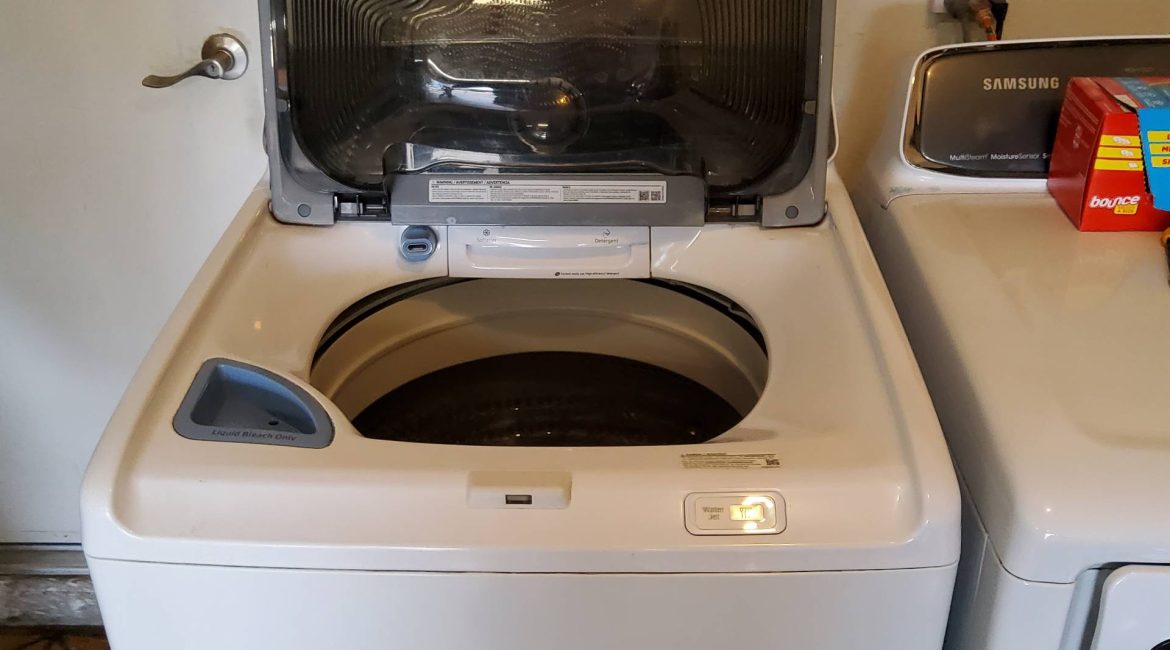
A washing machine that overfills with water can turn a routine laundry day into a stressful experience. Pools of water on the floor, soaked laundry, or even the risk of electrical damage make this a problem that shouldn’t be ignored. Understanding why your washing machine is overfilling can help prevent more serious issues and avoid costly repairs.
One of the most common causes of overfilling is a malfunctioning water inlet valve. The water inlet valve controls the flow of water into the washing machine. It opens to allow water in at the start of a cycle and shuts off once the correct level is reached. If the valve is defective, it can remain partially open even when the machine thinks it has filled to the proper level. This can result in continuous water flow, overfilling, and potential flooding. Signs of a faulty valve include water entering the machine even when it is turned off, strange noises during filling, or water that keeps rising past the usual level.
Another likely culprit is the pressure switch, also called a water level switch. This component monitors the amount of water in the drum and signals the machine to stop filling when the desired level is reached. The pressure switch works with a small tube connected to a drum or sump that senses water pressure. If the switch is blocked, damaged, or malfunctioning, it can fail to detect the water level accurately, causing the washer to overfill. Common signs of a pressure switch problem include inconsistent water levels, failure to advance to the next cycle, or error codes on modern machines.
Sometimes, the issue can be simple blockages or hose problems. The tube that connects the drum to the pressure switch can become clogged with detergent residue, lint, or mineral buildup. Even small obstructions can prevent accurate pressure readings, triggering overfill. Regular inspection and cleaning of this hose can prevent such issues and extend the life of your machine.
It’s also worth noting that user errors can sometimes contribute to overfilling. Using too much detergent, or the wrong type for your washer, can create excessive suds. This sudsing can confuse the pressure switch, making it think the drum isn’t full yet, prompting more water to enter. Always follow the detergent manufacturer’s guidelines and your washer’s instructions for optimal results.
Addressing an overfilling washer isn’t just about convenience — it’s a safety concern. Excess water can leak onto the floor, creating slip hazards or damaging flooring. In machines with electrical components, standing water increases the risk of short circuits or component failure. Prompt attention is necessary to prevent escalating damage or the need for a complete washer replacement.
If you suspect a water inlet valve or pressure switch issue, it’s crucial to turn off the machine and disconnect it from power. While some minor tasks, like cleaning the pressure tube, can be done safely, repairing or replacing valves and switches requires technical knowledge. Attempting to fix these components without experience can lead to injury or further damage to the machine.
Professional repair technicians can diagnose the exact cause of overfilling quickly. They use specialized tools to test the water inlet valve’s functionality and the pressure switch’s responsiveness. In many cases, replacing a faulty valve or switch resolves the problem entirely. Technicians can also clean or replace the pressure tube if necessary and inspect the machine for other potential issues, ensuring a comprehensive solution.
Regular maintenance is the best way to prevent overfilling problems. Periodically inspecting hoses, valves, and the pressure switch can catch minor issues before they escalate. Avoid overloading the washer or using excessive detergent, and run cleaning cycles to remove residue from internal parts. These steps can prolong the machine’s lifespan and keep your laundry routine trouble-free.
In summary, a washing machine that overfills with water is usually caused by a faulty water inlet valve, a malfunctioning pressure switch, or blockages in the pressure sensing system. While user errors like excess detergent can exacerbate the issue, consistent maintenance and professional inspection are key to preventing serious problems. Addressing these issues promptly not only protects your home but also ensures your washer continues to operate efficiently for years to come.
If your washing machine is overfilling, don’t wait until water damage occurs. Contact the Oceanside Appliance Service Center today to schedule a professional repair. Our trained technicians will quickly diagnose and fix the problem, restoring your washer to safe, reliable operation.
Contact us
