

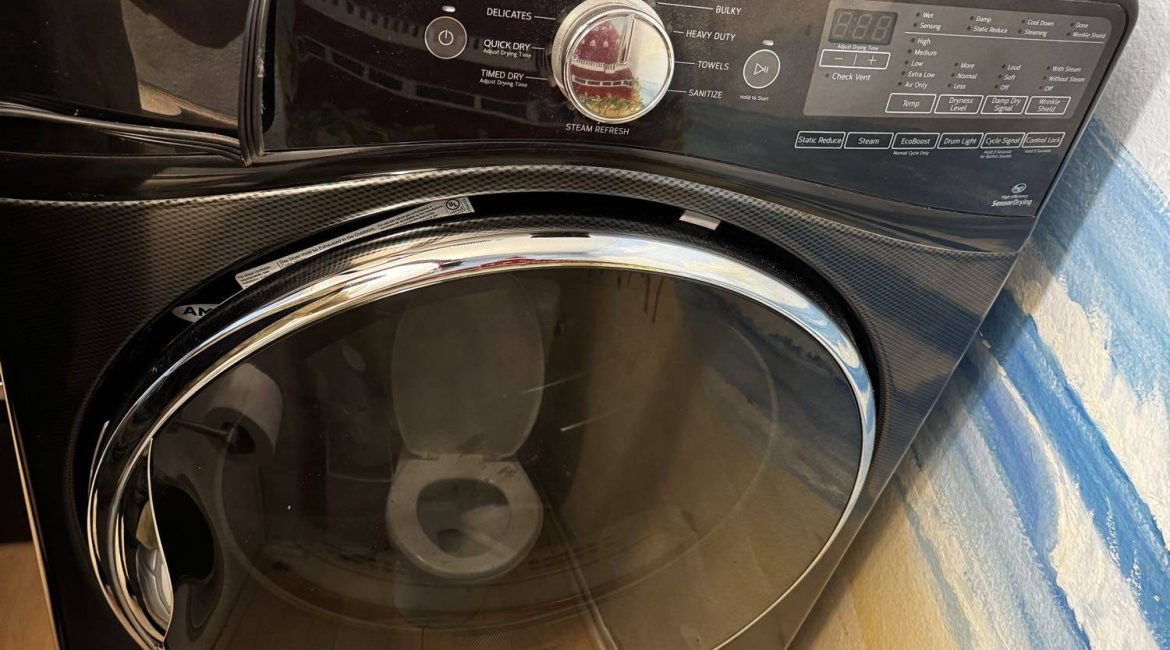
A washing machine that powers on, fills with water, and begins a cycle normally but suddenly shuts down a few minutes later usually points to an internal electrical or thermal problem. In many cases, the machine is trying to protect itself from overheating, unstable voltage flow, or a failing electronic component. While the issue may appear random at first, repeated shutdowns are a sign that something inside the system is no longer operating safely.
Modern washing machines rely on multiple electronic systems working together at the same time. The motor, heating element, sensors, drain pump, and control board constantly exchange signals during operation. If one component overheats or sends incorrect feedback, the washer may stop mid-cycle to prevent further damage.
Understanding the most common causes can help identify whether the problem is minor or requires professional repair.
Overheating Motor Problems
One of the leading causes of sudden shutdowns is an overheating drive motor. During the wash or spin cycle, the motor works continuously under load. If it becomes too hot, an internal thermal protector may automatically shut the machine down.
Several conditions can cause excessive motor heat:
- Worn motor bearings
- Internal electrical shorts
- Restricted drum movement
- Overloaded laundry
- Failing motor windings
When this happens, the washer may stop completely and refuse to restart for several minutes. After cooling down, it may turn back on and repeat the same failure during the next cycle.
A burning smell, humming sound, or weak spinning performance often appears before total shutdowns become frequent.
Faulty Control Board
The main control board acts as the brain of the washing machine. It manages cycle timing, water levels, motor speed, temperature, and safety functions. If the board develops damaged relays, overheated circuits, or moisture-related corrosion, the machine may abruptly lose power during operation.
Control board failures are especially common in machines exposed to:
- Power surges
- High humidity
- Water leaks
- Poor ventilation
- Aging electrical components
In some cases, the display panel may flicker before shutdown. Other machines simply turn off without warning and appear completely dead until power is reset.
Because many board failures happen internally, visual inspection alone may not reveal the problem. Professional diagnostic testing is often required to confirm whether the board is sending incorrect signals or failing under heat stress.
Overheating Heating Element
Washers with internal water heaters can also shut down when the heating element overheats or malfunctions. If mineral buildup forms around the element, heat transfer becomes inefficient. The component may draw excessive power and trigger safety protection systems.
A defective thermostat or temperature sensor can make the problem worse by allowing temperatures to rise beyond safe limits.
Common signs include:
- Shutdown during hot water cycles
- Error codes related to temperature
- Water remaining cold despite heater activation
- Burning electrical odors
Ignoring these symptoms may eventually damage wiring or the control board itself.
Drain Pump Overload
A partially blocked or failing drain pump can overheat during operation. When the washer attempts to remove water, the pump motor may struggle against debris, lint buildup, or internal wear.
As heat increases, the washer may stop mid-cycle to prevent electrical damage.
Typical warning signs include:
- Slow draining
- Loud buzzing noises
- Water left inside the drum
- Shutdowns during rinse or spin cycles
Small obstructions such as coins, buttons, or fabric fibers are common causes of pump strain.
Electrical Supply Problems
Not every shutdown originates inside the washing machine. Unstable household electrical connections can interrupt operation after the washer begins drawing higher power.
Possible external causes include:
- Loose wall outlets
- Weak circuit breakers
- Damaged power cords
- Voltage fluctuations
- Shared overloaded circuits
A washer may appear to run normally during low-power stages but shut down once the motor or heater activates. Repeated power interruptions can also damage sensitive electronic boards over time.
If lights flicker nearby when the washer starts spinning, the electrical supply should be inspected immediately.
Ventilation and Internal Heat Buildup
Many homeowners overlook airflow around the appliance. Washing machines installed in tight closets or enclosed laundry spaces can trap heat during operation.
Poor ventilation may cause:
- Electronic overheating
- Moisture accumulation
- Faster deterioration of control components
- Thermal shutdown activation
Machines located near dryers or water heaters are especially vulnerable to elevated temperatures.
Leaving several inches of clearance around the washer helps reduce internal heat stress and improves long-term reliability.
Sensor and Safety Switch Failures
Modern washers include multiple sensors designed to stop operation when unsafe conditions are detected. A defective lid switch, pressure sensor, thermistor, or vibration sensor can incorrectly signal a fault and shut the washer down.
These problems are often intermittent, making diagnosis difficult without professional testing equipment.
You may notice:
- Random stopping points
- Cycles that restart unpredictably
- Error codes appearing inconsistently
- Shutdowns only during spin cycles
Because sensor failures mimic many other problems, accurate troubleshooting is essential before replacing parts unnecessarily.
Why Immediate Repair Matters
Repeated shutdowns should never be ignored. Electrical overheating places stress on multiple systems inside the washer. What begins as a small issue can quickly lead to major component failure.
Delaying repair may result in:
- Permanent motor damage
- Burned wiring
- Control board destruction
- Water drainage failures
- Complete appliance shutdown
In some situations, overheating electrical components can even create safety hazards inside the home.
Professional diagnostics help isolate the exact cause before additional parts become damaged.
Professional Washing Machine Repair in Oceanside
If your washing machine starts normally but shuts down after a few minutes, professional service can prevent more serious and expensive repairs. Accurate diagnosis is especially important with modern washers that rely heavily on electronic controls and thermal protection systems.
The technicians at Oceanside Appliance Service Center inspect motors, control boards, sensors, wiring, pumps, and electrical systems to identify the exact source of the failure. Fast repairs help restore reliable operation and reduce the risk of long-term damage.
Schedule professional washer repair with Oceanside Appliance Service Center and get your laundry routine back to normal before the problem becomes more severe.
Contact us
