


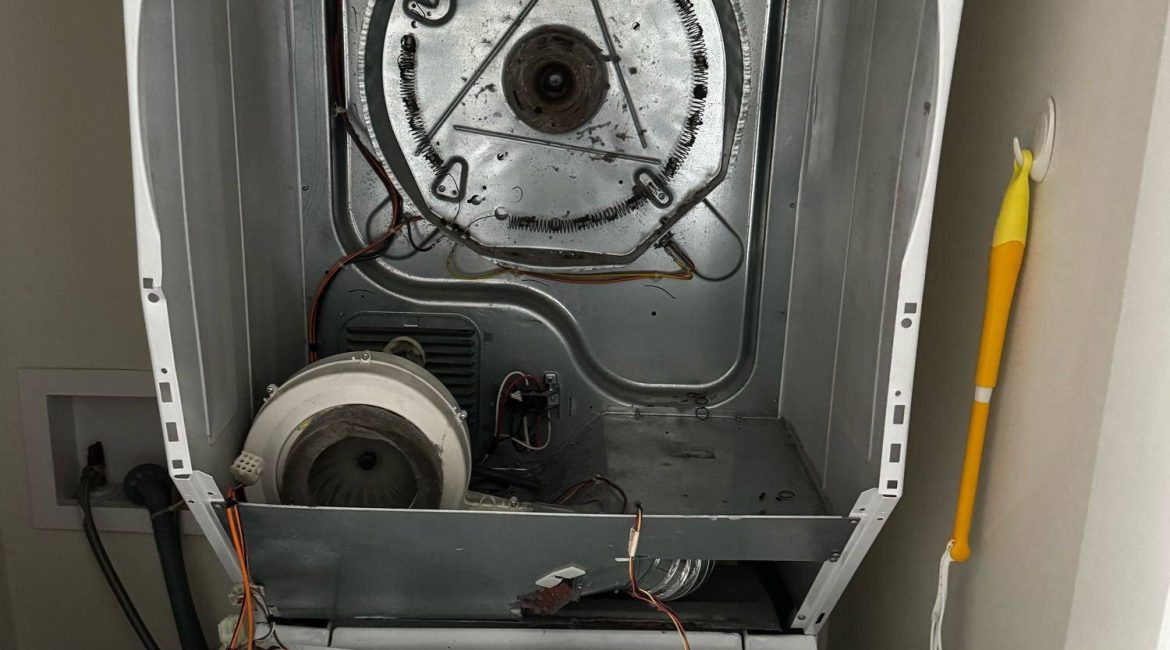
Your washing machine might seem like an unassuming household hero, quietly spinning away loads of laundry without complaint. It delivers fresh, clean clothes reliably, but lurking beneath that sparkling exterior is a ticking clock of wear and tear. Many homeowners are surprised to learn that their washer can appear to function perfectly while slowly degrading internally—a process that, if ignored, can lead to costly repairs or even total replacement.
The first thing to understand is that washing machines, especially front-loaders, are complex mechanical and electrical devices. They rely on a delicate balance of water flow, detergent dosing, motor function, drum alignment, and electronic controls. When any component begins to wear out, the machine may still wash clothes effectively—but the stress it experiences can accumulate over time, silently damaging vital parts.
One of the most common culprits is overuse without regular maintenance. Many homeowners do not realize that washers benefit from occasional deep cleaning and inspection. Soap scum, fabric softener residues, and mineral deposits from water can gradually coat internal parts, such as the drum bearings, pump, and hoses. This buildup may not affect wash performance immediately, but it increases friction and forces motors and belts to work harder than intended. Over months and years, this slow degradation leads to reduced lifespan and sudden breakdowns.
Another hidden risk is overloading the machine. While modern washers advertise generous capacities, cramming too many clothes into a single cycle stresses the drum bearings and suspension system. It may feel convenient to throw in a few extra towels or a bulky comforter, but the consequences are cumulative. Bearings wear out faster, the motor overheats, and belts stretch—problems that don’t necessarily show up during everyday use but quietly reduce your machine’s longevity.
Detergent use can also be deceiving. Using the wrong type or excessive amounts of detergent may not prevent your clothes from coming out clean, but it can cause foam buildup, clog drains, and corrode delicate sensors. Low-quality or high-phosphate detergents leave residues inside the machine, fostering mold growth and rusting metal components. Front-loading washers, in particular, are susceptible to this problem due to their airtight door seals, which trap moisture.
Ignoring minor noises or leaks is another classic mistake. A washer that hums or gurgles differently than usual, or one that dribbles water at the end of a cycle, might still be washing effectively—but these are warning signs of underlying issues. Small leaks can erode metal components or weaken structural integrity. Odd sounds often indicate worn bearings, misaligned drums, or loose motor couplings. Left unchecked, these issues escalate into major failures, often requiring expensive replacement parts.
A less obvious factor is hard water. Minerals in hard water create deposits on heating elements, pumps, and internal hoses. While your clothes might still come out clean, these mineral deposits gradually reduce water flow efficiency and put extra strain on electrical components. Over time, the washer struggles to maintain proper cycle times, resulting in longer washes, increased energy usage, and accelerated wear.
The good news is that preventive maintenance can significantly extend your washing machine’s life. Routine checks and cleaning, proper detergent use, avoiding overloading, and addressing leaks immediately can prevent minor issues from becoming catastrophic failures. Professional servicing is another key step. Trained technicians can inspect hidden components like belts, bearings, motors, and electronic controls, diagnosing problems before they compromise your washer.
Homeowners often underestimate the value of professional intervention. A washer might be quietly deteriorating even as it completes every cycle flawlessly. Technicians can lubricate moving parts, descale pipes, clean drainage systems, and calibrate electronic controls to ensure your machine operates efficiently. This not only preserves your washer but also reduces utility costs, prevents water damage, and keeps laundry routines hassle-free.
In the long term, maintaining your washer properly saves both money and stress. Avoid the temptation to ignore minor quirks or noises, and recognize that a machine’s “normal” appearance is not always an indicator of true health. Taking proactive steps ensures your washer continues to deliver spotless laundry while avoiding the silent wear that can lead to sudden breakdowns.
If you notice that your washer is making unusual noises, taking longer than usual to complete cycles, or showing leaks or foam buildup, don’t wait until a major failure occurs. Schedule a professional inspection today. The experts at Oceanside Appliance Service Center specialize in diagnosing and repairing washers before minor problems turn into costly repairs. Protect your investment and keep your laundry routine running smoothly—contact Oceanside Appliance Service Center now to book a service.
Contact us
