


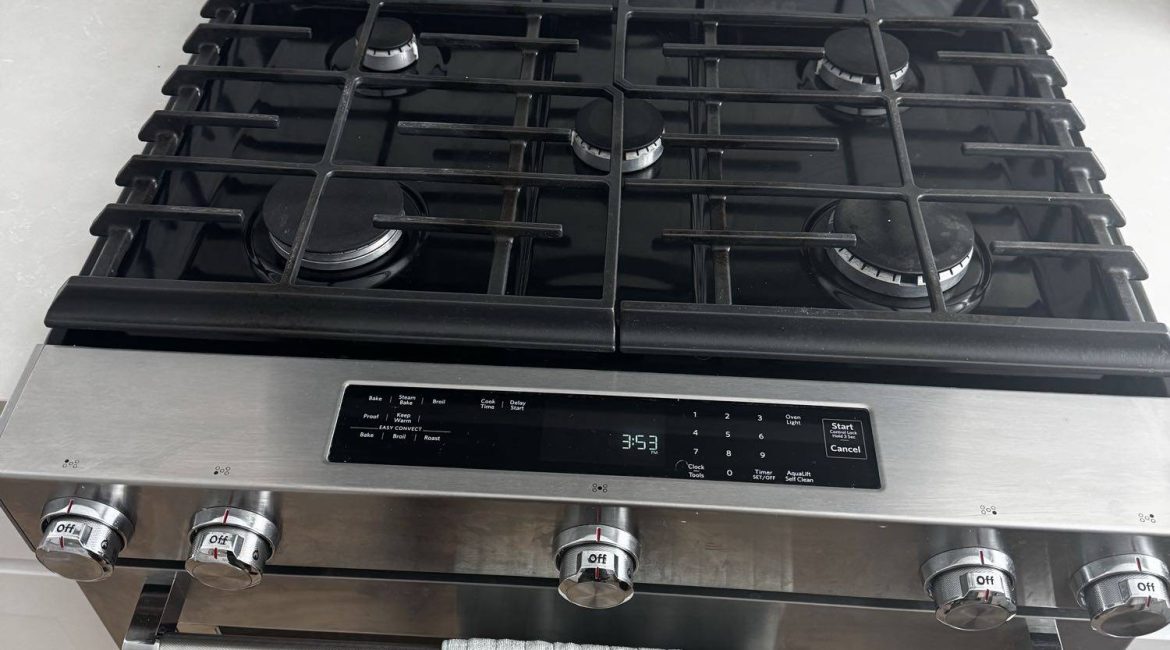
A Wolf gas range is designed to provide consistent heat for everyday cooking and demanding recipes. When the oven starts baking unevenly, however, you may notice that one side of a cake rises higher than the other, cookies brown inconsistently, or a casserole remains undercooked in the center while the edges become too dark. These problems can affect cooking results and may indicate an issue with the burner assembly, temperature sensor, or another oven component.
Understanding the possible causes of uneven heating can help you determine when professional Wolf range repair is necessary.
Common Signs of Uneven Oven Heating
Uneven heat does not always mean the oven has stopped working. In many cases, the appliance continues to operate, but its temperature or heat distribution is inconsistent.
Common warning signs include:
- Food browns more quickly on one side of the oven.
- Cakes and pastries bake unevenly or collapse in the center.
- The oven takes longer than usual to preheat.
- The temperature fluctuates significantly during cooking.
- Certain areas of the oven remain cooler than others.
- Food burns on the bottom while the top remains undercooked.
Before assuming that a component has failed, consider the cookware, rack position, and amount of food inside the oven. Overcrowding can restrict airflow, while dark or oversized baking pans can change how heat reaches food. If the problem persists across different recipes and rack positions, the oven may require technical inspection.
Possible Cause #1: Faulty Gas Burner Assembly
The burner assembly plays a central role in heating a gas oven. It receives gas and produces a controlled flame that generates the heat needed for baking and roasting.
When the burner becomes clogged, damaged, or unable to ignite correctly, the oven may struggle to maintain an even temperature. A weak or irregular flame can reduce heating performance and extend cooking times.
Several problems may affect the burner assembly. Food residue and grease can interfere with burner openings, while worn components or ignition problems can prevent normal operation. In some cases, the burner may ignite intermittently or fail to produce the expected flame pattern.
A technician can inspect the burner, ignition system, gas supply components, and related connections to identify the source of the problem. Depending on the findings, cleaning, adjustment, or replacement of a faulty component may be necessary.
Gas burner repairs require appropriate training and equipment. Do not attempt to remove the burner, adjust gas valves, or disassemble the gas supply system yourself.
Possible Cause #2: Malfunctioning Temperature Sensor
The oven temperature sensor monitors internal heat and provides information to the control system. This information helps the appliance regulate burner operation and maintain the selected cooking temperature.
If the sensor becomes inaccurate or fails, the oven may receive incorrect temperature readings. For example, the control system may register that the oven has reached the target temperature before the cooking compartment is sufficiently heated. The burner may then cycle incorrectly, causing temperature fluctuations and inconsistent results.
A faulty sensor can also contribute to excessive heating, prolonged preheating, or noticeable differences between the selected temperature and actual oven temperature.
During a professional inspection, a technician can test the sensor’s resistance, examine its wiring, and compare its readings with the manufacturer’s specifications. If the sensor is defective, replacing it may restore more reliable temperature regulation.
However, sensor replacement will not solve every uneven-heating problem. The control board, wiring, burner operation, and other components may also need to be evaluated.
Other Factors That Can Affect Heat Distribution
Although the burner assembly and temperature sensor are possible causes, other issues can produce similar symptoms.
Ignition system problems. A faulty igniter may prevent the burner from lighting reliably. On some gas ovens, an igniter can glow without becoming hot enough to open the gas valve properly. This can cause delayed ignition or inadequate heating.
Damaged door gasket. A worn or torn door seal allows heat to escape. The oven may struggle to maintain its temperature, particularly during longer baking cycles.
Control board malfunction. The electronic control system coordinates temperature regulation and burner operation. A failure in its circuitry can interfere with normal heating cycles.
Airflow and rack placement. Incorrect rack positioning, oversized cookware, and overcrowding can prevent heat from circulating evenly. These factors should be ruled out before replacing appliance components.
Calibration problems. If the oven consistently runs hotter or cooler than the selected temperature, calibration may need to be checked according to the manufacturer’s instructions.
Identifying the correct cause matters because replacing a functioning component will not resolve the underlying fault.
What You Can Check Before Calling a Technician
Start by reviewing the oven’s basic settings and cooking conditions. Confirm that you selected the correct cooking mode and temperature. Avoid placing several large pans close together, and use the rack position recommended for your recipe.
If you suspect inaccurate temperature readings, an oven thermometer can help you observe whether the temperature differs significantly from the selected setting. Allow sufficient time for preheating and compare readings over a complete heating cycle.
Check the visible door gasket for obvious damage, but do not remove panels or attempt to access internal gas components.
If you smell gas, stop using the appliance. Do not operate electrical switches or create flames. Leave the area and contact your gas utility or emergency services from a safe location, following local safety guidance.
Professional Wolf Gas Range Repair in Oceanside
Uneven heating can result from several faults that produce similar symptoms. A qualified appliance technician can inspect the burner assembly, test the temperature sensor, evaluate the ignition system, and check the control components to determine what your Wolf gas range needs.
Professional diagnosis helps prevent unnecessary part replacements and addresses the underlying problem rather than its symptoms. Timely repairs can also help restore dependable cooking performance and reduce the risk of a minor malfunction developing into a more serious issue.
If your Wolf gas range oven heats unevenly, takes too long to preheat, or produces inconsistent baking results, contact Oceanside Appliance Service Center to schedule a repair appointment.
Call(442) 291-2244 to request service and have your Wolf gas range inspected by an appliance repair professional.
