


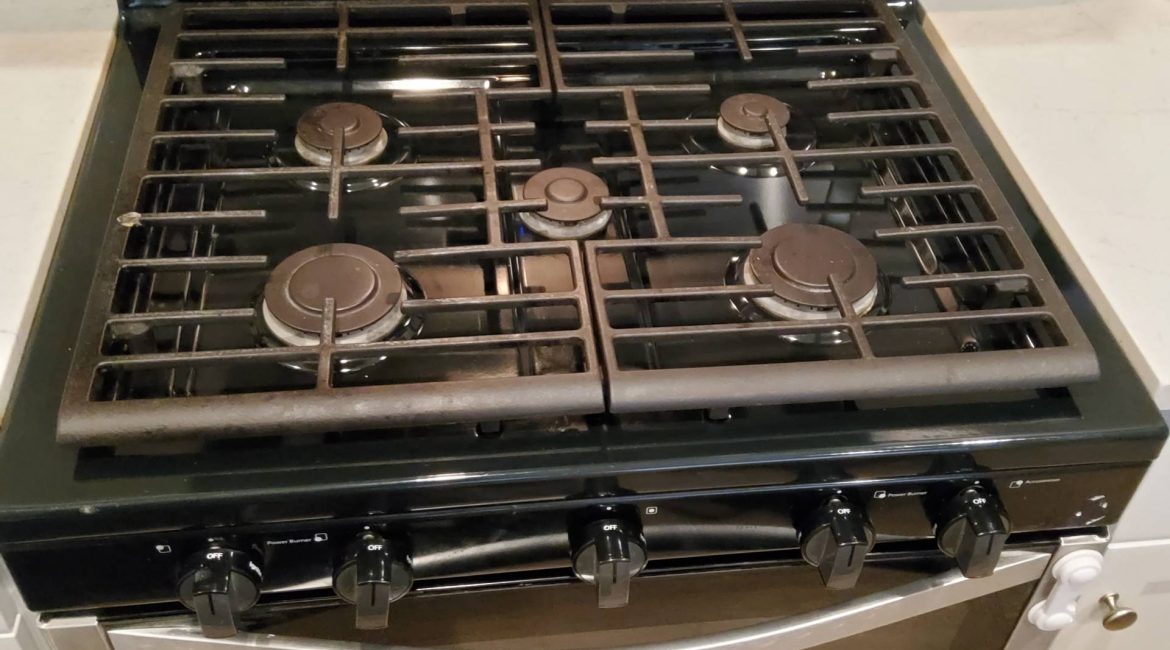
It’s a scenario many homeowners encounter: you finish cooking on your gas cooktop, everything seems normal—the burners ignite quickly, the flame looks steady, and your meal turns out perfectly. Yet, after stepping away, you notice a faint odor of gas lingering in the kitchen. At first, it may seem minor, perhaps even ignorable. However, any gas smell, no matter how faint, is a warning sign that shouldn’t be dismissed.
Why You Might Smell Gas
Gas cooktops rely on a combination of natural gas or propane and precise ignition mechanisms to operate safely. When functioning correctly, the gas burns completely, producing an almost invisible flame and no harmful odor. That distinctive “gas smell” you notice is actually added odorant—usually mercaptan—designed to alert you to leaks.
Even if your cooktop appears to work normally, there are several potential reasons for a faint gas odor:
- Incomplete Combustion: If the burners aren’t adjusted properly, the gas may not burn completely. This can produce a subtle smell while the flame still seems blue and steady.
- Loose Connections: Gas lines, fittings, or the cooktop’s connection to the supply may have loosened over time. Even a tiny gap can allow gas to escape slowly.
- Worn or Damaged Components: Burners, seals, or valves that are cracked or worn can leak gas without affecting the cooktop’s performance immediately.
- Residual Gas: After cooking, residual gas from ignition delays or burner inefficiencies can linger and produce a detectable odor.
Why Ignoring the Smell is Risky
Even a faint smell of gas is a safety concern. Natural gas and propane are highly flammable. Accumulation in the kitchen or nearby rooms can create a serious explosion risk. Health effects are another concern: inhaling gas, even at low levels, can lead to headaches, dizziness, or nausea. Over time, repeated exposure may cause more serious respiratory problems.
Some homeowners assume that because their cooktop lights properly, everything is fine. Unfortunately, the absence of obvious malfunctions doesn’t guarantee safety. Gas leaks can be intermittent, meaning your cooktop could work normally most of the time while still releasing dangerous fumes.
Immediate Steps You Can Take
If you notice a faint gas smell:
- Ventilate: Open windows and doors to allow fresh air to circulate and reduce gas concentration.
- Do Not Ignite Flames: Avoid turning on burners, matches, or electrical switches until the area is clear. Sparks can ignite accumulated gas.
- Check for Obvious Leaks: Look for damaged hoses, loose connections, or any odor source—but do not attempt complex repairs yourself.
- Evacuate if Necessary: If the smell is strong or persistent, leave the home immediately and call emergency services.
Professional Inspection is Essential
The safest and most reliable way to address a gas odor is to schedule a professional inspection. Certified technicians can:
- Examine gas lines and connections for leaks
- Test burners for proper combustion
- Replace damaged or worn parts
- Adjust flames for complete and efficient burning
Professional service ensures that your cooktop continues to operate safely, and it provides peace of mind for you and your family.
Preventive Measures for the Future
Regular maintenance is key to preventing gas-related issues. This includes:
- Annual professional inspections of the cooktop and gas lines
- Cleaning burners and ignition ports to avoid clogging
- Ensuring proper ventilation in the kitchen
- Using the cooktop according to manufacturer instructions
By proactively addressing even faint gas smells, you avoid the potential for serious accidents and extend the lifespan of your appliance.
A faint gas smell after using your cooktop may seem minor, but it is a critical warning sign. Don’t dismiss it simply because the burners work normally. Gas leaks are unpredictable, potentially dangerous, and best handled by trained professionals.
For reliable service and peace of mind, contact Oceanside Appliance Service Center. Their team of certified technicians can quickly inspect, diagnose, and repair any issues with your gas cooktop, ensuring your kitchen remains safe and functional.
Contact us
