

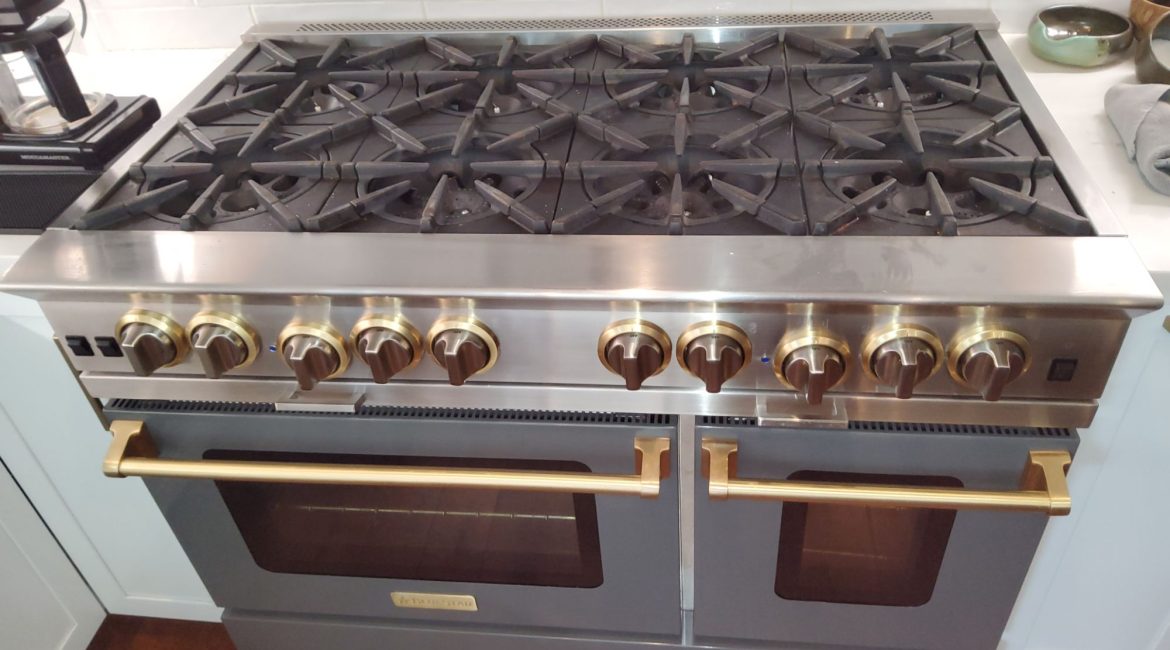
Your gas stove turns on. The flame is visible. The burners ignite without hesitation. At first glance, everything appears normal. Yet cooking takes longer than it used to. Water boils slower. Pans heat unevenly. Recipes that once worked perfectly now feel unpredictable.
This is one of the most overlooked problems in gas stoves: heat loss that happens silently, without triggering any error codes or obvious failures. The stove still “works,” but a hidden issue is quietly robbing it of efficiency — and costing you time, money, and performance.
Why a Working Flame Doesn’t Mean Proper Heat
Many homeowners assume that if a gas burner lights, it must be working correctly. In reality, a visible flame only confirms gas flow and ignition — not heat transfer efficiency.
Gas stoves rely on precise combustion, airflow, and burner alignment to convert fuel into usable heat. When even one of these factors is disrupted, heat escapes instead of reaching your cookware.
The result is a stove that appears functional but delivers weaker, inconsistent heat.
The Most Common Heat Thieves Inside a Gas Stove
- Clogged or Contaminated Burner Ports
Over time, grease vapors, food spills, and dust collect inside burner ports. These blockages distort the flame pattern, causing it to burn unevenly or too low. Instead of directing heat upward to the pan, the flame spreads sideways or weakens.
This leads to longer cooking times and uneven heating — even though the burner lights normally.
- Misaligned Burner Caps and Heads
Burner caps must sit perfectly in place. A cap that’s slightly off-center allows heat to escape around the sides rather than focusing it upward. This misalignment often happens after cleaning and goes unnoticed.
Even a small shift can reduce effective heat by a significant margin.
- Weak or Improper Air-to-Gas Ratio
Gas combustion requires the correct mix of air and fuel. If the air shutter is misadjusted or partially blocked, the flame becomes inefficient. Signs include a soft flame, delayed heating, or a flame that looks normal but lacks intensity.
In many cases, the stove burns gas but fails to convert it into usable heat.
- Damaged or Heat-Warped Grates
Warped or unstable grates prevent proper contact between cookware and the flame. When pans sit unevenly or too far above the burner, heat disperses into the air instead of transferring to the pan.
This issue is subtle but dramatically affects cooking performance.
- Failing Gas Valves or Regulators
A weakening gas valve or regulator may still allow gas flow — just not at the required pressure. Burners ignite, but output is reduced. This often happens gradually, making it difficult to detect until cooking efficiency drops significantly.
Left unchecked, this can worsen and eventually cause full burner failure.
Why Ignoring Heat Loss Gets Expensive
When a gas stove loses efficiency, it consumes more gas to achieve the same result. Cooking times increase. Food cooks unevenly. The temptation to increase flame size only worsens wear on components.
Over time, minor inefficiencies strain ignition systems, valves, and internal parts — turning a small issue into a costly repair.
Why DIY Fixes Often Miss the Real Problem
While cleaning burner caps may help temporarily, most heat-loss issues originate deeper inside the system. Gas pressure calibration, airflow adjustment, and internal component testing require proper tools and expertise.
Improper adjustments can worsen efficiency or create safety risks.
Professional Diagnosis Restores Performance — and Safety
A professional technician can measure gas pressure, inspect internal components, realign burners, and restore proper combustion. This not only brings back full heat output but also improves safety and fuel efficiency.
Early service prevents long-term damage and ensures your stove operates the way it was designed to.
When to Call for Service
If your gas stove takes longer to heat, cooks unevenly, or feels weaker than before — even though it ignites normally — heat loss is likely already happening.
Do not wait for a complete breakdown.
Oceanside Appliance Service Center provides expert gas stove diagnostics and repairs, restoring full heat, efficiency, and safe operation. Contact our professionals today and bring your kitchen performance back to normal before small issues become expensive repairs.
Contact us