


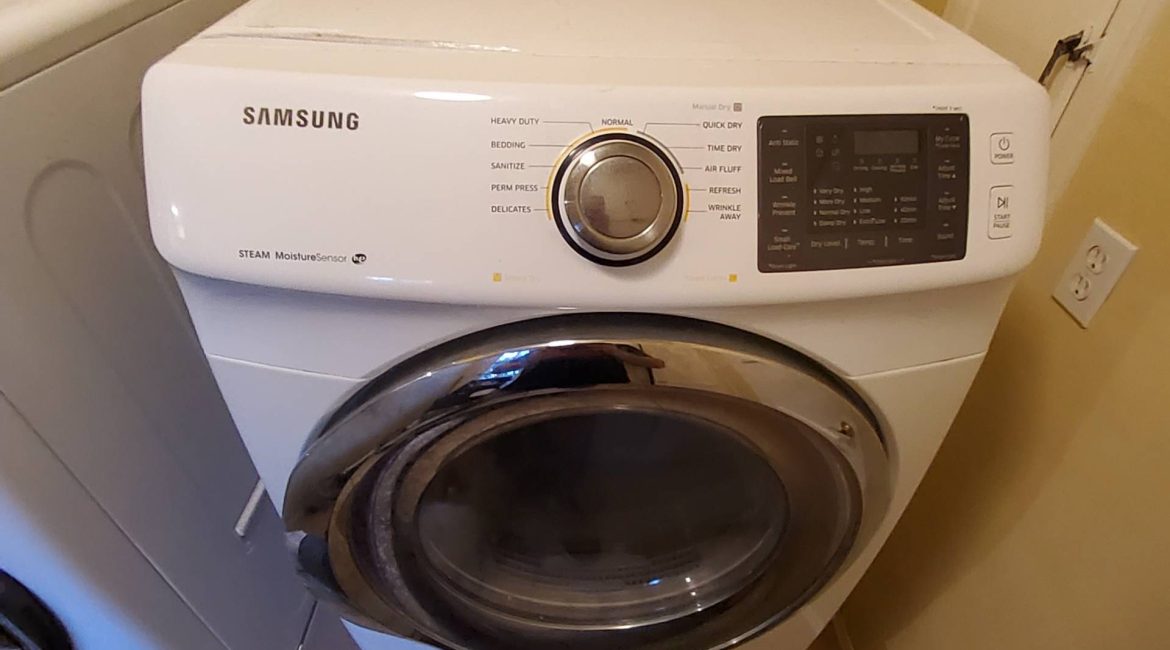
You load the washer, select your usual settings, and press start. Everything sounds normal. The drum spins, water fills, and the machine runs smoothly. But then you notice something unexpected: the cycle that once took 45 minutes now stretches past an hour. Maybe even longer.
When a washing machine suddenly takes more time to complete cycles, it is rarely random. This subtle change is often the appliance’s way of signaling that something inside the system is no longer functioning at peak efficiency. Ignoring it can lead to higher utility bills, incomplete cleaning, or eventually, a full breakdown.
Modern washers are engineered to optimize water levels, temperature, and spin speed. When the system detects irregularities, it compensates. Those longer cycle times are often built-in adjustments the washer makes to maintain cleaning performance while struggling with an internal issue.
One common cause is restricted water flow. If inlet valves are partially clogged with mineral buildup or debris, the machine may take longer to fill. The washer waits until the proper water level is reached before continuing. You may not notice the delay directly, but the cycle time quietly increases.
Drainage issues can also extend washing times. If the drain pump is weakening or the drain hose is partially blocked, water removal becomes slower. The washer may attempt additional draining phases or extend spin cycles to remove excess moisture. Again, the machine is compensating.
Sensor irregularities are another hidden factor. Modern washers rely on pressure sensors, load sensors, and temperature sensors to adjust cycle timing. If a sensor provides inconsistent readings, the control board may prolong wash or rinse phases to ensure acceptable results. What appears to be a longer wash is actually a system trying to correct itself.
Heating elements can also influence cycle length. If the washer struggles to reach the selected water temperature, the heating phase may last longer than usual. This is especially common in areas with hard water, where scale buildup reduces heating efficiency.
Load imbalance plays a role as well. Over time, suspension components and shock absorbers wear down. When the washer detects imbalance during spin cycles, it may pause, redistribute the load, and restart the spin process. These corrections add minutes to the total cycle time.
Even detergent usage can impact timing. Excess detergent creates more suds than the system expects. Many modern washers detect oversudsing and automatically add extra rinse cycles to clear residue. The result is longer overall operation without an obvious warning.
Electrical components should not be overlooked. Control boards, relays, and wiring connections gradually degrade. Minor communication delays between components can subtly affect timing sequences. The washer may not display an error code, yet performance changes are noticeable.
Why is this important?
Because extended cycle times increase wear on internal parts. The motor runs longer. The pump works harder. The heating element stays active for extended periods. Energy and water consumption rise. What starts as a small timing shift can become an expensive repair if ignored.
Homeowners often assume longer cycles are normal aging. While appliances do experience gradual wear, sudden or noticeable changes in timing deserve attention. A washer that consistently runs 15 to 30 minutes longer than before is providing a clear warning.
There are a few basic checks you can perform. Ensure the water supply valves are fully open. Inspect hoses for kinks. Clean the detergent drawer. Run a maintenance cycle if your washer has one. Avoid overloading the drum and measure detergent carefully.
However, internal components like sensors, pumps, heating elements, and control boards require professional evaluation. Modern washers are complex systems with tightly integrated electronics. Attempting deep repairs without proper diagnostic tools can lead to further damage.
Timely service not only restores cycle times but also protects the entire appliance. Addressing minor restrictions or calibration issues early prevents strain on major components. In many cases, a simple adjustment or part replacement can bring your washer back to optimal performance.
If your washer suddenly takes longer to finish cycles, do not ignore the message. That change is not random. It is a built-in warning that something inside the system needs attention.
Protect your appliance before a small issue turns into a costly breakdown. Schedule professional diagnostics and service with Oceanside Appliance Service Center. Their experienced technicians can identify the root cause, restore efficiency, and ensure your washer runs reliably again. Call today and give your appliance the care it deserves.
Contact us
