


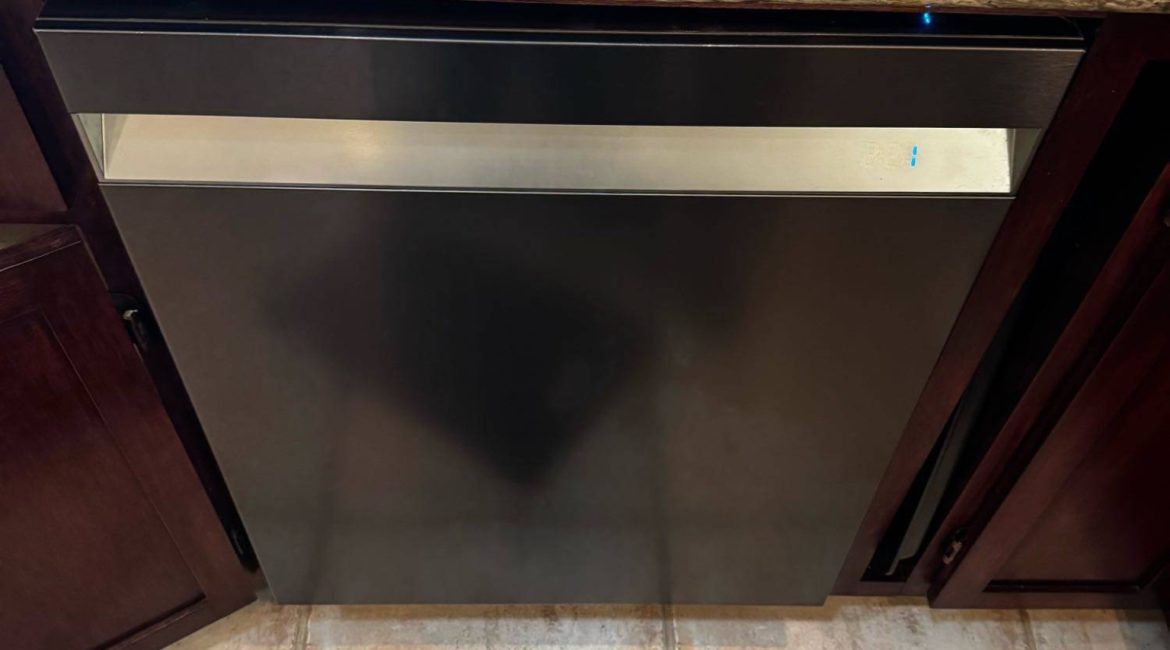
A dishwasher is one of the most convenient appliances in a modern home. It saves time, ensures thorough cleaning, and simplifies kitchen maintenance. However, even the most efficient dishwasher can develop subtle problems that homeowners often ignore. One such issue is persistent moisture remaining inside the dishwasher after the cycle ends. At first glance, it might seem minor — perhaps just a little dampness on the walls or utensils. But this seemingly small problem can escalate into expensive repairs if left unaddressed.
Why Moisture Remains in the Dishwasher
Several factors can contribute to moisture staying inside your dishwasher. Understanding the root causes can help you take preventive measures and avoid major repairs:
- Clogged or Inefficient Drainage
The most common reason for residual water is a clogged or partially blocked drain. Over time, food particles, grease, or soap residue can accumulate in the drain filter or the drainage pipe. This slows water removal, leaving a thin layer of water at the bottom of the appliance. While the dishwasher may continue to clean effectively, the standing moisture can promote mold, odors, and corrosion. - Malfunctioning Heating Element
Most dishwashers use a heating element to dry dishes after the wash cycle. If this element fails, drying efficiency decreases, and water remains on plates, glasses, and the interior walls. Homeowners often mistake this for poor detergent performance or overloading, but the real culprit is usually a faulty heating element that requires professional inspection. - Blocked or Damaged Vent
Modern dishwashers often use vents to release steam and allow proper drying. If the vent is blocked, damaged, or worn out, moisture cannot escape effectively. This can lead to condensation inside the dishwasher, even when the cleaning performance is unaffected. - Overloading or Improper Loading
Although less technical, improper loading can prevent water from draining or evaporating efficiently. Overcrowding the racks, placing items incorrectly, or blocking the spray arms can result in damp dishes. While this is a user-related factor, it is often coupled with other mechanical issues, making the problem more persistent. - Water Temperature and Rinse Aid Issues
Using water that is not hot enough or neglecting rinse aid can also affect drying. Rinse aid helps reduce water surface tension, allowing water to run off dishes instead of clinging to them. Without it, even a fully functioning dishwasher may leave moisture behind.
Consequences of Ignoring Moisture
What seems like a minor inconvenience — damp dishes or a slightly wet interior — can lead to bigger problems:
- Mold and Mildew Growth: Persistent moisture creates the perfect environment for mold and mildew, which can spread to kitchen surfaces and cause unpleasant odors.
- Corrosion of Internal Components: Water that sits in the bottom or along seams of the dishwasher can corrode metal parts, damaging the tub, racks, or heating elements.
- Electrical Damage: Excess moisture can affect the electronic control panels, sensors, and wiring, leading to costly malfunctions.
- Reduced Efficiency: Over time, moisture buildup can interfere with normal dishwasher operation, resulting in longer cycles, poor drying, and higher energy bills.
Preventive Measures and Solutions
Addressing moisture issues early can save you from expensive repairs and extend the lifespan of your dishwasher. Here are some effective solutions:
- Regular Cleaning of Filters and Drains: Remove food debris from the bottom filter and inspect the drain hose for clogs. Cleaning these regularly ensures proper water flow.
- Check the Heating Element: If dishes remain wet after multiple cycles, have a technician inspect and replace a faulty heating element.
- Inspect the Vent and Door Seals: Make sure vents are free from obstructions and the door gasket is intact to allow proper steam release.
- Use Rinse Aid and Proper Loading Techniques: Ensure the dishwasher is loaded according to manufacturer instructions and that rinse aid is added to every cycle.
- Professional Maintenance: Annual or semi-annual professional servicing can detect potential problems before they escalate.
Moisture in your dishwasher might seem harmless, but ignoring it can quickly become a costly mistake. If your dishwasher consistently leaves moisture inside, it’s time to take action. Professional inspection and maintenance can prevent further damage, save on repair costs, and restore your appliance to optimal performance.
For fast, reliable service, contact Oceanside Appliance Service Center today. Our experienced technicians specialize in diagnosing and fixing dishwasher issues, ensuring your appliance dries thoroughly and functions efficiently. Don’t let a minor issue turn into a major repair — schedule your service now.
Contact us
