

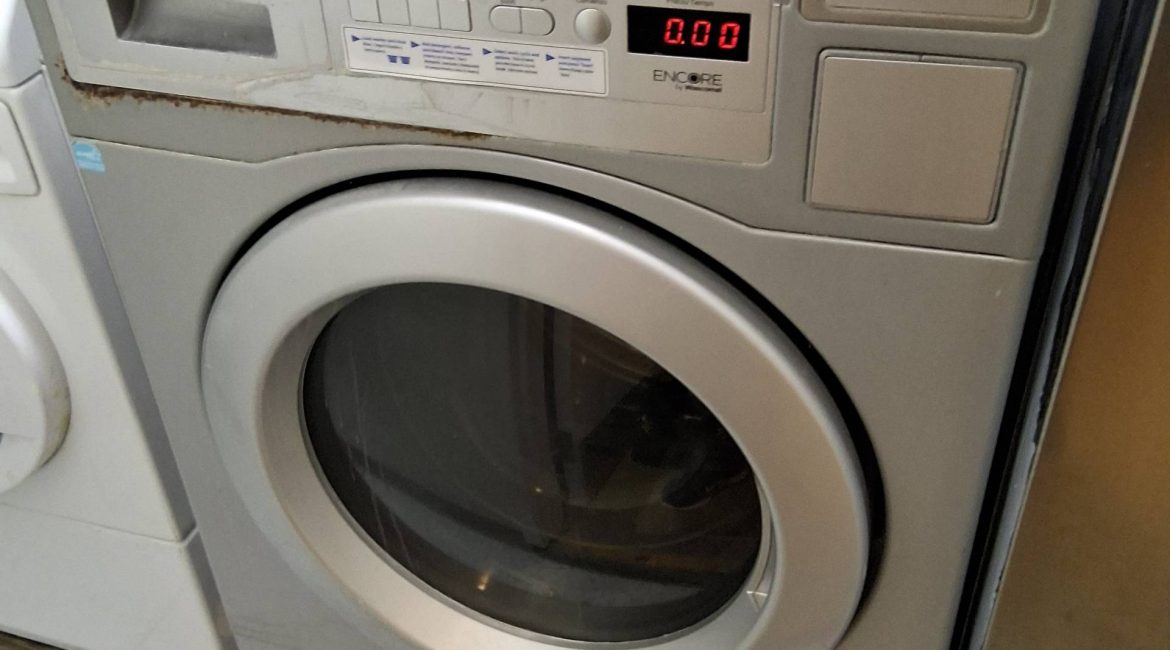
A washing machine that overflows during the fill cycle can quickly turn a routine laundry day into a stressful situation. While a sudden flood of water in your laundry area may seem alarming, understanding the underlying causes can help prevent damage and avoid costly repairs. Among the most common culprits are issues with the pressure switch or the water inlet valve.
Understanding the Fill Cycle
During the fill cycle, the washing machine draws water from the household supply and measures the correct amount for the selected load. This process relies on two critical components: the water inlet valve, which controls the flow of water, and the pressure switch, which signals the machine when the tub has reached the appropriate water level. When either of these components malfunctions, it can cause the washer to overfill, spilling water outside the drum and potentially onto the floor.
The Role of the Pressure Switch
The pressure switch is essentially the washing machine’s water-level sensor. It monitors the air pressure inside a small tube connected to the bottom of the wash tub. As water fills the tub, air pressure in the tube increases, triggering the switch to stop the water flow when the correct level is reached.
If the pressure switch is faulty, clogged, or disconnected, the machine may fail to detect the water level properly. This can result in excessive water entering the drum, leading to an overflow. Signs of a pressure switch issue include:
- Water continuing to fill even after the drum is visibly full
- Error codes on digital models indicating a water-level problem
- Unusual sounds during the fill cycle, such as continuous running of the inlet valve
Testing a pressure switch usually requires a multimeter or a simple tube inspection to ensure it is unobstructed and functioning properly. A malfunctioning switch often needs replacement to restore normal operation.
The Function of the Water Inlet Valve
The water inlet valve controls the flow of water into the washer. It opens to allow water in during the fill cycle and closes when the appropriate level is reached. Over time, the inlet valve can become worn, damaged, or clogged with sediment from the water supply.
A failing inlet valve may remain partially open even when it should be closed, allowing water to continuously enter the drum. Symptoms of inlet valve problems include:
- Continuous hissing or running sounds during the fill cycle
- Water leaks around the valve area
- Overflows even when the pressure switch appears functional
Inspecting the valve involves checking water pressure, the solenoids that control the opening and closing of the valve, and the valve screens for debris. Replacing a defective inlet valve often resolves overflow issues.
Other Contributing Factors
While pressure switch and inlet valve problems are the most common causes, other issues can also contribute to overflows:
- Clogged hoses or tubes – Dirt and detergent buildup can block the air tube to the pressure switch, causing inaccurate readings.
- Control board malfunctions – In electronic models, a faulty control board may fail to signal the inlet valve to stop filling.
- Improper installation – A washing machine not level or with hoses incorrectly connected can affect water-level detection.
Regular maintenance, including cleaning hoses and inspecting components, helps prevent these issues from escalating.
Preventive Measures
To reduce the risk of overflows, homeowners should consider the following preventive measures:
- Periodically inspect the water inlet hoses for kinks, cracks, or sediment buildup.
- Ensure the pressure switch tube is clear and securely connected.
- Avoid overloading the machine, as excessive weight can affect water-level sensors.
- Use the correct type and amount of detergent to prevent foam buildup, which may interfere with the switch’s accuracy.
Detecting issues early can prevent significant water damage and reduce repair costs.
When to Call a Professional
While some minor maintenance can be performed at home, pressure switch and inlet valve problems often require professional diagnosis and repair. Attempting repairs without experience can lead to further damage or void warranties. A certified technician can accurately test electrical and mechanical components, replace defective parts, and ensure your washing machine operates safely and efficiently.
If your washing machine frequently overflows during the fill cycle, it is essential to act promptly. Ignoring the problem can cause water damage to floors, cabinets, and surrounding areas, as well as create potential electrical hazards.
Service Recommendation
Oceanside Appliance Service Center specializes in washing machine repair, including diagnosing and fixing pressure switch and inlet valve problems. Their technicians have the expertise and tools to restore your machine to proper function, ensuring safe and reliable operation. Don’t wait for small overflows to become major issues — schedule service today to protect your home and your laundry routine.
Contact us
