


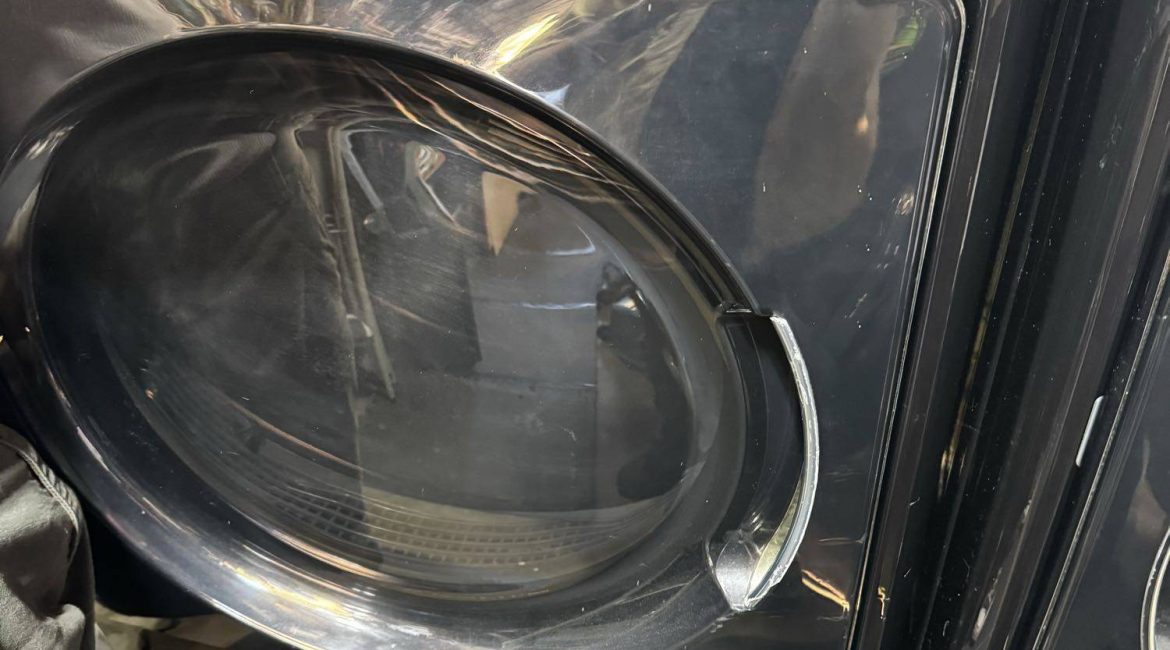
A washing machine that runs smoothly through wash and rinse cycles but begins to vibrate during the drain stage is giving a very specific signal. The timing matters. When vibration appears only while water is being pumped out, the issue is rarely related to the drum suspension or general imbalance of the load. Instead, it often points directly to the drain pump system and everything connected to it.
Understanding this distinction helps narrow down the problem faster and prevents unnecessary part replacements.
The drain cycle places a different kind of mechanical load on the appliance. The drum slows down, water is actively expelled, and the drain pump operates at higher intensity. Any weakness in this system tends to show up immediately as vibration, humming, or uneven movement.
One of the most common causes is partial blockage inside the pump or filter. Coins, lint, buttons, and small debris often collect in the pump filter housing. When water tries to pass through a restricted channel, the pump works harder and begins to pulse instead of running smoothly. That pulsing creates vibration that can be felt through the entire machine body. Even a small obstruction can change the flow enough to destabilize the pump’s operation.
Another frequent issue is an impeller problem. The impeller is the small rotating component inside the pump that moves water out of the machine. If it becomes cracked, worn, or partially jammed, it no longer rotates evenly. This creates an irregular load during operation. Instead of a steady rotation, the pump produces intermittent resistance, which translates into vibration during draining.
Air trapped in the pump or drain line can also contribute. When air pockets mix with water flow, the pump may begin to cavitate. Cavitation causes sudden changes in pressure inside the pump chamber. These pressure fluctuations often produce a noticeable shaking or rattling sound, especially when the drain cycle starts or intensifies.
Loose pump mounting is another technical factor that is often overlooked. The drain pump is typically secured to the machine frame with brackets or screws. If these mounts loosen over time due to vibration and wear, the pump may physically shift during operation. Even slight movement at high speed can amplify vibration throughout the cabinet, making the issue seem more severe than it actually is.
A partially clogged drain hose can also play a role. If water cannot exit freely, back pressure builds inside the pump system. The pump continues working against resistance, and that strain can manifest as vibration. In some cases, the hose may not be fully blocked but narrowed due to internal buildup, which is harder to detect without inspection.
Worn pump bearings or a failing motor assembly introduce another layer of risk. As internal components degrade, the rotation becomes less stable. This instability is most noticeable during drain cycles because that is when the pump is under continuous load. A failing bearing often produces both vibration and a low grinding sound that increases over time.
Electrical irregularities can also influence pump behavior. If the pump motor is receiving inconsistent voltage, it may operate unevenly. This does not always stop the pump from working, but it can cause irregular speed fluctuations that translate into physical vibration.
The key diagnostic detail is that the vibration appears only during draining. This narrows the issue significantly. If the drum suspension, shock absorbers, or load distribution were the cause, the vibration would typically be present during spin cycles as well. The fact that it is isolated to draining strongly suggests a pump-side or drainage-path problem.
Ignoring early symptoms can lead to more expensive repairs. A strained pump may eventually burn out completely, and persistent back pressure can affect other components of the appliance. What begins as a mild vibration can progress into full drainage failure.
In many cases, resolving the issue requires professional inspection. The pump system involves electrical, mechanical, and hydraulic elements working together under load. Accurate diagnosis often depends on checking internal resistance, pump condition, hose flow rate, and mounting stability.
For homeowners noticing this specific symptom, timely service prevents escalation and restores stable operation.
If your washing machine vibrates during the drain cycle, it is worth having the system checked before the problem develops further. Professional technicians can identify whether the cause is a blockage, a failing pump, or a mounting issue and restore proper function.
For reliable diagnosis and repair, contact Oceanside Appliance Service Center and schedule a service visit.
Contact us
