


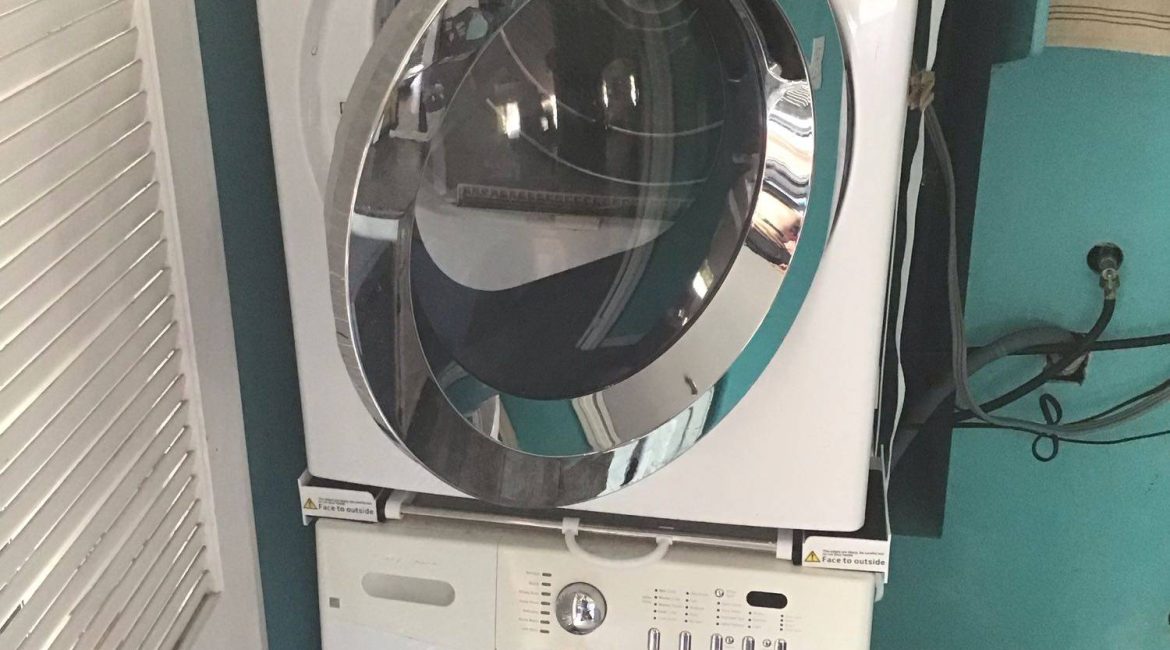
A Kenmore washing machine that suddenly starts making a grinding noise should not be ignored. Unusual sounds during washing or spinning often indicate that one of the mechanical components is wearing out. In some cases, the problem may be relatively simple, such as a loose pulley or worn belt. In other situations, a grinding sound can point to a failing drum bearing, which may require a more involved repair.
Identifying the source of the noise early can help prevent additional damage to the washer and reduce the risk of an expensive repair later.
What Does a Grinding Noise Mean?
The location and timing of the grinding sound can provide useful clues. If the noise occurs primarily when the drum rotates, the drum bearing, drive pulley, belt, motor, or another rotating component may be involved.
A washer that grinds only during the spin cycle may have a problem that becomes noticeable when the drum reaches a higher speed. If the sound is present during both washing and spinning, the issue may involve a component that operates throughout the cycle.
It is also worth paying attention to whether the washer vibrates excessively, struggles to reach high spin speeds, or leaves the drum feeling loose when turned by hand. These symptoms can help a technician narrow down the cause.
Possible Cause: Worn Drum Bearing
The drum bearing allows the washer’s drum to rotate smoothly. Over time, the bearing can wear because of regular use, moisture exposure, corrosion, or deterioration of surrounding components.
A failing bearing may produce a grinding, rumbling, or growling noise that becomes louder as the drum spins faster. In advanced cases, you may notice excessive vibration or movement of the drum.
A damaged bearing should not be ignored. Continued operation can put additional stress on other components and may eventually affect the drum assembly or motor. Diagnosing the bearing requires inspecting the drum and related mechanical parts rather than simply replacing components based on the noise alone.
Possible Cause: Damaged Drive Pulley
The drive pulley is another component that can create a grinding or rattling noise. It helps transfer power from the motor to the washer drum. If the pulley becomes cracked, worn, loose, or misaligned, the washer may make unusual sounds while operating.
A damaged pulley can also cause the drive belt to move incorrectly. You may notice additional symptoms such as inconsistent drum rotation, vibration, or a belt that appears worn or displaced.
Because the pulley and belt work together, both should be inspected when this type of problem occurs. Replacing only the belt may not solve the issue if the pulley itself is damaged.
Other Components Can Cause Similar Sounds
A grinding noise does not automatically mean the drum bearing or pulley has failed. Several other components can produce similar symptoms.
A worn drive belt may slip or rub against surrounding parts. The motor can also develop mechanical problems that become noticeable during operation. In some cases, a foreign object can become trapped between the inner drum and outer tub and create a scraping or grinding sound.
The washer’s suspension components can contribute to unusual noises as well, especially when the appliance becomes unstable during the spin cycle. This is why accurately identifying the source of the sound is important before purchasing replacement parts.
Signs You Should Stop Using the Washer
Some symptoms indicate that professional inspection should not be delayed. These include a grinding noise that is getting progressively louder, excessive drum movement, strong vibration, a burning smell, visible belt damage, or difficulty reaching the normal spin speed.
If the washer is making a severe mechanical noise, continuing to run repeated cycles can increase the stress on already damaged components. Disconnecting the appliance from power until it can be inspected is a sensible precaution when the machine is showing serious mechanical symptoms.
Why Professional Diagnosis Matters
Kenmore washing machines use several interconnected mechanical and electrical components. A grinding noise can sometimes come from a part that is difficult to identify without inspecting the washer directly.
A technician can examine the drum, bearing, pulley, belt, motor, suspension system, and other relevant components. This makes it possible to determine whether the repair involves a single worn part or whether additional components have also been affected.
Professional diagnosis can also help avoid unnecessary part replacement. Replacing a pulley when the actual problem is a drum bearing, for example, will not eliminate the noise and can result in additional repair costs.
Get Kenmore Washer Repair in Oceanside
If your Kenmore washing machine makes a grinding noise, arrange an inspection before the problem becomes more serious. A worn drum bearing, damaged pulley, belt problem, or another mechanical failure can affect the washer’s performance and lead to further damage if left unresolved.
For reliable appliance repair and professional troubleshooting, contact Oceanside Appliance Service Center. Schedule a service appointment and have your Kenmore washer inspected to identify the source of the grinding noise and determine the appropriate repair.
Contact us
