


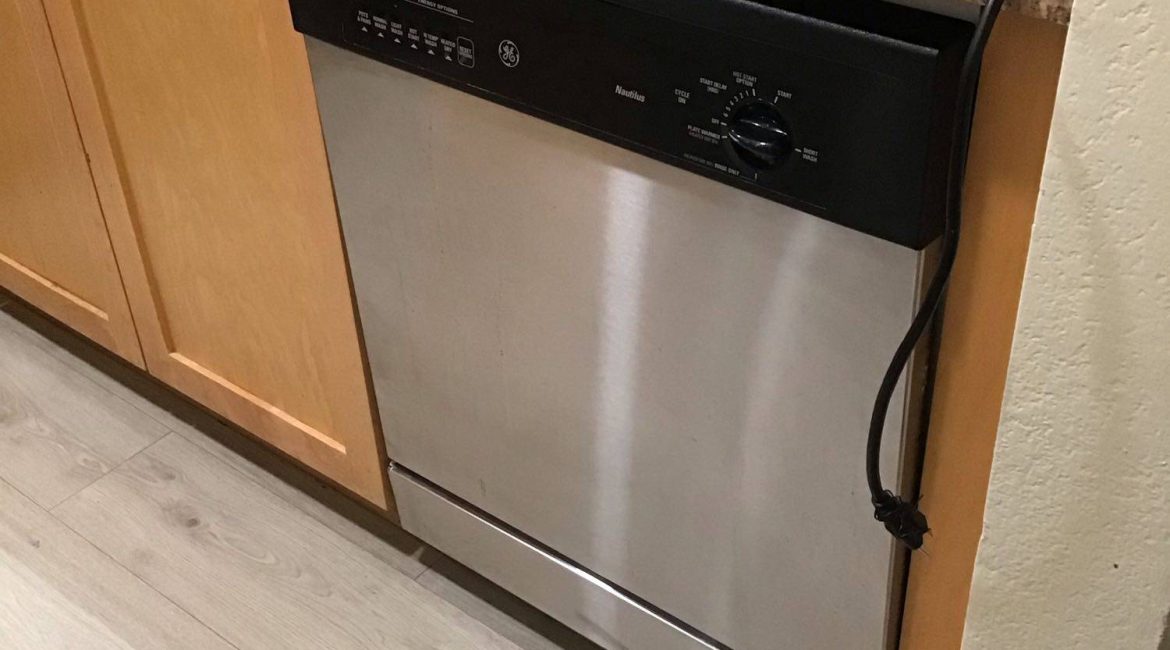
An Amana dishwasher that completes a wash cycle but leaves dishes wet can be frustrating, especially when the problem appears suddenly. While some moisture is normal after a dishwasher cycle, dishes should generally come out reasonably dry, depending on the selected cycle, rinse aid usage, and the dishwasher’s drying system. If plates, glasses, and utensils remain covered in water after every cycle, a component may be malfunctioning. One of the most common causes is a problem with the heating element. The heating element raises the temperature inside the dishwasher during the final stages of the cycle. It helps evaporate moisture from dishes and supports the overall drying process. If the element is damaged, burned out, or not receiving power, the dishwasher may wash normally but fail to dry properly.
A faulty heating element may show several signs. Dishes can remain cold and wet at the end of the cycle, and the interior of the dishwasher may not become noticeably warm during the drying phase. In some cases, the element may have visible damage, discoloration, or cracks. However, visual inspection alone cannot confirm whether it is working correctly. Electrical testing is usually necessary. Another possible cause is a vent fan failure. Many dishwasher models use a vent or fan system to move humid air out of the tub during drying. If the fan motor stops operating, moisture can remain trapped inside the dishwasher. This can leave water droplets on dishes and the interior walls even when the heating system itself is functioning.
A blocked or damaged vent can create similar symptoms. Grease, mineral deposits, food particles, or other debris can interfere with proper airflow. If humid air cannot escape efficiently, drying performance will decrease. A technician can inspect the vent assembly and fan to determine whether the problem is mechanical, electrical, or caused by an obstruction. The thermostat or temperature sensor can also affect drying. These components monitor temperature and help control the heating system. If a sensor sends incorrect information to the control system, the dishwasher may stop heating too early or prevent the heating element from operating at the correct temperature.
Another component worth checking is the control board. The control board coordinates different stages of the dishwasher cycle, including heating and drying. If a relay, circuit, or other part of the board fails, the dishwasher may run through the cycle while one or more functions fail to operate. A control problem can be more difficult to diagnose because the dishwasher may appear to work normally otherwise. Before scheduling service, homeowners can check a few simple factors. Make sure the dishwasher is using a cycle that includes heated drying, if the model provides different drying options. Check the rinse aid level as well. Rinse aid helps water slide off dishes instead of forming droplets, so running out of it can noticeably reduce drying performance.
It is also useful to avoid overcrowding the racks. When dishes are positioned too closely together or containers are placed in a way that traps water, the dishwasher may have difficulty drying them completely. Plastic items commonly retain more moisture than glass or ceramic dishes because they do not hold heat as well. If these basic checks do not solve the problem, continued operation may not be advisable without identifying the cause. A heating element, fan motor, thermostat, wiring connection, or control board requires proper testing. Attempting to access electrical components without the appropriate knowledge can create a risk of electric shock or additional damage.
A professional appliance technician can inspect the Amana dishwasher systematically. The diagnostic process may include checking the heating element for continuity, testing voltage at the element, examining the vent and fan motor, inspecting temperature sensors, and evaluating the control board and wiring. This helps identify the failed component rather than replacing parts unnecessarily. Prompt diagnosis can also prevent secondary problems. Excess moisture inside the dishwasher can contribute to unpleasant odors, residue buildup, and other issues over time. If the dishwasher repeatedly finishes with standing moisture on dishes, addressing the problem early can help restore normal drying performance.
If your Amana dishwasher won’t dry dishes after the cycle, the heating element and vent fan are two important components to investigate. Sensor, thermostat, wiring, rinse aid, and control board issues can also affect drying results. The right repair depends on the specific symptoms and test results. For professional diagnosis and repair, contact Oceanside Appliance Service Center. Schedule service to have your Amana dishwasher inspected and get the drying system working properly again.
Contact us
