


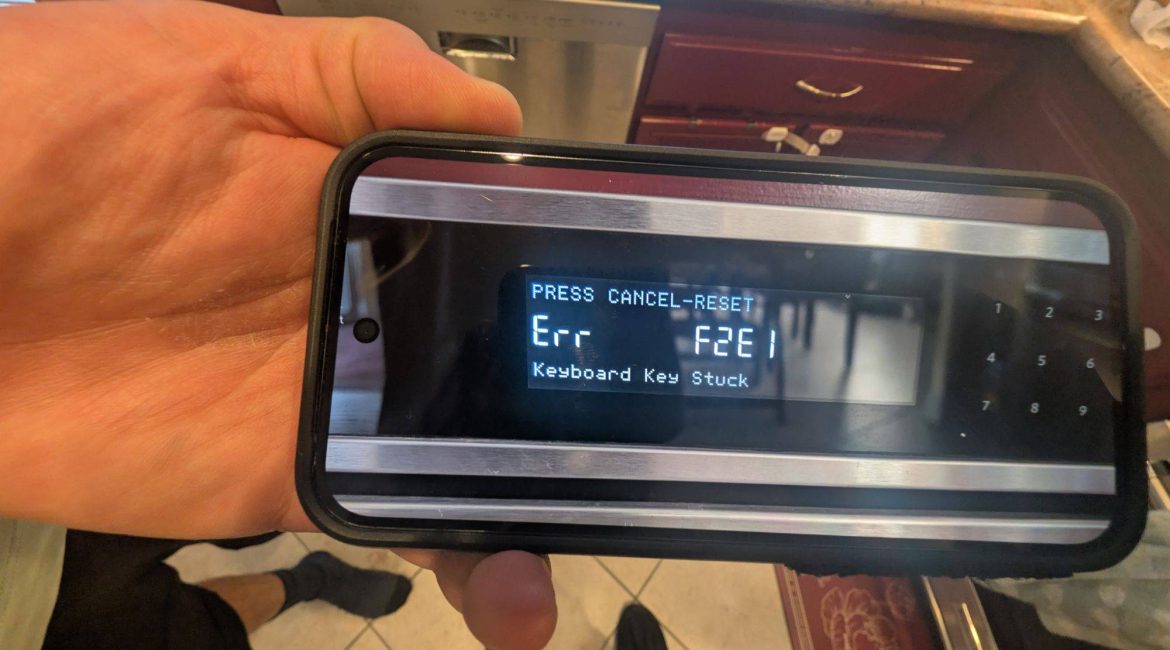
An LG dishwasher is designed to remove food residue, grease, and everyday stains while using water and detergent efficiently. When dishes come out with visible food particles, cloudy marks, or gritty residue, something may be preventing the appliance from cleaning properly. If the problem continues after several wash cycles, a clogged filter, restricted spray arms, or a malfunctioning circulation pump could be responsible.
Understanding the possible causes helps you determine whether basic maintenance will solve the issue or whether professional dishwasher repair is necessary.
Why Does an LG Dishwasher Leave Food Particles on Dishes?
Dishwashers rely on several components working together. Water enters the appliance, detergent dissolves during the cycle, and a circulation pump pushes water through the spray arms. The spray arms distribute pressurized water across the dishes, while the filtration system collects food debris and prevents it from circulating throughout the tub.
When any part of this process fails, food particles can remain on plates, glasses, utensils, and cookware. The location and appearance of the residue may provide clues about the underlying problem.
For example, small food fragments scattered across otherwise clean dishes may indicate a dirty filter or inadequate water circulation. Greasy residue can suggest insufficient washing performance, detergent problems, or water that is not reaching the correct temperature. Particles concentrated around the bottom rack may point toward blocked spray arm openings or uneven water distribution.
A Clogged Dishwasher Filter
A dirty filter is one of the most common reasons an LG dishwasher leaves food debris behind. During washing, the filter catches particles released from plates and cookware. Over time, grease, starch, seeds, and other debris can accumulate and restrict water flow through the filtration system.
When the filter becomes clogged, the dishwasher may struggle to remove suspended food particles effectively. Some residue can remain inside the tub and settle back onto dishes during the wash or rinse stages.
Fortunately, filter maintenance is often straightforward. Turn off the dishwasher and consult the owner’s manual for instructions on removing the filter assembly. Rinse the removable components under warm running water and use a soft brush to loosen stubborn deposits. Avoid abrasive tools that could damage the filter.
Before reinstalling it, check the surrounding filter housing for visible debris. Make sure every component is correctly positioned and secured according to the manufacturer’s instructions.
If the filter is damaged, warped, or no longer fits properly, cleaning alone may not resolve the problem. A replacement may be necessary.
Blocked or Restricted Spray Arms
Even with a clean filter, an LG dishwasher can leave food particles behind if its spray arms cannot distribute water effectively. Small openings in the arms can become blocked by seeds, mineral deposits, and pieces of food.
When these openings are obstructed, water pressure and coverage may become uneven. Some dishes receive enough cleaning action, while others retain residue.
Inspect the spray arms for visible blockages and check whether they rotate freely when the dishwasher is off. Remove and clean them only as described in the owner’s manual. If the arms are cracked, damaged, or unable to rotate properly, they may require replacement.
Loading practices also matter. Large plates, cutting boards, and cookware can obstruct the spray arms or prevent water from reaching items on another rack. Arrange dishes so that they do not block the spray pattern, and avoid overcrowding the dishwasher.
Circulation Pump Problems
The circulation pump plays a central role in dishwasher cleaning. It draws water from the appliance’s sump area and sends it under pressure to the spray arms. If the pump becomes worn, obstructed, or electrically defective, the dishwasher may complete its cycle without cleaning dishes effectively.
Possible symptoms include weak spray action, persistent food residue, unusual humming or grinding sounds, and cleaning results that deteriorate over time. In some cases, the appliance may fill with water and drain normally while failing to circulate water adequately during washing.
A circulation pump problem is more difficult to diagnose than a dirty filter. Similar symptoms can result from blocked internal passages, restricted water supply, damaged spray arms, or other mechanical and electrical faults.
A technician can inspect the pump, check its operation, and determine whether an obstruction can be removed or the component needs replacement. Attempting to dismantle pump assemblies without the appropriate knowledge can damage seals, wiring, or other dishwasher components.
Detergent, Water Temperature, and Loading
Not every cleaning problem indicates a failed component. Incorrect detergent dosage, unsuitable detergent, or detergent that has deteriorated during storage can reduce cleaning performance.
Water temperature also affects how effectively detergent dissolves and removes grease. If the dishwasher is not heating water as expected, food residue may remain even when the filter and circulation system appear clean.
Check that the selected wash cycle suits the load and that the detergent dispenser opens correctly. Remove large food scraps before loading, position heavily soiled items toward the appropriate spray areas, and leave enough space between dishes for water to circulate.
If these adjustments do not improve the results, further inspection may be needed to identify a heating, water delivery, or control issue.
When Should You Call a Dishwasher Repair Technician?
Basic maintenance can resolve many minor cleaning problems, but recurring residue deserves attention. If the filter is clean, the spray arms are unobstructed, and the dishwasher is loaded correctly, continued poor performance may indicate a circulation pump fault or another internal problem.
Professional service is particularly advisable if the appliance produces unusual mechanical noises, repeatedly leaves dishes dirty across different cycles, or shows signs of leaking. Stop using the dishwasher if you notice burning smells, electrical symptoms, or significant water leakage.
A qualified technician can examine the filtration system, circulation pump, spray arms, water inlet, and heating components. Accurate diagnosis helps avoid replacing parts that are still functioning properly.
Restore Your LG Dishwasher’s Cleaning Performance
Food particles left on dishes can turn an ordinary household task into a repeated chore. Cleaning the filter and spray arms is a sensible first step, but persistent problems may require professional attention.
If your LG dishwasher continues to leave food residue after basic maintenance, contact Oceanside Appliance Service Center to schedule a repair appointment. A technician can identify the source of the cleaning problem, explain the recommended repair, and help restore your dishwasher’s performance.
Call Oceanside Appliance Service Center today to arrange LG dishwasher service and get your appliance cleaning your dishes properly again.
Contact us
