


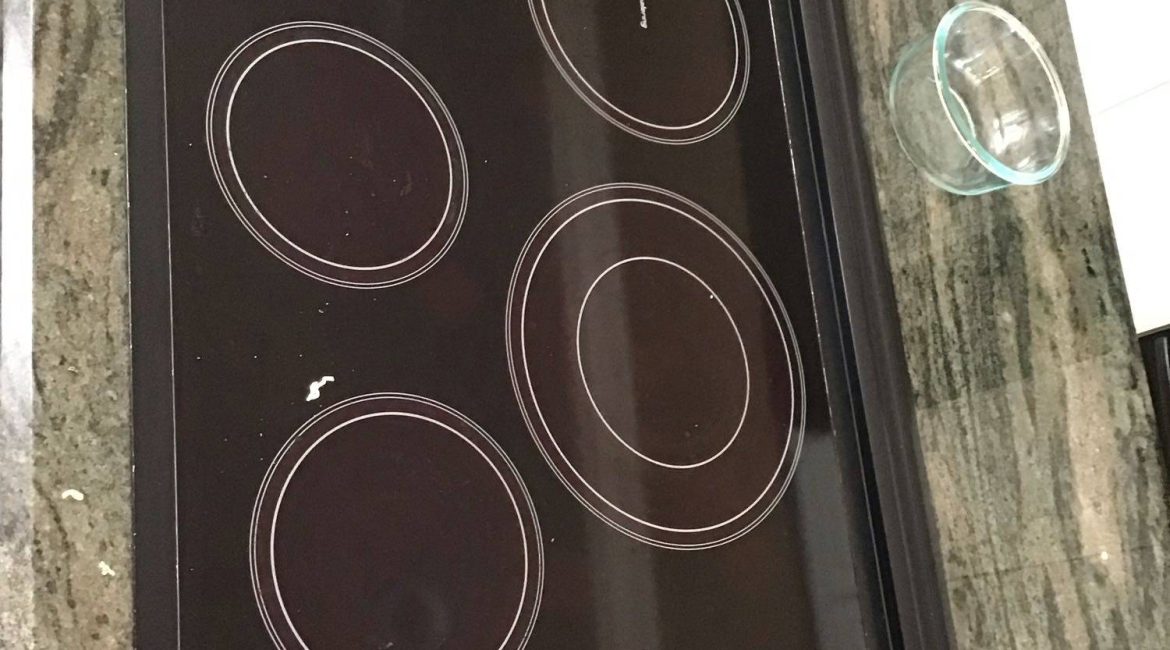
A Bosch induction cooktop that suddenly shuts off while you are cooking can turn a routine meal into a frustrating problem. The cooktop may work normally when first switched on, heat the pan for several minutes, and then stop without warning. In some cases, the display shows an error code; in others, the controls simply become inactive until the appliance cools down or is reset.
An occasional shutdown does not always mean that a major component has failed. Induction cooktops have built-in safety systems that monitor temperature, electrical load, cookware detection, and other operating conditions. However, if the appliance repeatedly turns off during normal cooking, the problem should be investigated because continued use can make an existing electrical or electronic fault more difficult to diagnose.
Why Does a Bosch Induction Cooktop Shut Off During Cooking?
One of the first possibilities is overheating. Bosch induction cooktops use temperature monitoring to protect internal components from excessive heat. If the appliance detects a temperature that exceeds its safe operating range, it can temporarily reduce power or shut down one or more cooking zones.
Overheating can occur when the cooktop is operating at high power for an extended period, particularly when several zones are being used simultaneously. Poor ventilation beneath the cooktop can also contribute to excessive heat accumulation. Cabinets, drawers, insulation, or objects stored below the appliance can sometimes interfere with the airflow required to keep electronic components within their normal temperature range.
If the cooktop consistently shuts off after approximately the same amount of cooking time and works again after cooling down, an overheating condition becomes more likely. The temperature sensor or the cooling system may also require inspection.
Overheating Sensor Problems
The temperature sensors inside an induction cooktop provide information that allows the control system to react when components or cooking zones become too hot. If a sensor becomes inaccurate, damaged, or develops an electrical connection problem, the control system may receive incorrect temperature information.
A faulty sensor does not necessarily cause the cooktop to remain completely inoperative. The appliance may start normally and then shut down when the sensor reports an abnormal reading. Depending on the specific model and fault condition, the cooktop may display an error message or simply stop heating.
A technician can test the relevant sensor circuits and compare their readings with the manufacturer’s specifications. This is more reliable than repeatedly resetting the appliance and hoping the problem disappears.
Power Module Failure
Another possible cause is a problem with the power module. Induction cooktops depend on electronic power components to convert and regulate electrical energy supplied to the cooking zones. These components operate under significant electrical and thermal loads, especially when several burners are used at high settings.
A failing power module can produce intermittent symptoms. One cooking zone may stop heating while another continues to work, or the entire cooktop may shut down during heavy use. In some cases, the appliance may operate correctly when cold but fail after the internal electronics become warm.
Power module problems can be particularly difficult to identify without proper testing because several components interact within the induction system. A professional diagnosis can determine whether the issue is related to the module itself, wiring, temperature monitoring, or another part of the control system.
Electrical and Power Supply Issues
The cooktop may also shut off because of an electrical problem outside the main electronic components. Loose connections, damaged wiring, an unsuitable electrical supply, or a problem with the circuit can cause unstable operation.
Induction cooktops generally require a properly configured electrical circuit capable of handling their power demand. If the appliance repeatedly loses power during high-temperature cooking, the electrical supply should be checked rather than assuming that the control board is defective.
Because induction cooktops operate with high-voltage electrical components, homeowners should not remove covers or attempt to test internal wiring themselves. A qualified appliance technician has the appropriate equipment and procedures for checking these circuits safely.
Cookware and Cooking Conditions Can Also Matter
Not every shutdown indicates a component failure. Induction technology requires compatible cookware with a suitable magnetic base. A pan that is too small, positioned incorrectly, or not compatible with the selected cooking zone may cause the appliance to stop heating.
Excessive heat from an empty pan can also trigger protective functions. If a pan is left on a high setting without enough food or liquid inside, its temperature can rise rapidly. The cooktop may respond by reducing power or shutting down the affected zone.
It is useful to observe exactly when the shutdown occurs. Note whether one zone or the entire cooktop stops, whether the display shows an error code, whether the appliance works again after cooling, and whether the problem appears only when multiple zones are operating.
What Should You Do When the Cooktop Keeps Shutting Off?
Start by allowing the cooktop to cool completely. Check that the ventilation area beneath the appliance is not obstructed and make sure the cookware is suitable for induction cooking. If the cooktop has a specific error code, record it before resetting the appliance.
If the shutdown happens repeatedly during ordinary cooking, professional diagnosis is recommended. Repeated resets may temporarily restore operation without addressing the underlying fault. Continued operation with an overheating sensor, failing power module, or electrical problem can also result in additional component damage.
A technician can inspect the ventilation conditions, test temperature sensors, evaluate the power supply, examine wiring and connections, and diagnose the electronic power components. The goal is to identify the actual cause before replacing expensive parts unnecessarily.
Professional Bosch Induction Cooktop Repair in Oceanside
A Bosch induction cooktop that repeatedly shuts off during cooking should not be treated as a minor inconvenience, particularly when the problem occurs under normal operating conditions. Overheating protection, a defective temperature sensor, a failing power module, electrical issues, or incorrect operating conditions can all produce similar symptoms, which makes proper diagnosis important.
If your Bosch induction cooktop is shutting off unexpectedly, contact Oceanside Appliance Service Center to arrange appliance repair service. A professional technician can inspect the appliance, identify the source of the problem, and recommend the appropriate repair.
Contact Oceanside Appliance Service Center:
Phone: (442) 291-2244
Email: [email protected]
