


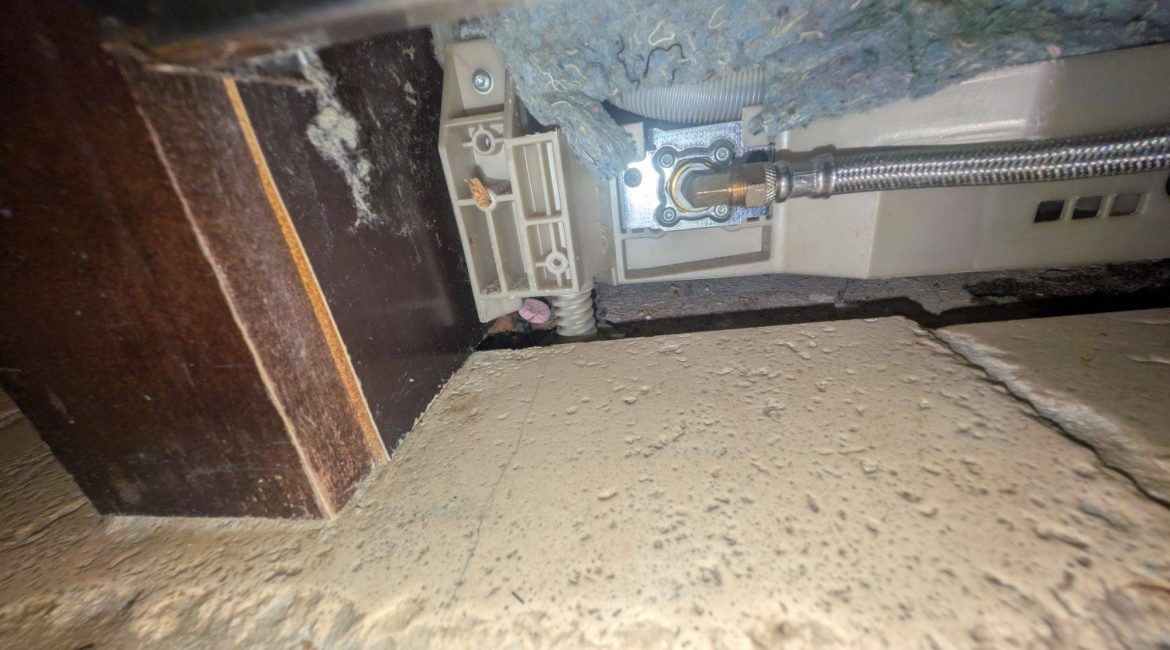
A GE dishwasher that operates with an unusually low water level may struggle to clean dishes effectively. Homeowners might notice food residue on plates, detergent remaining in the dispenser, or weak spray arm performance. In some cases, the dishwasher may run through an entire cycle without producing satisfactory results. These symptoms can indicate a restricted water inlet valve, insufficient household water pressure, or another problem affecting the appliance’s filling system.
Dishwashers require a specific amount of water to operate correctly. During the filling stage, water enters the appliance through an electrically controlled inlet valve. The control system regulates filling according to the dishwasher’s design, using programmed timing, sensors, or other monitoring components. Once enough water has entered, the circulation pump distributes it through the spray arms. If the dishwasher receives insufficient water, cleaning performance may deteriorate.
Modern GE dishwashers are designed to operate with relatively small amounts of water compared with older models. The water normally remains below the bottom of the door opening and may not cover the entire tub floor. Therefore, a shallow visible water level does not automatically indicate a malfunction. Homeowners should consider cleaning performance, unusual sounds, and diagnostic warnings before assuming that the appliance is underfilling.
A defective water inlet valve is one possible cause of insufficient filling. This component opens when the dishwasher requests water and closes when the required amount has entered. Over time, mineral deposits, sediment, and mechanical wear can interfere with its operation. If the valve fails to open completely, water may enter more slowly than expected, leaving the dishwasher with insufficient water during the washing stage.
Inlet valve problems can develop gradually. Homeowners may initially notice that dishes are less clean than usual or that the dishwasher makes unusual noises during circulation. As the restriction becomes more severe, filling may take longer, and the appliance may display an error or interrupt its program. A technician can test the valve’s electrical operation and water flow to determine whether replacement is necessary.
The inlet valve contains a screen designed to prevent debris from entering sensitive internal components. Sediment from household plumbing can accumulate around this screen and restrict water flow. Mineral deposits may also develop in areas with hard water. Because inlet valves are not always designed for internal cleaning or disassembly, technicians may recommend replacing the component when significant blockage or mechanical damage is present.
Low household water pressure can create similar symptoms. Dishwashers depend on an adequate supply of water from the home’s plumbing system. If the incoming pressure is below the manufacturer’s requirements, the appliance may not fill correctly within its programmed time. Pressure problems may result from partially closed supply valves, plumbing restrictions, or issues affecting the household water distribution system.
A partially closed dishwasher shutoff valve is a relatively simple problem that can restrict filling. This valve is commonly located beneath the kitchen sink and controls the water supply to the appliance. If it is not fully open, the dishwasher may receive less water than required. However, homeowners should avoid forcing a stuck or corroded valve, as damaged plumbing connections can cause leaks.
The water supply hose may also become kinked or obstructed. A sharply bent hose can restrict water movement, especially when the dishwasher has been pushed tightly against the surrounding cabinetry. In some installations, sediment may accumulate inside supply connections and reduce flow. Inspecting accessible plumbing for obvious restrictions can help identify potential causes without opening the appliance’s electrical components.
Other household fixtures may provide useful clues about water pressure problems. If faucets and other appliances also experience weak water flow, the issue may originate in the plumbing system rather than the dishwasher itself. However, normal faucet pressure does not completely rule out a localized restriction in the dishwasher supply line. Professional testing can determine whether adequate pressure and flow reach the inlet valve.
Float switches and water level monitoring components may also affect filling. Depending on the GE dishwasher model, a float mechanism or electronic sensor helps prevent excessive water accumulation. If a float becomes stuck in the raised position, the dishwasher may incorrectly detect an overfill condition and prevent additional water from entering. Debris, detergent residue, or mechanical damage can interfere with proper movement.
Electronic control problems are another possibility. The dishwasher’s control board coordinates the inlet valve, circulation pump, and other operating components. If the control system fails to activate the valve correctly, the appliance may receive insufficient water. Wiring damage or loose electrical connections can produce similar symptoms. These problems require appropriate diagnostic equipment to distinguish electrical faults from mechanical restrictions.
Water leakage can sometimes make the dishwasher appear to be underfilling. A damaged hose, loose connection, or defective seal may allow water to escape during operation. Some GE dishwashers have leak detection features that can interrupt normal filling when moisture is detected in an unintended location. Any visible leakage should be investigated promptly to prevent damage to flooring, cabinets, and electrical components.
Low water levels can also affect the circulation pump. When insufficient water reaches the pump, it may draw air into the circulation system, producing unusual sounds and reducing spray pressure. The spray arms may rotate poorly, leaving dishes with food residue or detergent deposits. Prolonged operation under these conditions can place unnecessary stress on circulation components.
Homeowners can begin troubleshooting by checking that the dishwasher’s water supply valve is open and that accessible hoses are not visibly kinked. It is also useful to observe whether the appliance fills normally and whether cleaning performance has changed. Avoid adding water manually or bypassing safety sensors, as incorrect water levels can create additional problems.
Professional GE dishwasher diagnostics may include measuring incoming water pressure, testing the inlet valve, inspecting supply connections, and evaluating float switches or electronic sensors. Technicians can also examine the circulation system to determine whether poor spray performance results from insufficient filling or another mechanical problem.
A GE dishwasher with a low water level may have a restricted inlet valve, insufficient water pressure, blocked supply connection, or malfunctioning fill control component. Oceanside Appliance Service Center provides professional GE dishwasher diagnostics and repair services, including water inlet valve replacement, filling system inspections, and troubleshooting of water supply problems. Contact Oceanside Appliance Service Center today to schedule professional GE dishwasher repair and restore dependable cleaning performance.
Contact us
(442) 291-2244
