


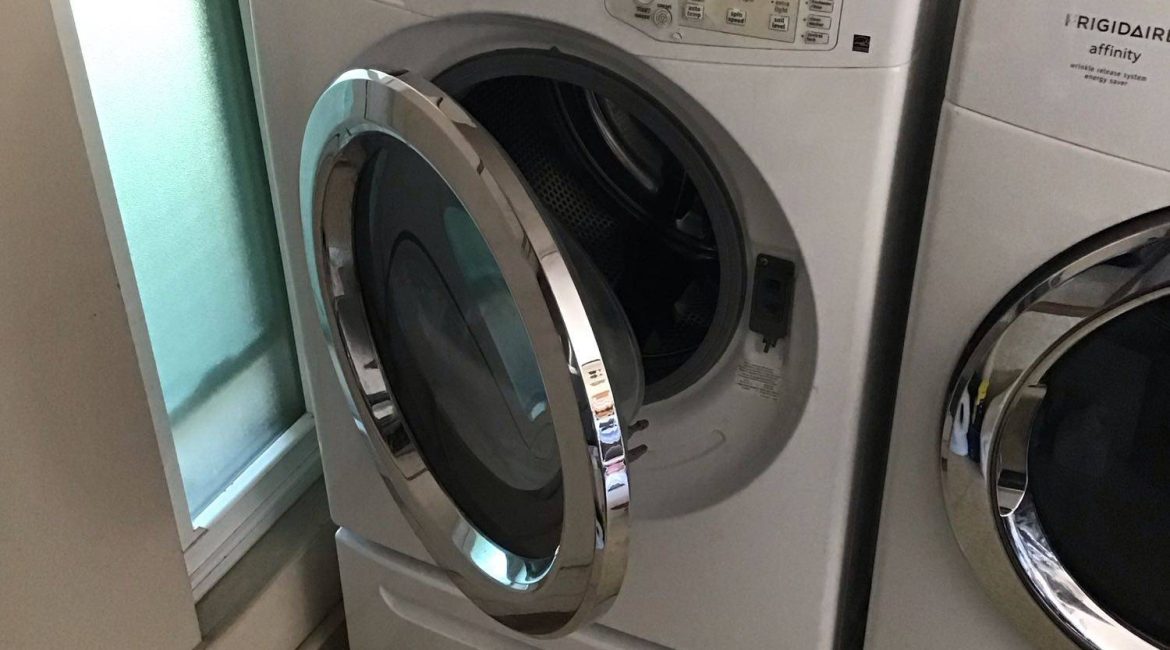
An LG washing machine that won’t drain after the wash cycle can leave clothes sitting in dirty water and prevent the washer from moving to the spin cycle. One of the most common causes is a problem with the drain pump, although a clogged filter, blocked hose, or electrical issue can produce similar symptoms. When the washer finishes washing but the water remains inside the drum, it is worth identifying the cause before running another cycle. Continuing to operate the appliance with a drainage problem can put additional strain on the pump and may eventually lead to water leakage.
How the Drain System Works
During the wash cycle, the washing machine holds water in the tub while the drum agitates or tumbles the clothes. When the wash portion is complete, the control system activates the drain pump. The pump removes water from the tub and pushes it through the drain hose into the household drain. After most of the water has been removed, the washer can proceed to spinning. If the pump cannot move the water efficiently, the appliance may stop the cycle, display an error code, or leave standing water inside the drum. The drain pump is an electric motor with an impeller designed to move water through the drainage system. A damaged motor, broken impeller, electrical failure, or obstruction can prevent the pump from operating correctly.
Signs of a Possible Drain Pump Failure
Several symptoms can point toward a failing drain pump in an LG washer. One common sign is standing water in the drum after the cycle ends. If the washer repeatedly leaves clothes submerged or partially submerged, the drainage system needs inspection. You may also hear an unusual sound when the washer should be draining. A humming noise without water movement can indicate that the pump motor is receiving power but the impeller is blocked or damaged. Clicking, grinding, or rattling sounds may also suggest a mechanical problem inside the pump. In some cases, the washer may remain stuck before the spin cycle. Since the machine needs to remove water before high-speed spinning, a drainage problem can prevent the appliance from completing the program. An LG washer may also display a drainage-related error code. The exact code depends on the model, so the owner’s manual should be checked for the correct interpretation.
Check the Drain Filter First
Before assuming that the pump itself has failed, check whether the drain filter is clogged. Small objects such as coins, hairpins, buttons, lint, and pieces of fabric can accumulate in the filter and restrict water flow. Many LG front-load washing machines have an accessible drain filter behind a small service panel near the bottom of the appliance. Place a shallow container and towels nearby because water may come out when the filter is opened. Turn the washer off and disconnect it from the power supply before inspecting the filter. Remove visible debris and rinse the filter thoroughly. If the filter is heavily blocked, cleaning it may restore normal drainage. However, a clean filter does not automatically rule out a pump problem. The pump, wiring, hose, and control system may still need to be tested.
Inspect the Drain Hose
A kinked or obstructed drain hose can create symptoms that look like pump failure. The hose should have a clear path for water to leave the washer. If it is bent sharply, crushed behind the appliance, or blocked by debris, the pump may not be able to discharge water properly. The household drain connection can also contribute to the problem. If the plumbing is clogged, water may back up instead of flowing away from the washer. This is why a proper diagnosis should consider the entire drainage system rather than replacing the pump immediately.
When the Drain Pump Needs Replacement
If the filter and hose are clear but the washer still cannot remove water, the drain pump may be defective. A technician can test whether the pump receives the appropriate electrical supply when the washer enters the drain portion of the cycle. If voltage is present but the pump motor does not operate correctly, the pump may need replacement. Mechanical damage is another reason for replacement. An impeller can become cracked, jammed, or worn over time. Even if the pump makes a noise, it may not generate enough pressure to move water through the hose. A professional diagnosis also helps determine whether the problem is actually caused by the pump or by another component, such as damaged wiring, a failed control board, or a blockage deeper in the drainage system.
Why Prompt Repair Matters
Leaving standing water inside a washing machine can create unpleasant odors and contribute to mold or residue buildup. Wet clothes can also develop a musty smell if they remain in the drum for too long. A malfunctioning pump can become worse with continued use. If the motor is struggling to operate or repeatedly overheating, additional damage may occur. If the washer stops draining, avoid repeatedly starting full wash cycles in an attempt to solve the problem. Remove the water safely according to the manufacturer’s instructions and arrange an inspection if basic filter and hose checks do not resolve the issue.
Professional LG Washer Repair in Oceanside
A drainage failure can have several possible causes, and replacing the wrong component can add unnecessary expense. A qualified appliance technician can inspect the drain filter, hose, pump, wiring, and related components to identify the actual source of the problem. If your LG washing machine won’t drain after the wash cycle, contact Oceanside Appliance Service Center for professional appliance repair. Schedule a service visit to diagnose the drainage problem and determine whether the drain pump or another component needs repair or replacement.
Contact us
