


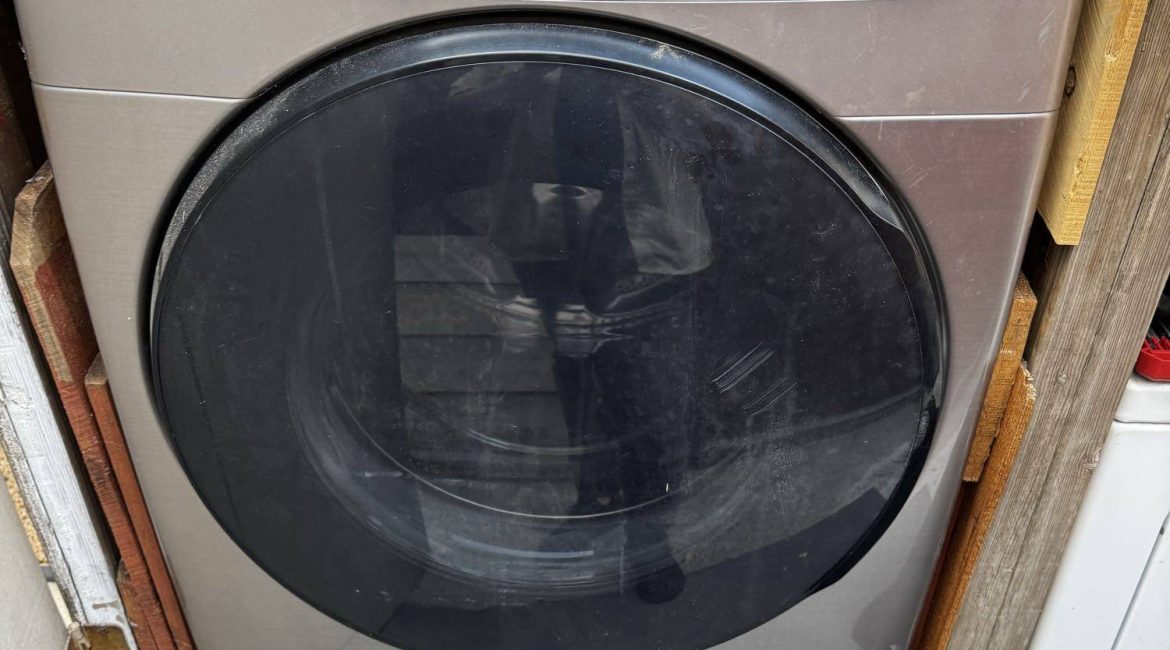
A washing machine should leave clothes clean and reasonably ready for drying or folding. When laundry comes out heavily wrinkled after the spin cycle, the issue is often linked to how the drum moves during washing and spinning. While fabric type and overloading can contribute, persistent wrinkling may point to developing mechanical or control-related problems inside the machine.
Many homeowners assume wrinkles are only caused by clothing materials or using the wrong cycle. In reality, uneven drum movement, unstable spin speeds, or balance system failures can affect how clothes shift during the final stages of washing. Instead of tumbling smoothly, garments may become twisted tightly together, compressed against the drum wall, or left sitting in partially drained water.
One common cause is inconsistent drum speed during spin. Modern washing machines rely on precise motor control to gradually increase rotation speed while distributing the laundry evenly. If the machine struggles to maintain stable RPM levels, clothes may bunch together in one area of the drum. This creates excessive pressure and friction between fabrics, leading to deep wrinkles and twisted garments.
A worn drive belt can contribute to this problem in some models. When the belt slips, the drum may accelerate unevenly or hesitate during high-speed spinning. The machine may still complete the cycle, but the clothing inside experiences jerky movement rather than balanced rotation. Over time, the issue often becomes more noticeable and may eventually affect washing performance altogether.
Another possible issue involves the suspension system. Washing machines use shock absorbers, suspension rods, or springs to stabilize the drum during spin cycles. When these components weaken, the drum can wobble excessively during operation. Even if the appliance does not visibly shake across the floor, internal imbalance may still occur. Clothes can gather heavily on one side of the drum, resulting in poor distribution and excessive wrinkling.
In front-load washers, damaged shock absorbers are particularly common after years of repeated high-speed spinning. The drum may tilt slightly during operation, causing laundry to compress unevenly. Some users also notice banging sounds, vibration, or repeated attempts by the machine to rebalance the load before spinning.
Top-load machines can develop similar symptoms when suspension rods wear out. Instead of stabilizing the tub smoothly, the assembly may bounce excessively during the spin cycle. This repeated shifting can trap clothing into tight bundles that emerge heavily creased at the end of the wash.
Drainage problems may also play a role. If water does not fully leave the drum before the final spin, clothes remain heavier than intended. Wet fabrics cling together more tightly, increasing wrinkles as the machine spins. Partial clogs in the drain pump, filter, or drain hose can reduce water flow enough to affect results without completely stopping the cycle.
Some washers attempt to compensate for imbalance automatically. If the control board detects unstable drum movement, it may reduce spin speed to protect internal components. While this prevents major damage, it can leave clothes wetter and more wrinkled because the final extraction process never reaches full efficiency.
Control board issues themselves are another possibility. The electronic control system regulates spin timing, motor speed, load sensing, and balance correction. When sensors or control circuits malfunction, the machine may use incorrect spin patterns or fail to detect uneven loads properly. Clothes can become tangled repeatedly because the washer no longer adjusts movement accurately.
Load sensing systems are especially important in modern high-efficiency machines. These systems determine how much water to use and how aggressively to spin the drum. Faulty readings may cause the washer to over-spin lightweight fabrics or under-balance heavier items such as towels and jeans mixed together.
Users sometimes mistake these symptoms for simple overloading. While overloaded drums absolutely increase wrinkling, recurring problems with normal-sized loads usually indicate a deeper mechanical issue. If wrinkles continue even after reducing load size and selecting gentler cycles, the machine itself likely requires inspection.
There are several warning signs that suggest the problem extends beyond fabric care settings:
- The washer repeatedly pauses before spin
- The drum bangs or shifts loudly
- Clothes come out twisted into tight knots
- Spin cycles seem weaker than before
- Laundry remains unusually damp
- The machine vibrates excessively during high-speed spin
- Cycles take longer because the washer keeps rebalancing
Ignoring these symptoms can eventually lead to more expensive repairs. Persistent imbalance places additional stress on bearings, suspension parts, motor mounts, and the drive system. A problem that initially causes wrinkles may later produce leaks, loud noise, or complete spin failure.
To reduce wrinkling temporarily, homeowners can separate heavy and lightweight fabrics, avoid tightly packing the drum, and remove laundry promptly after the cycle finishes. Choosing lower spin settings for delicate clothing may also help. However, these adjustments will not resolve worn mechanical components or failing control systems.
Professional diagnosis is often necessary because multiple systems influence drum balance and spin performance simultaneously. Technicians typically inspect suspension components, motor behavior, drive belts, drainage systems, and electronic controls to identify the root cause accurately.
Modern washing machines are designed to spin efficiently while protecting fabrics from excessive stress. When clothing suddenly starts coming out heavily wrinkled despite using normal settings, the machine is often signaling an internal imbalance problem that should not be ignored.
If your washer leaves clothes unusually wrinkled after every cycle, the experienced technicians at Oceanside Appliance Service Center can help identify the cause and restore proper performance. Professional service can prevent further damage, improve washing results, and extend the life of your appliance. Contact the service center today to schedule a diagnostic appointment.
Contact us
