


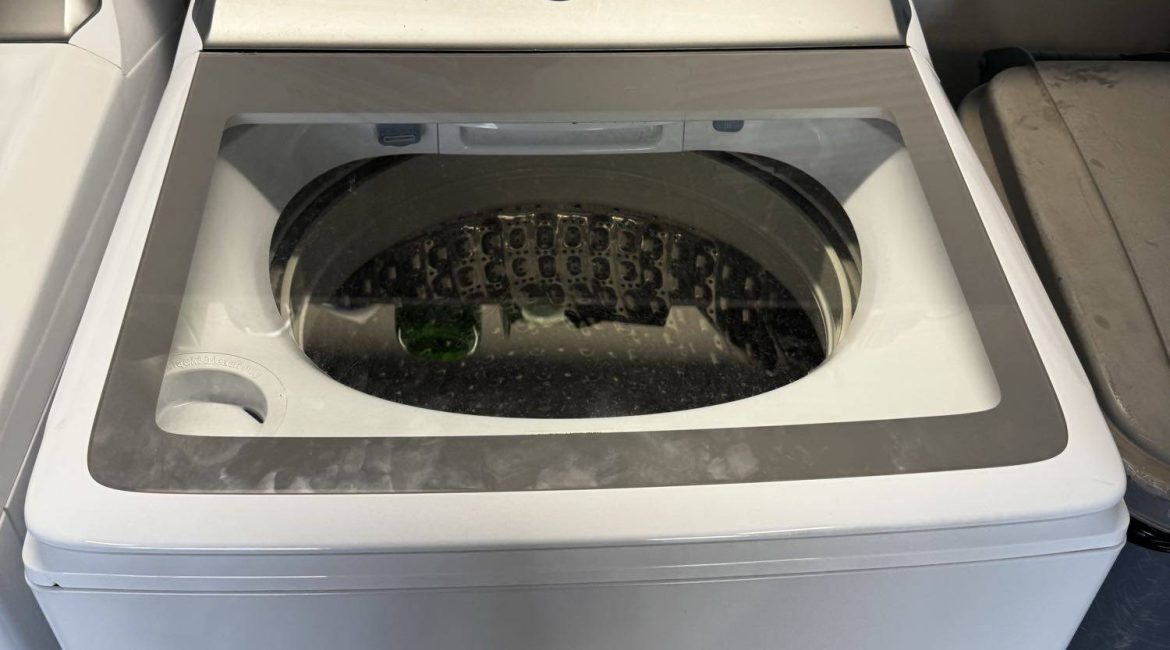
Pulling a fresh load of laundry out of the machine only to find it covered in a snowy layer of lint is a frustrating paradox. The appliance designed to clean your clothes has, instead, seemingly decorated them with debris. While it is easy to blame the detergent or the fabric itself, the culprit usually lies within the mechanical soul of the machine—specifically, issues with filtration systems or improper drum dynamics.
Understanding why this happens requires a look at how a modern washing machine manages particles during a cycle.
The Role of the Filtration System
The most common reason for lint redistribution is a failure in the filtration process. In older top-loading machines, lint was often caught by a physical mesh screen or a centerpiece agitator filter. Modern high-efficiency (HE) machines, however, often rely on a pump filter located at the bottom of the unit.
- The Clogged Pump Filter: Over time, the filter becomes a graveyard for coins, hair, button fragments, and heavy lint. When the filter is obstructed, the water cannot circulate or drain effectively. Instead of being flushed away, lint-heavy water remains in the drum, redepositing particles onto your fabrics during the rinse and spin cycles.
- Self-Cleaning Filter Failure: Some high-end models claim to have “self-cleaning” filters. However, if the internal macerator or the drain pump is weak, these systems fail to pulverize and remove lint.
- Residual Buildup: If the machine isn’t cleaned regularly with a dedicated descaler or a hot-water cycle, a biofilm of detergent scum and lint can form on the outer tub (the part you can’t see). This sludge eventually breaks off in small chunks, mimicking the appearance of grey lint.
Drum Action and Mechanical Friction
The physical movement of the drum is designed to lift and drop clothes to remove dirt. However, when the drum action is aggressive or poorly calibrated, it can actually create lint by damaging fabric fibers.
- Overloading the Drum: This is the leading cause of “lint-trapping.” When the drum is packed too tightly, clothes cannot tumble freely. Instead of being washed away, lint gets squeezed between layers of fabric. Furthermore, restricted water flow prevents the machine from effectively rinsing the lint out of the load.
- Worn Drum Paddles or Bearings: If the drum bearings are failing, the drum may tilt slightly or vibrate excessively. This creates uneven friction. Similarly, if the plastic lifters (paddles) inside the drum are cracked or have rough edges, they act like a cheese grater on your clothes, shedding fibers at an accelerated rate.
- The Agitator vs. The Fabric: In traditional top-loaders, the central agitator provides the “scrubbing” motion. If the agitator’s directional “dogs” (the small plastic gears that control its movement) are stripped, the motion becomes jerky and abrasive, tearing at delicate fibers and creating a localized lint storm.
The Science of Wash Cycles
Sometimes the issue is not a “broken” part, but a mismatch between the machine’s settings and the load.
- Water Levels: If you are using a manual water level setting that is too low for the load size, there isn’t enough volume to suspend the lint and carry it toward the drain.
- Temperature and Detergent: Cold water struggles to dissolve certain detergents and fabric softeners. This creates a “sticky” environment inside the drum where lint adheres to the clothes rather than flowing out with the wastewater.
- Cycle Selection: Using a heavy-duty cycle for delicate knits causes excessive fiber shedding. Conversely, using a “Quick Wash” for towels may not provide enough rinse time to clear the high volume of lint that towels naturally produce.
How to Prevent the “Lint Look”
Before calling in the experts, there are several maintenance steps you can take to mitigate the issue:
- Clean the Pump Filter: Locate the access door at the bottom front of your machine (for front-loaders) and clear the debris every 2–3 months.
- Separate Lint-Givers from Lint-Takers: Never wash towels (lint-givers) with corduroy or synthetic gym wear (lint-takers).
- Use a Washing Machine Cleaner: Run a monthly maintenance cycle with a specialized cleaner to dissolve the hidden buildup behind the drum.
- Check Your Pockets: Tissues left in pockets are the primary source of “fake lint.” One shredded tissue can ruin an entire load of dark clothing.
Professional Intervention
If you have cleaned your filters, adjusted your load sizes, and performed maintenance cycles but the lint persists, the problem is likely internal. It could be a failing drain pump, a torn tub seal, or a malfunctioning sensor that is preventing the machine from performing a full rinse.
Do not let a failing filtration system ruin your wardrobe. If your washing machine is underperforming, it is time for a professional diagnostic.
Order services from Oceanside Appliance Service Center today. Our expert technicians specialize in deep-system cleaning and mechanical repairs to ensure your clothes come out spotless, every time.
Contact us
