


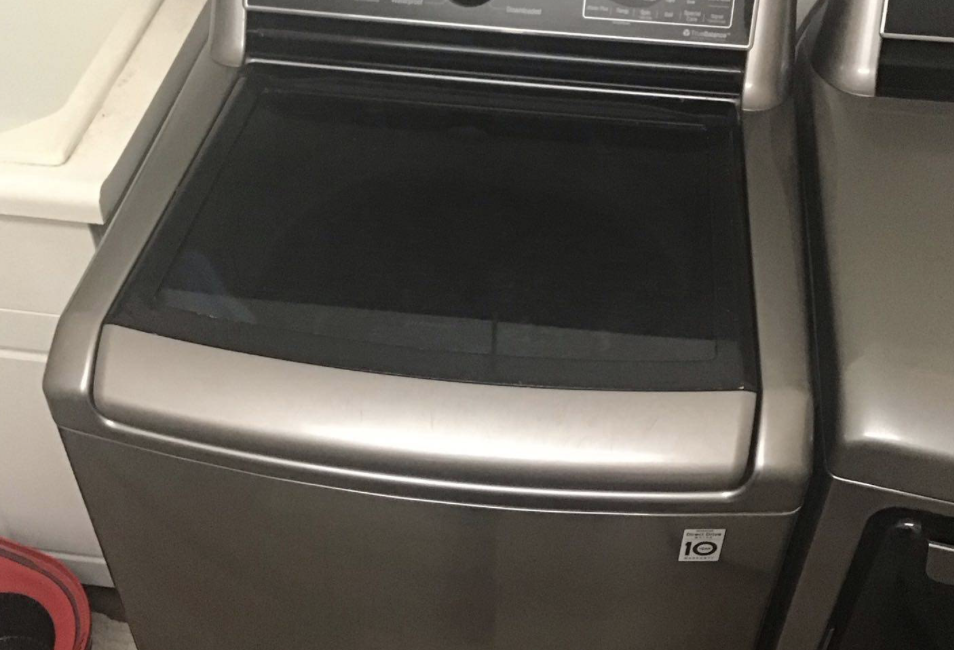
A Whirlpool washing machine that leaves detergent sitting in the dispenser can prevent laundry from getting properly cleaned. You may notice that the detergent compartment remains full after a cycle, detergent appears clumped or diluted, or clothes come out with stains and odors. Several problems can cause this issue, including a clogged dispenser, restricted water flow, a faulty water inlet valve, or a problem with the washer’s internal water distribution system. Understanding the possible causes can help you determine whether a simple cleaning is enough or whether professional appliance repair is needed.
Clogged or Dirty Detergent Dispenser
One of the most common reasons a Whirlpool washer does not dispense detergent is buildup inside the dispenser. Liquid detergent, powdered detergent, fabric softener, and mineral deposits from hard water can accumulate over time. When the dispenser becomes clogged, water may not flow through the compartment correctly. Instead of carrying detergent into the washer drum, water can remain trapped in the dispenser or flow too slowly. Remove the dispenser drawer if your model allows it and inspect it for residue. Wash removable components with warm water and carefully clean the openings where water enters. Avoid using sharp objects that could damage plastic channels. If the dispenser becomes clogged repeatedly despite regular cleaning, there may be another problem affecting water flow.
Water Inlet Valve Problems
The water inlet valve controls the flow of hot and cold water into the washing machine. Depending on the cycle and model, water is directed through specific dispenser compartments before entering the tub. A defective inlet valve may fail to open properly, provide weak water flow, or have an electrically failed solenoid. When this happens, there may not be enough water pressure to flush detergent from the dispenser. A washer with an inlet valve problem can also show other symptoms. Water may enter the machine slowly, the cycle may take longer than usual, or one temperature setting may produce noticeably less water than the other. Testing the valve requires electrical and mechanical checks. Because the washer contains both electrical connections and pressurized water lines, professional diagnosis is preferable when the valve is suspected.
Low Water Pressure
Insufficient household water pressure can also affect detergent dispensing. The washing machine relies on adequate water flow to rinse detergent from the dispenser and move it into the tub. Check that the household water supply valves connected to the washer are fully open. A partially closed valve or restricted supply hose can reduce water flow. The inlet hoses should also be inspected for kinks, crushing, or internal restrictions. If water pressure throughout the home is low, the washing machine may not be the only appliance affected.
Blocked Water Inlet Screens
Whirlpool washing machines commonly have small filter screens near the water inlet valve. These screens help prevent debris from entering the valve. Over time, sediment, rust, or mineral particles can accumulate on the screens and restrict water flow. Even if the inlet valve itself is functioning, restricted screens can reduce the amount of water reaching the dispenser. Cleaning these components requires shutting off the water supply and disconnecting the hoses. If you are not comfortable accessing the valve or inlet connections, an appliance technician can inspect the system safely.
Dispenser Assembly Failure
Sometimes the dispenser itself is damaged rather than simply clogged. Plastic components can crack, internal channels can become warped, or mechanical parts can stop directing water correctly. Some Whirlpool models use dispenser mechanisms that depend on specific water paths or actuators. If one of these components fails, detergent may remain in the compartment even when the washer fills normally. A technician can inspect the dispenser assembly and determine whether cleaning, adjustment, or replacement is appropriate.
Control System Issues
Modern Whirlpool washing machines use electronic controls to determine when and where water should flow during the wash cycle. If the control board does not send the correct signal to the inlet valve or related components, the dispenser may not receive water at the proper time.A control problem is less common than a clogged dispenser or restricted water supply, so it should generally be investigated after simpler causes have been ruled out. Error codes, unusual cycle behavior, or several functions failing at the same time can provide useful clues that an electronic component may be involved.
What You Should Check First
Before scheduling service, you can perform a few basic checks. Make sure the dispenser is clean and properly installed. Confirm that the washer’s water supply valves are fully open and that the inlet hoses are not kinked. Also check whether the washer fills with water normally during a cycle. If water enters slowly or appears to come from only one side of the dispenser, this information can help identify a water supply or inlet valve problem. Avoid repeatedly running full cycles with detergent trapped in the dispenser. Detergent residue can harden and make the blockage worse.
When Professional Repair Is Necessary
If cleaning the dispenser and checking the water supply do not solve the problem, the washer may require component testing. A technician can inspect the dispenser, inlet valve, hoses, inlet screens, wiring, and control system to identify the actual cause. Replacing parts without proper diagnosis can be expensive and may not correct the problem. Professional troubleshooting helps determine which component has failed and whether repair is practical. If your Whirlpool washing machine won’t dispense detergent, contact Oceanside Appliance Service Center for professional appliance repair. A trained technician can diagnose the dispenser or water valve problem and restore proper detergent dispensing. Schedule service with Oceanside Appliance Service Center and get your Whirlpool washer checked before the issue affects washing performance further.
Contact us
