


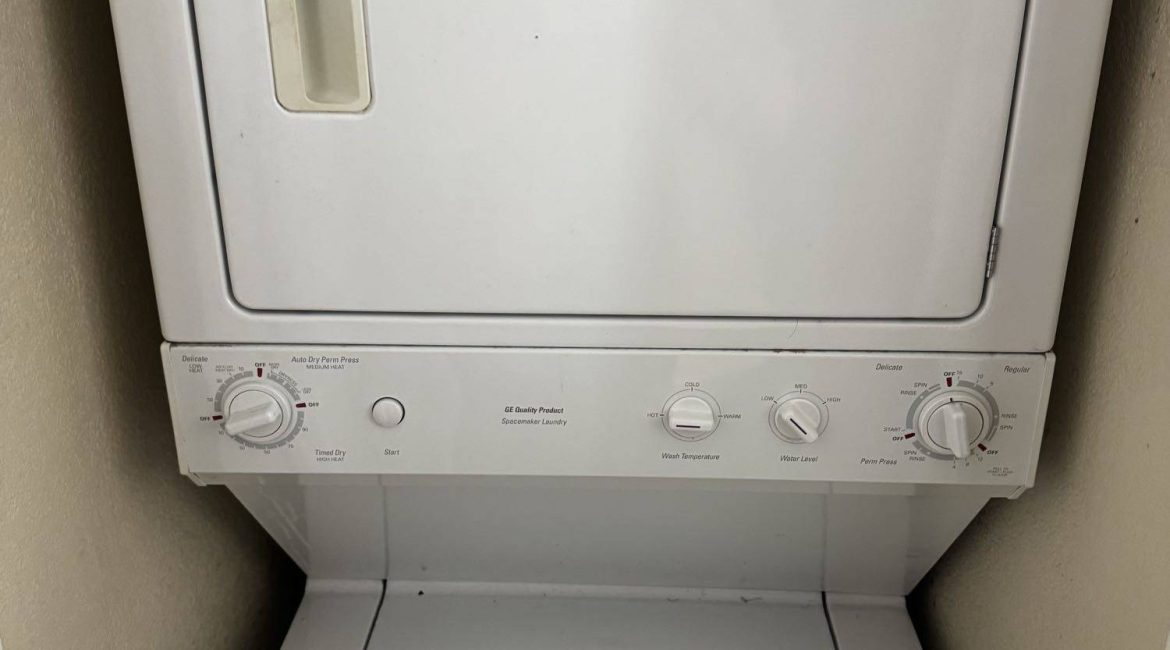
A washing machine is designed to operate with steady, predictable sounds: a soft hum, water movement, and occasional switching noises between cycles. When a low grinding sound appears during the wash cycle, it usually signals mechanical friction or early-stage wear inside the appliance. Ignoring it can lead to larger failures, so understanding the possible causes helps prevent costly repairs.
What the grinding noise can indicate
A grinding sound is rarely random. It typically comes from two surfaces or components that are no longer moving smoothly against each other. In a washing machine, several parts rotate, spin, or shift under load, and even slight wear can create noticeable noise.
One of the most common sources is the drum system. The drum rotates continuously during washing, supported by bearings and a drive mechanism. If these bearings begin to wear out, they lose their smooth rotation. Instead of gliding quietly, the metal components begin to rub, creating a low grinding or scraping sound that gradually becomes more noticeable over time.
Another frequent cause is foreign objects trapped between the drum and the outer tub. Small items like coins, buttons, or debris from clothing pockets can get lodged in narrow spaces. During rotation, these objects move slightly and create repetitive grinding sounds. Even though the machine may still function, the noise indicates something is interfering with normal movement.
Drum bearings and mechanical wear
Drum bearings are among the most important components inside a washing machine. They support the weight of the drum and allow it to spin smoothly at different speeds. Over time, constant exposure to water, detergent, and vibration can degrade the seals protecting these bearings.
Once moisture reaches the bearings, corrosion begins. This leads to increased friction, which is often heard as a low grinding or rumbling sound during the wash or spin cycle. In early stages, the noise may be subtle and intermittent. As wear progresses, it becomes constant and louder, especially during high-speed spinning.
If the bearings are the issue, continued use of the machine can accelerate damage to the drum shaft and surrounding components. This turns a repairable issue into a more expensive replacement scenario.
Drive system issues
Modern washing machines use either belt-driven or direct-drive systems. In belt-driven models, a rubber belt connects the motor to the drum. If this belt becomes loose, frayed, or partially worn, it may slip slightly during operation. This slipping can create a soft grinding or rubbing sound, especially when the drum changes speed or load distribution shifts.
In direct-drive systems, the motor is connected directly to the drum. Here, wear can occur in the motor coupling or internal rotor components. While these systems have fewer moving parts, they are not immune to mechanical degradation. Any imbalance or wear in the connection points can produce unusual sounds that resemble grinding or dragging.
Pump and drainage components
Although the grinding noise is most often associated with the drum, the drain pump can also be a source. During certain stages of the wash cycle, the pump activates to remove water. If debris enters the pump housing, it may cause the impeller to struggle as it rotates.
This results in a low mechanical grinding or rattling sound. In many cases, the noise appears only during draining, which helps narrow down the source. However, if left unchecked, a blocked pump can eventually stop working altogether, leading to drainage issues and cycle interruptions.
Detergent buildup and internal friction
Over time, detergent residue and fabric softener can accumulate inside the machine. This buildup affects moving parts by increasing resistance and disrupting smooth water flow. In some cases, thick residue can create friction points around seals and rotating components.
While this does not usually cause severe grinding on its own, it can contribute to a general increase in mechanical strain, making existing wear more noticeable.
Why early diagnosis matters
A low grinding noise is often an early warning sign. At this stage, the machine may still complete cycles normally, which leads many users to ignore it. However, internal wear rarely improves on its own.
If the issue is related to bearings or drive components, continued operation increases stress on the motor and drum assembly. What starts as a minor repair can develop into full drum or motor replacement if delayed.
Listening to changes in sound is one of the simplest ways to monitor appliance health. A washing machine that becomes gradually louder or develops new mechanical tones is signaling internal changes that should be inspected.
When to involve a technician
While small issues like trapped objects can sometimes be checked at home, most sources of grinding noise require technical inspection. Bearings, drive systems, and pumps involve sealed or complex assemblies that are not designed for user-level repair.
A professional diagnosis helps identify whether the issue is minor wear or a developing mechanical failure. Early intervention not only restores normal operation but also prevents further internal damage.
For reliable inspection and repair, it is advisable to contact a qualified service provider. Oceanside Appliance Service Center offers diagnostic and repair services for washing machines experiencing unusual noise, mechanical wear, or cycle disruptions. Their technicians can identify the source of grinding sounds and restore proper operation before the problem escalates.
Contact us
