


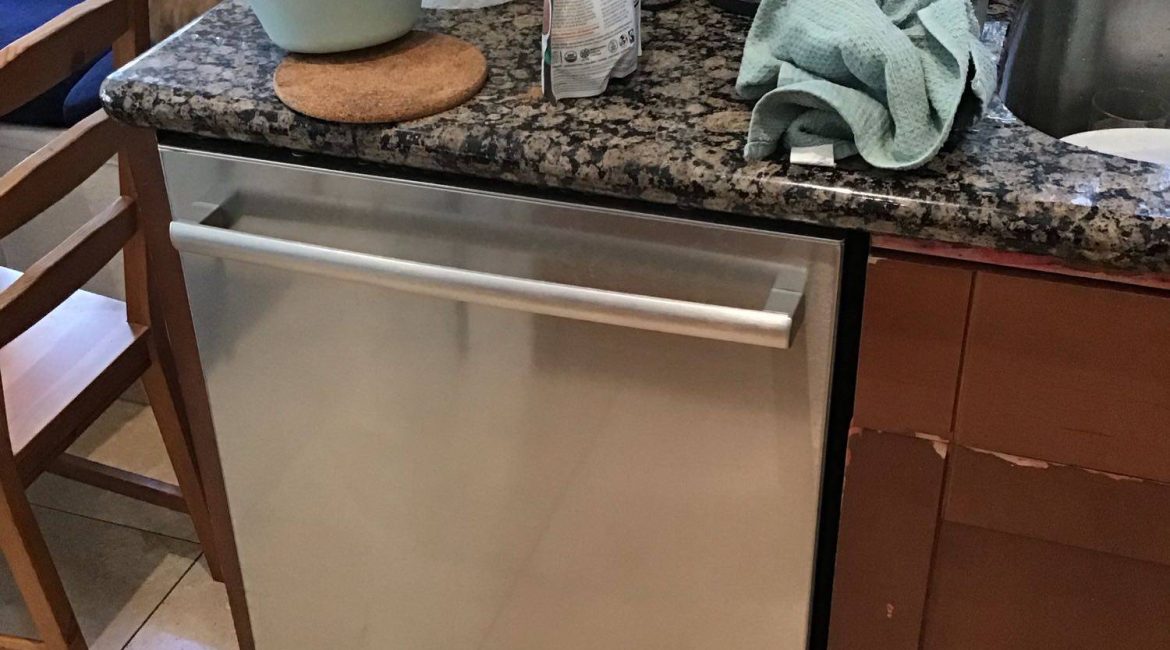
A Bosch dishwasher is designed to complete each wash cycle within a predictable period based on the selected program, water temperature, soil level, and operating conditions. If a cycle suddenly takes much longer than usual, the dishwasher may be compensating for a heating problem or struggling to reach the required water temperature.
Long cycle times can be easy to ignore because the dishwasher may still appear to be working. However, extended operation can indicate a problem with the heating element, temperature sensor, water supply, control system, or another component involved in the heating process. Finding the cause early can help prevent additional wear and more expensive repairs.
Why a Bosch Dishwasher May Take Too Long
Modern Bosch dishwashers monitor water temperature throughout the cycle. The control system may delay certain stages until the water reaches a specific temperature. If the dishwasher cannot heat the water as expected, the cycle can continue for much longer than normal.
One of the most common causes is a problem with the heating element. The heating element is responsible for raising the water temperature during washing and helping heat the interior during drying. If the element is damaged, covered with heavy mineral buildup, or has an electrical problem, the dishwasher may struggle to reach the required temperature.
A faulty temperature sensor can create a similar symptom. The sensor monitors water temperature and sends information to the control board. If the sensor provides inaccurate readings, the dishwasher may incorrectly determine that the water is not hot enough and continue heating or extend the cycle.
Possible Heating Element Problems
The heating element can deteriorate over time, particularly in areas with hard water. Mineral deposits may accumulate on components and reduce heating efficiency. An element with an electrical fault may also fail to produce sufficient heat.
Signs of a possible heating element issue include unusually long wash cycles, dishes that remain wet after the cycle, poor cleaning performance, and water that does not become adequately hot.
A dishwasher that takes longer than normal does not automatically mean the heating element has failed. Other components can produce similar symptoms, so testing is necessary before replacing parts.
A technician can inspect the heating circuit, check electrical connections, test resistance, and determine whether the element is receiving the correct voltage. If the component has failed, replacement may restore normal heating and cycle times.
Temperature Sensor Problems
The temperature sensor plays an important role in controlling the dishwasher’s heating process. It measures the water temperature and communicates that information to the electronic control system.
When the sensor becomes defective, the dishwasher may receive incorrect temperature information. It could believe the water is colder than it actually is and continue the heating stage longer than necessary. In other cases, the dishwasher may not heat properly because the control system is receiving an incorrect reading.
A sensor problem can be difficult to identify without testing. Simply replacing the heating element may not solve the issue if the actual fault is related to temperature measurement.
A professional technician can test the sensor and compare its readings with the expected values for the appliance. Wiring and connections should also be inspected because a damaged wire or loose connection can create symptoms similar to a failed sensor.
Other Causes of Extended Dishwasher Cycles
Heating components are important, but they are not the only possible causes of long cycles.
A dishwasher may take longer if it is not receiving enough water. A restricted inlet valve, clogged filter, or water supply problem can affect the amount of water entering the appliance. Drainage problems can also interfere with normal operation if dirty water cannot leave the dishwasher efficiently.
A dirty filter can reduce cleaning performance and contribute to longer or less effective cycles. Excessive detergent, incorrect detergent use, or heavy food debris may also affect how well the dishwasher operates.
In some situations, the electronic control board may be involved. The control board coordinates heating, filling, draining, circulation, and other stages of the cycle. A fault in the control system can cause unusual timing or prevent the dishwasher from progressing normally.
What You Can Check Yourself
Before scheduling a repair, check whether the dishwasher’s filter is clean and make sure the water supply valve is fully open. You can also confirm that the selected wash program is not one designed to run for an extended period.
Pay attention to other symptoms. If dishes are coming out cold or wet, the heating system deserves closer attention. If the dishwasher fills slowly, does not drain properly, or displays an error code, mention these details to the technician.
Avoid repeatedly running long cycles in an attempt to determine whether the problem will correct itself. If a heating component is malfunctioning, continued operation may place additional strain on electrical and mechanical components.
When Professional Repair Is Recommended
If your Bosch dishwasher consistently takes much longer than expected, professional diagnosis can help identify the actual cause instead of replacing parts unnecessarily.
A technician can inspect the heating element, temperature sensor, wiring, water inlet system, filters, circulation system, drain components, and control board. Proper testing is especially important because several different failures can produce similar symptoms.
Restoring the correct heating temperature can improve cleaning and drying performance while helping the dishwasher return to a normal operating cycle.
If your Bosch dishwasher is taking too long to complete a cycle, contact Oceanside Appliance Service Center for professional appliance repair.
Contact us:
(442) 291-2244
[email protected]
